
Coral Reefs

Coral Reefs: Biodiversity Hotspots

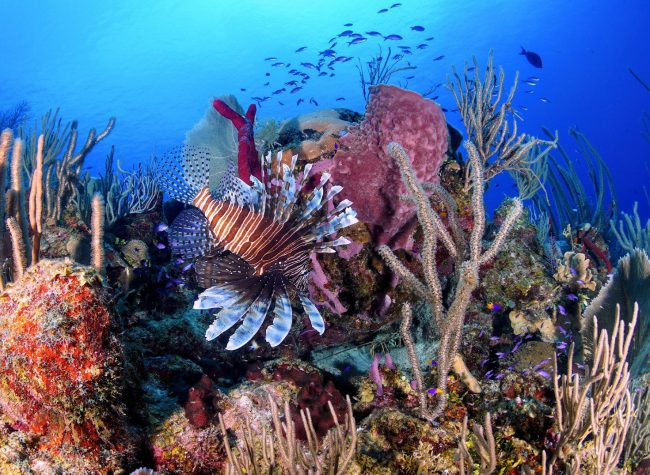
Coral reefs are among the most diverse and valuable marine ecosystems on Earth. Often called the “rainforests of the sea,” they cover less than 1% of the ocean floor yet support around 25% of all marine species, from fish and sea turtles to mollusks, sponges, and microscopic life. Despite their relatively small size, coral reefs provide essential ecosystem services:

Protecting coastlines from storm damage and erosion

Sustaining fisheries and food webs

Driving coastal tourism and economies

Offering compounds for potential medical breakthroughs

Acting as indicators of ocean health amid climate change
Why Coral Reefs Matter for People and the Planet?

co2

Key Benefits of Coral Reefs:

  • Food Security: Reefs support fisheries that feed over 500 million people, especially in coastal and developing regions.
  • Storm Protection: Reefs absorb up to 97% of wave energy, buffering coastal communities from hurricanes and erosion.
  • Economic Value: Globally, reefs contribute $2.7 trillion annually through tourism, fishing, and ecosystem services.
  • Cultural Significance: For many Indigenous and coastal communities, reefs hold deep spiritual and ancestral value, guiding traditional practices and marine stewardship. In Pacific Island cultures, coral reefs are often viewed as living relatives.

How do Coral Reefs Form?

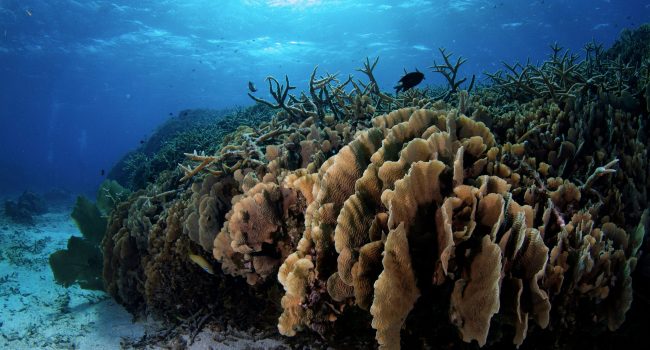
Coral reefs are built by tiny colonial animals known as coral polyps, relatives of jellyfish and sea anemones. These polyps secrete calcium carbonate to create hard skeletons. Over time, layer upon layer forms vast reef structures, some of which are visible from space.

Types of Coral Reefs:

  • Fringing Reefs: Grow close to shorelines of islands or continents
  • Barrier Reefs: Develop further offshore, separated by a lagoon
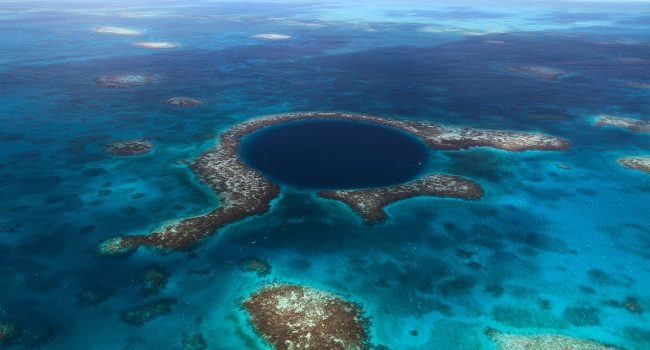
  • Atolls: Circular reefs that form when volcanic islands subside completely, leaving a ring-shaped structure enclosing a lagoon


This reef-building process can span
centuries, creating habitats for thousands of marine species.

co1

Coral reefs are foundational to ocean biodiversity and the well-being of millions of people worldwide. Their intricate limestone structures form natural underwater cities, offering shelter and spawning grounds for countless species, many of which are endemic, found nowhere else on Earth.

Coral Reef Formation in Action

CC Rachel Graham

Belize’s Coral Reefs: A Conservation Hotspot

Belize hosts three of the four true atolls in the Western Hemisphere:

  • Turneffe Atoll
  • Lighthouse Reef Atoll
  • Glover’s Reef Atoll


These atolls are part of the Mesoamerican Barrier Reef System, the second-largest barrier reef in the world. Their remote and relatively undisturbed nature makes them ideal for marine research, reef conservation, and they are home to many endangered marine species.

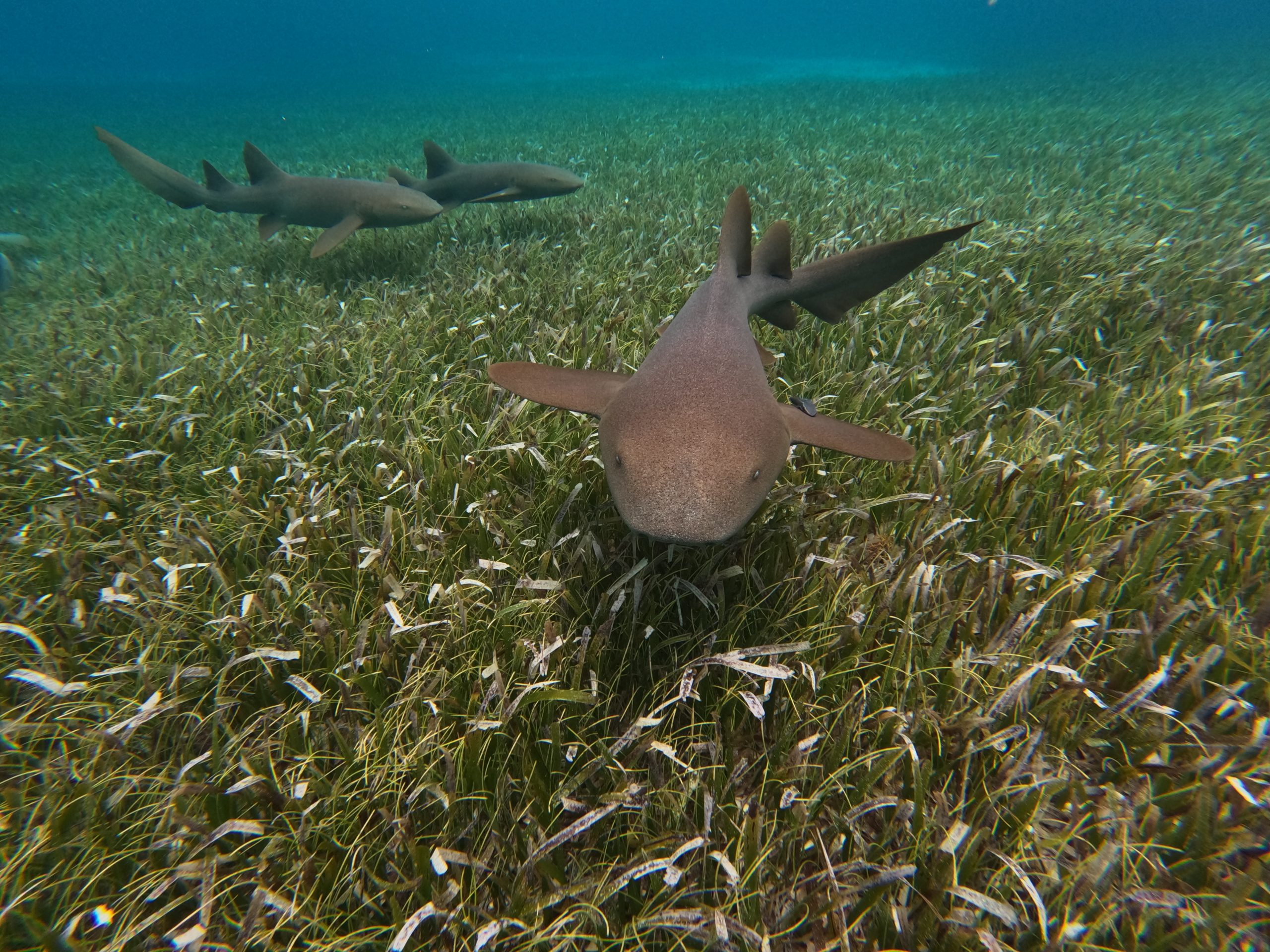
These ecosystems are home to:

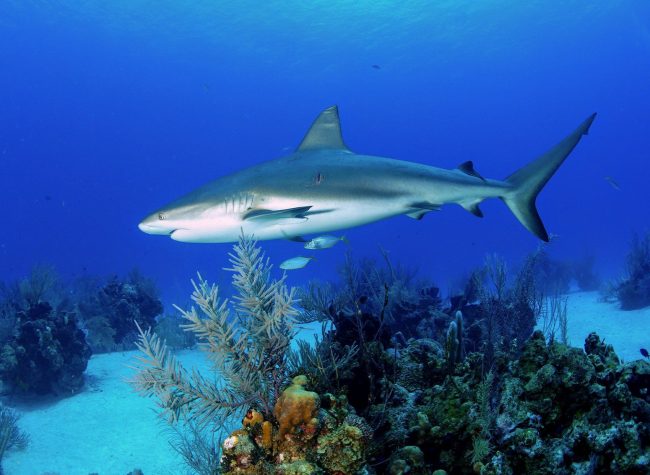
  • Sharks and rays
  • Sea turtles
  • Groupers and snappers
  • Rare and endemic invertebrates
Reef in Honduras_credit Rachel Graham

Reef Diversity Beyond Belize

The Mesoamerican Barrier Reef also stretches north to Mexico’s Caribbean coast, where reef systems off Quintana Roo, including those in Cozumel and the Sian Ka’an Biosphere Reserve, support rich biodiversity and fuel eco-tourism.

To the south, Honduras boasts key reef habitats around the Bay Islands, such as Roatán and Utila. These reefs are vital spawning grounds for fish and are focal points for sustainable diving and community-led conservation.

Together, the reefs of Belize, Mexico, and Honduras form a connected ecological corridor essential for regional marine biodiversity and resilience.

Coral Reefs and Climate Change: A Fragile Future

Coral reefs are sensitive to:

  • Rising sea temperatures
  • Ocean acidification
  • Pollution and sedimentation
  • Overfishing and coastal development


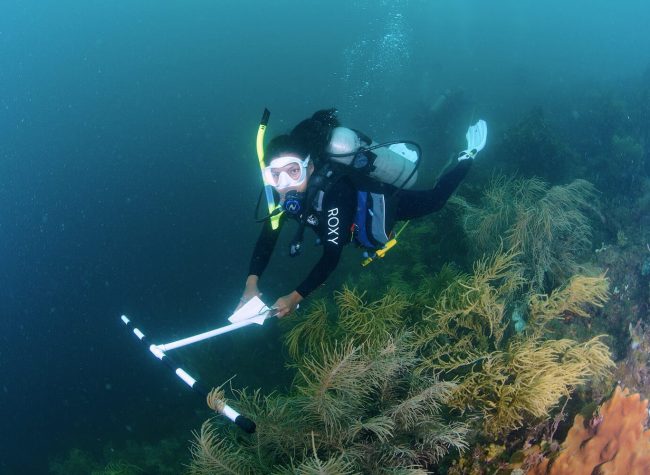
These stressors can lead to coral bleaching, disease outbreaks, and loss of biodiversity. Monitoring reefs helps detect early warning signs of ecosystem stress and informs efforts to mitigate climate change impacts on the ocean.

Corals CC Rachel Graham_MarAlliance 2

Other Ecosystems

Join the Effort to Protect Coral Reefs

Supporting coral reef conservation ensures a healthier ocean and a more sustainable future for both people and wildlife. Whether through research, education, or community action, every effort helps preserve these vibrant underwater worlds.

A Day in the Field with MarAlliance

Experience Marine Conservation in Action

Almost everyone dreams of being a marine biologist as a kid — few know what the job really looks like.