Mangroves
Discover Nature’s Coastal Guardians
Mangroves are salt-tolerant trees and shrubs that grow along tropical and subtropical coastlines in more than 120 countries. These resilient plants thrive in harsh environments, where seawater, low oxygen, and shifting tides make life nearly impossible for most vegetation. Yet mangrove forests flourish thanks to specialized adaptations, such as: Salt-filtering roots, Salt-excreting leaves and Pneumatophores (breathing roots)
Why Are Mangroves Important?
1. Vital Nurseries for Marine Life
Mangroves provide safe havens for a wide variety of ocean creatures. Their dense, tangled root systems offer shelter to juvenile fish like snook, tarpon, and barracuda, protecting them from larger predators.
- Over one-third of marine fish species rely on mangroves during their life cycle
- Support populations of crabs, shrimp, mollusks, and more
- Feeding grounds for wading birds and other coastal wildlife.
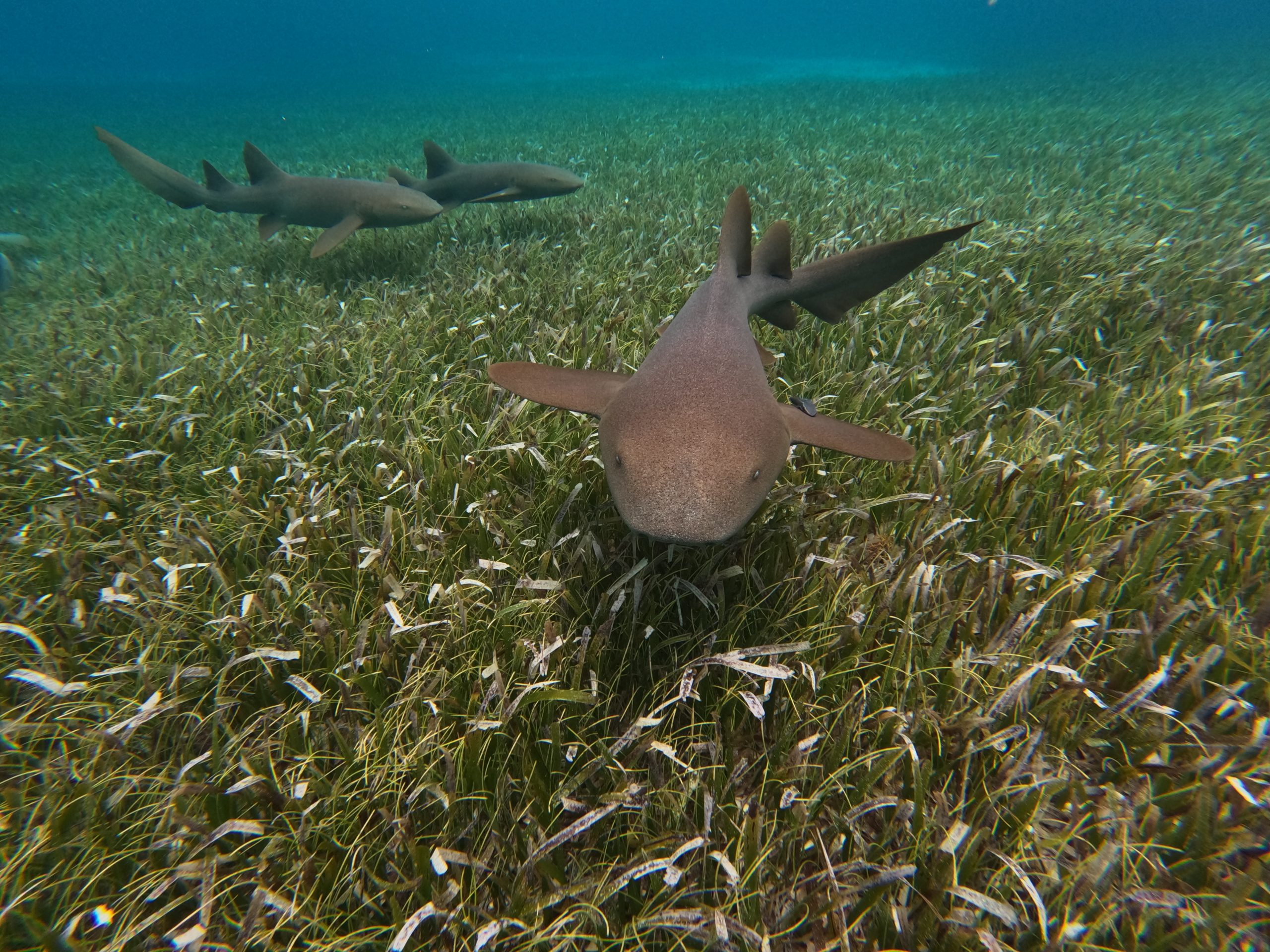
Mangroves are also deeply interconnected with coral reefs and seagrass beds, forming a network of habitats that promote marine biodiversity and help sustain local fisheries.
2. Natural Protection for Coastlines
Mangrove ecosystems are some of the most effective natural defenses against coastal erosion and storm surges:
- Their roots absorb wave energy and slow down incoming tides
- Reduce the impact of hurricanes, cyclones, and tsunamis
- Help stabilize shorelines by trapping sediment
Studies show that communities with intact mangrove forests experience less damage during extreme weather events, such as the 2004 Indian Ocean tsunami.
3. Climate Resilience and Carbon Storage
Mangroves are powerful allies in the fight against climate change:
- Act as carbon sinks, storing up to four times more carbon than tropical rainforests
- Help mitigate sea level rise
- Protect communities from the long-term impacts of climate variability
Panama is home to over 165,000 hectares of mangroves - the largest in Central America - and supports 12 of the 65 mangrove species found worldwide, making it a hotspot for unique biodiversity.
How Do Mangroves Reproduce?
One of the most fascinating mangrove adaptations is their unique method of reproduction: vivipary.
- Seeds begin to germinate while still attached to the parent tree
- These seedlings, called propagules, fall into the water and float with the tides
- Once they reach suitable coastal sediment, they anchor and grow into new trees.
This process allows mangroves to colonize new shorelines and expand their habitats, ensuring their survival and the many benefits they provide.
Why We Must Protect Mangrove Forests?
Mangroves are far more than trees; they are lifelines for marine ecosystems, coastal communities, and climate stability. Protecting and restoring mangrove forests is critical for:
- Preserving biodiversity
- Supporting sustainable fisheries
- Reducing coastal risk
- Combating climate change
By understanding the value of mangroves, we can take meaningful action to conserve these irreplaceable coastal ecosystems.