Sharks and rays are facing unprecedented threats from overfishing, bycatch, and the global trade in fins, meat, liver oil, and other marine products. At the 20th Conference of the Parties for the Convention for the International Trade for Endangered Species of Fauna and Flora (CITES CoP20) taking place in Samarkand, Uzbekistan, governments of 185 countries took historic action to strengthen protections for these species threatened with extinction. They adopted the uplisting of species such as the oceanic whitetip and whale sharks to Appendix I and expanding Appendix II coverage for other threatened sharks and rays such as gulper and smooth-hound sharks. Appendix I essentially bans international trade of the listed species, while Appendix II requires exporting countries to monitor and regulate listed species, demonstrating that exports will not impact populations. These decisions provide a critical legal framework to regulate international trade, close enforcement loopholes, and guide global conservation efforts.
Although the listing for all seven species or groups of species was adopted this week, they face a final hurdle in next week’s plenary.
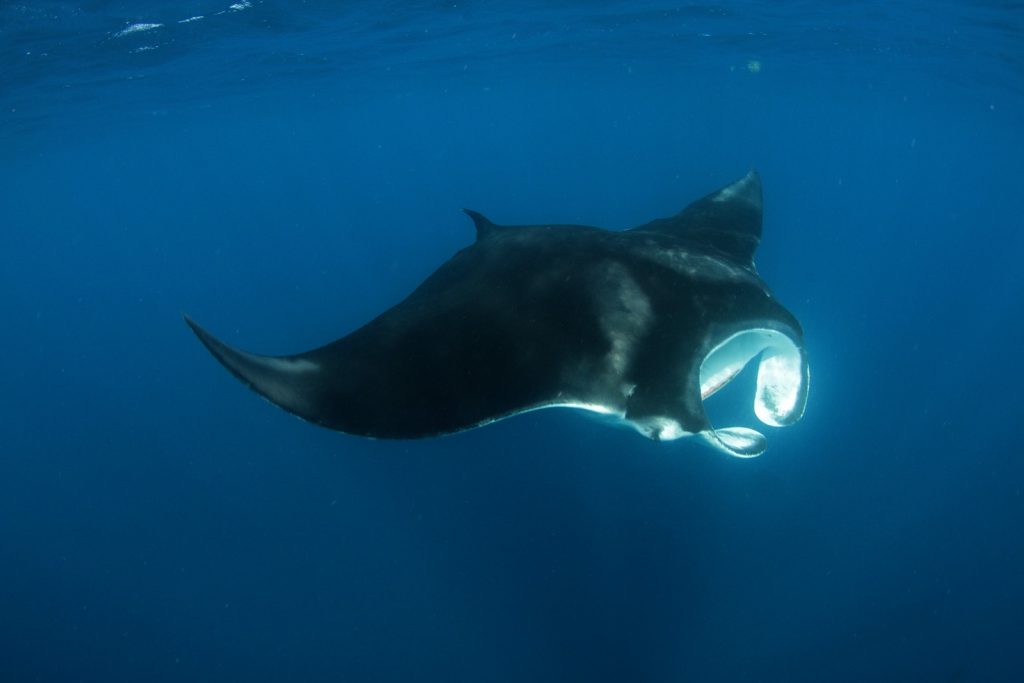
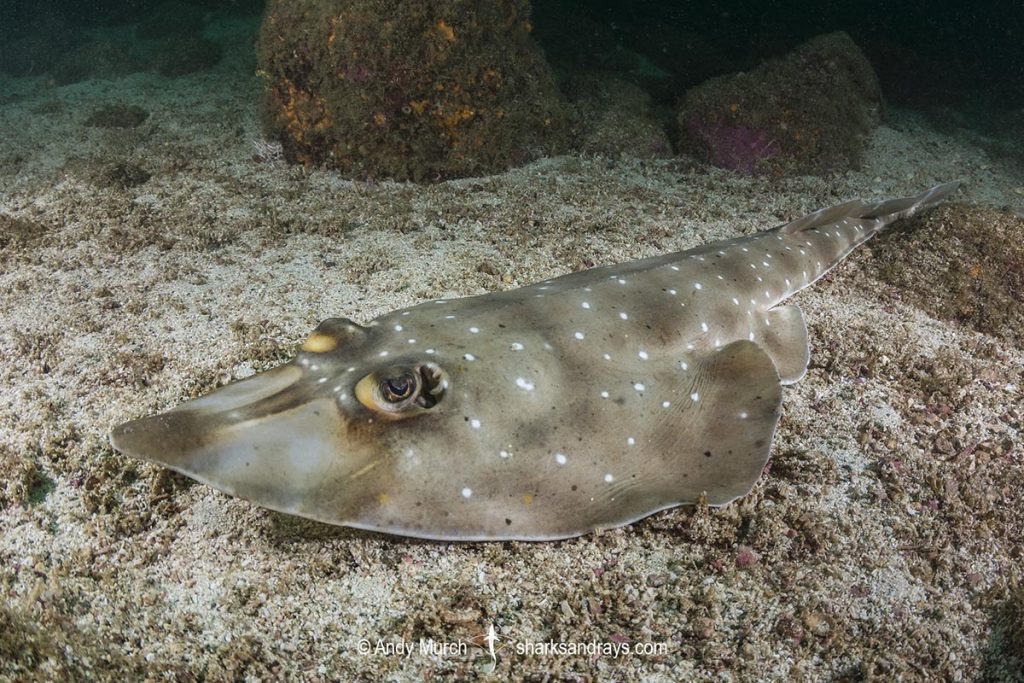
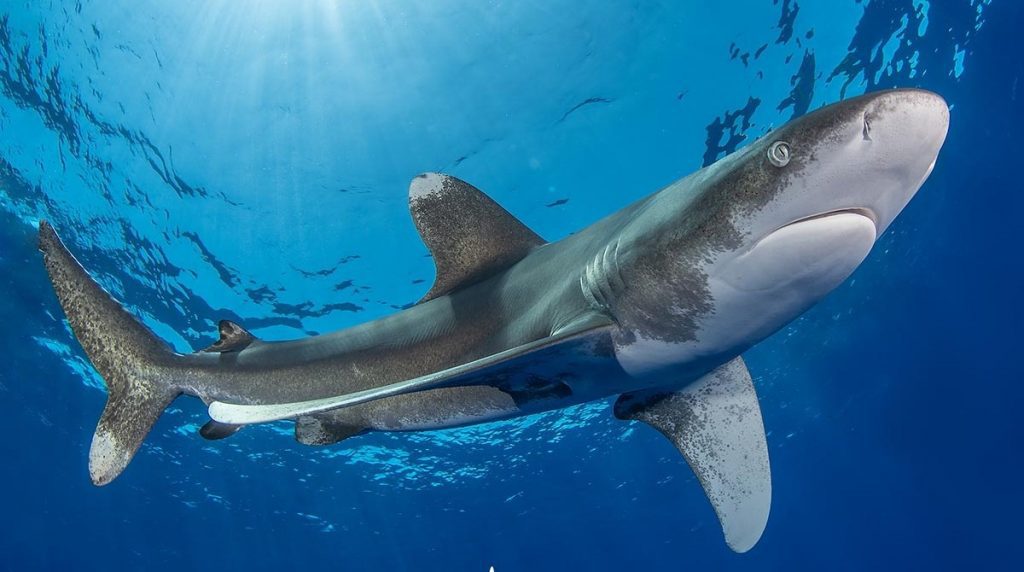
Key CITES CoP20 Outcomes
Appendix I (full international commercial trade ban)
- Oceanic whitetip sharks
- Manta and devil rays
- Whale sharks
Zero export quotas (suspension of all exports of wild-caught specimens)
- Wedgefish and giant guitarfish
Appendix II (regulated trade requiring permits and Non-Detriment Findings, NDFs)
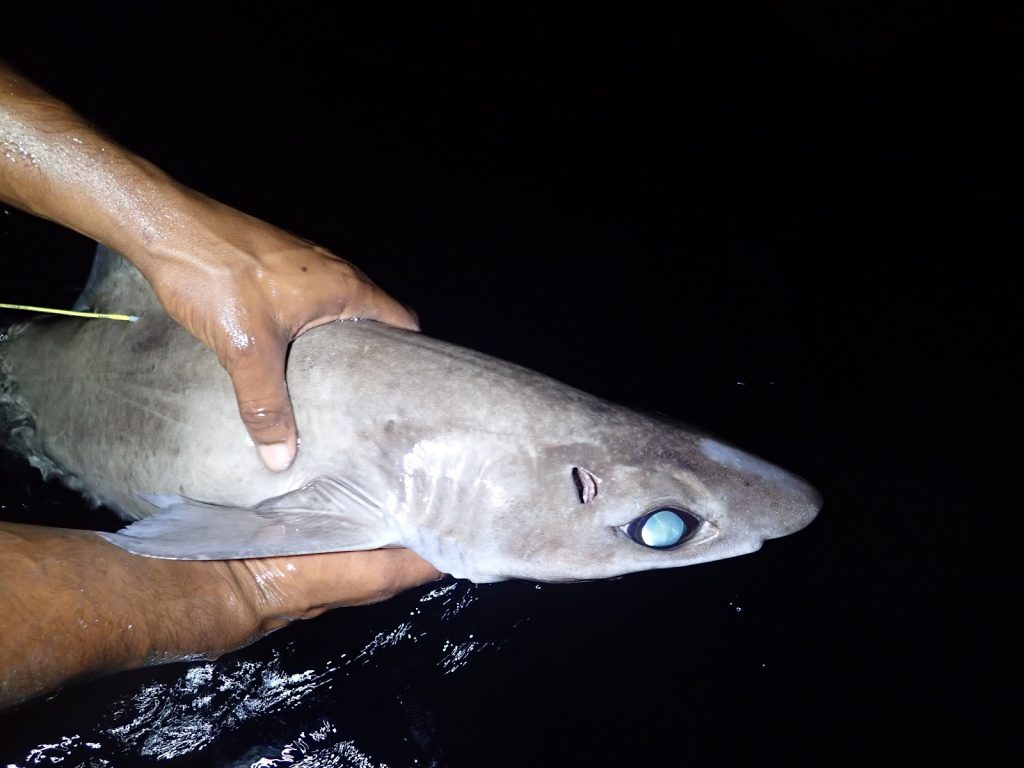
- Gulper sharks
- Smooth-hound sharks
- Tope shark
These uplistings and quotas reduce legal loopholes that traffickers exploit, simplify enforcement, and prioritize species for monitoring and protection.

Science Underpins Effective Policy
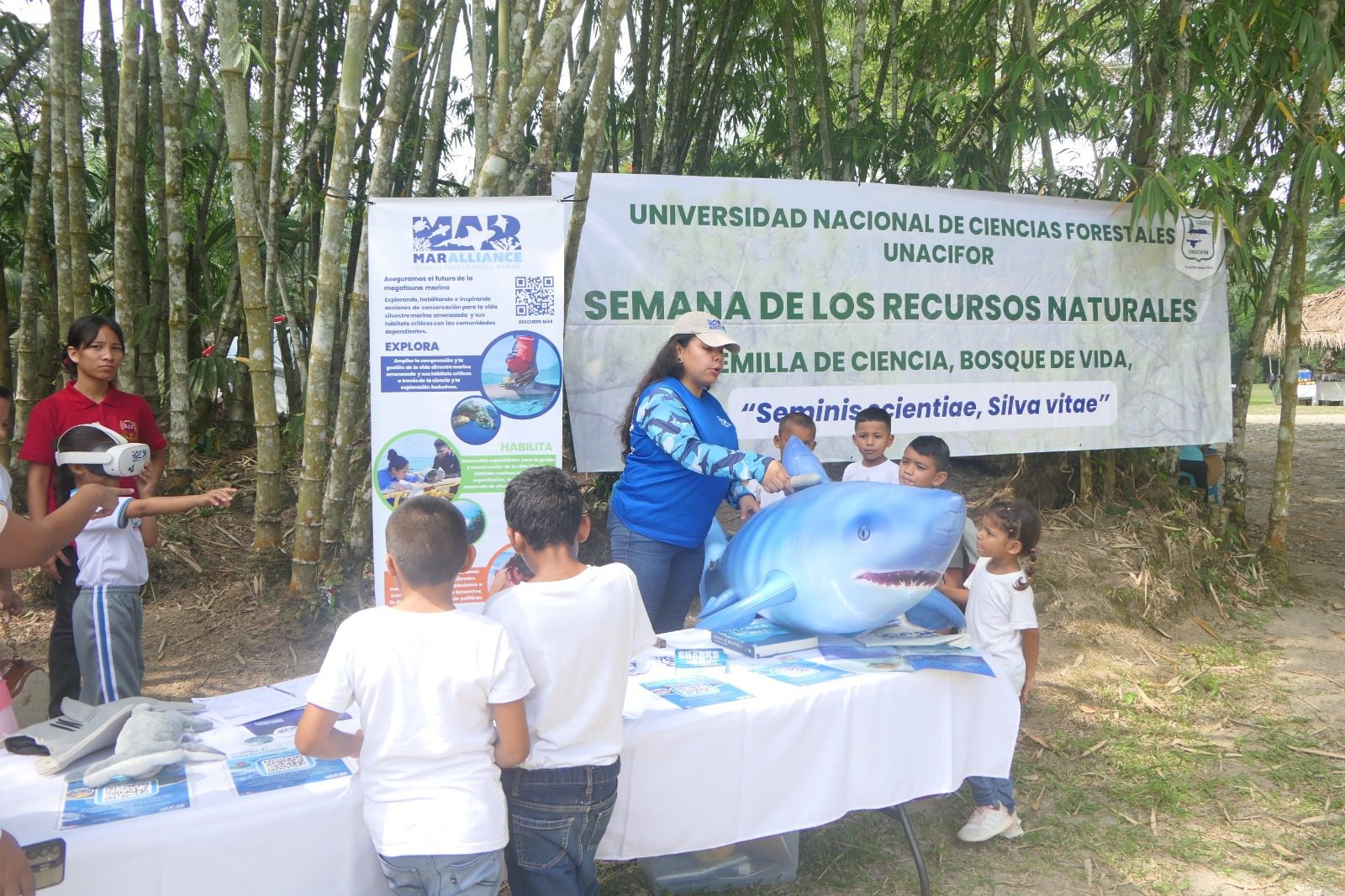
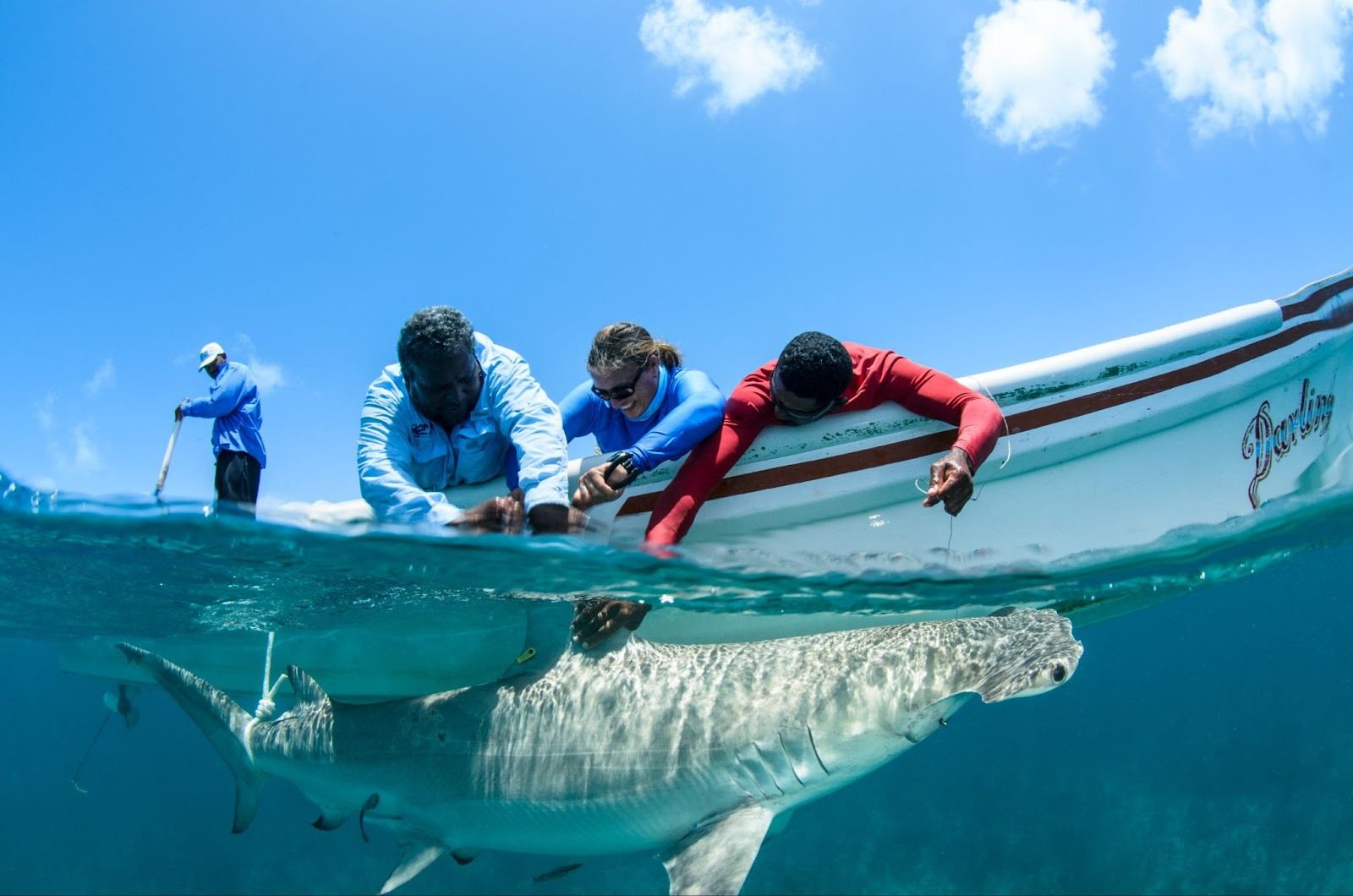
Scientific research is central to shaping policy decisions. At MarAlliance, we have contributed decades of research that directly inform international conservation strategies. Our long-term studies on coastal and deep-sea shark and ray populations, and megaplanktivores, particularly in Latin America and Cabo Verde, generate robust data on population trends, critical aggregation sites, and migratory corridors. This evidence ensures that policymakers implement protections grounded in ecological realities.
Why Science and Data Are Critical
The CITES CoP20 uplistings and protections reflect the kind of evidence generated through the type of research conducted by MarAlliance and other organizations. By providing governments with detailed data on species’ movement patterns, aggregation sites, and critical habitats (foraging, reproduction, nursery, mating), we help to ensure that trade regulations are based on sound science. Our work in the Western Caribbean and Cabo Verde has identified both key aggregation and foraging habitats for whale sharks and mobula rays as well as their transboundary movements, while our deep-sea research in the Mesoamerican Region informs cross-border regional management for gulper sharks, smooth-hound sharks, and other offshore species
We also support and promote practical management tools — including contributing to the development of a shark/ray‑specific NDF template and an easy-to-use electronic NDF tool (spearheaded by our partners in the process Blue Resources Trust), which several countries have already adopted. These tools streamline the process for CITES authorities to evaluate export proposals for Appendix II listed species against biological and management criteria, ensuring that trade does not negatively impact species survival.
Moving Forward
While this is an exciting and unprecedented move toward the protection of sharks and rays from illegal trade, it is important to note that CITES listings are crucial and yet alone will not address all of the reasons behind the continued declines of these species that primarily focus on the ongoing overfishing of listed species. A recent study found that despite clear regulations, illegal trade of CITES listed species continues: of five shark species listed on Appendix II in 2013, fins from four of these species were still common in the world’s largest shark fin hub from 2015 to 2021. Yet CITES remains the most robust method to limit the trade of endangered wildlife, as the convention with “teeth”. Countries that do not regulate trade, or show progress toward regulating illegal trade, can face sanctions and trade bans of Appendix II listed species. However, the vulnerability of these species, along with ongoing trade and enforcement gaps means declines will continue unless the underlying threats are addressed.