Message from the Executive Director
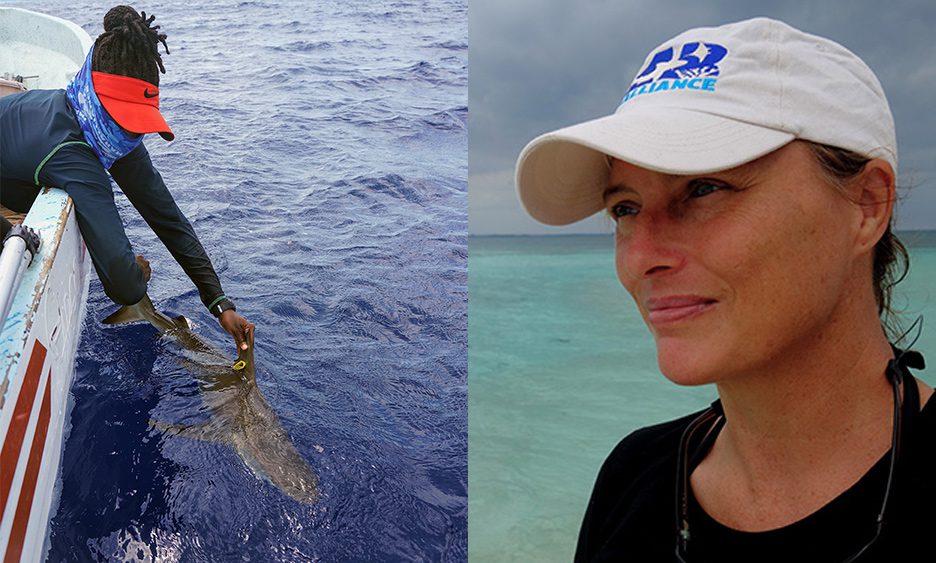
As the northern Hemisphere summer segways into fall we are grateful for a season that saw dynamic field work in full swing. We completed our large-scale fisheries independent assessments in several sites in Belize, throughout the Bay Islands of Honduras and in Panama’s Coiba National Park, to better understand the abundance, diversity and distribution of […]
Fishing Down the Reef Slope
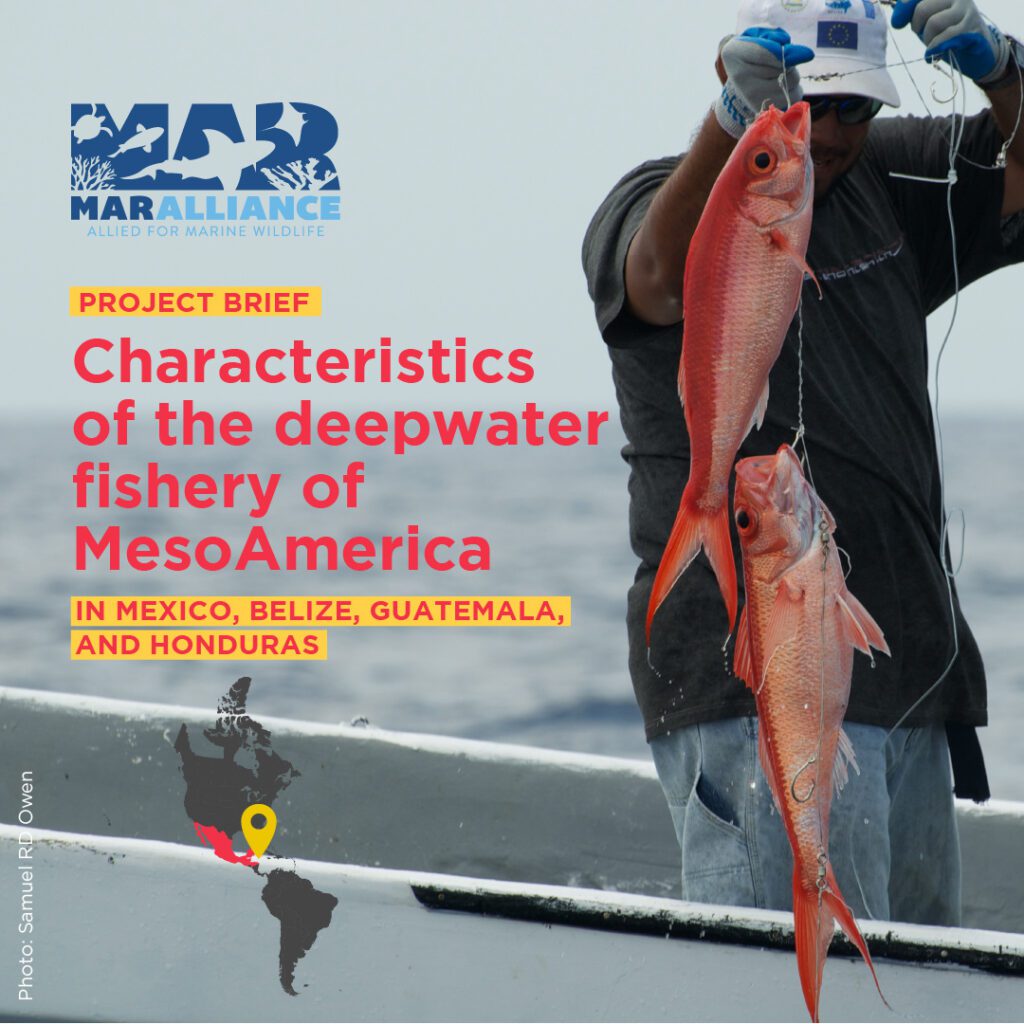
There is a common term in fisheries science that was popularized by Dr. Daniel Pauly and colleagues: “Fishing down the food web.” At its simplest, the phrase describes the phenomenon of fishers moving from larger, highly sought-after species at the top of the food web, to smaller, less desirable fish due to overfishing of the […]
Mechanisms for participatory decision-making

Creating mechanisms that enable decision-making with key stakeholders involved such as participatory committees with strong Government engagement is critical to enabling marine wildlife issues to be tabled during management and policy decision-making. MarAlliance holds a seat on a range of national committees for sites and species including founding three National Shark Advisory Committees. We are […]
Creating marine wildlife ambassadors
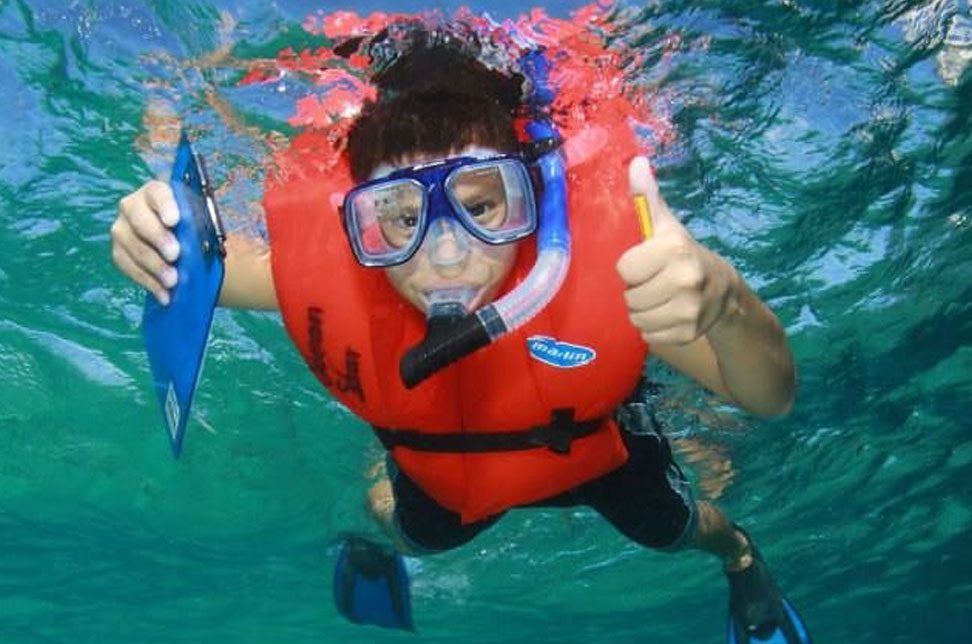
Helping the public to adapt their mindset to reduced marine resources, support smart and sustainable seafood consumption underpin marine conservation efforts and give a greater Voice to Big fish. MarAlliance engages the public regularly through public events, TV, presentations and social media (Facebook pages: MarAlliance, Belize Shark Project, MarAlliance Cabo Verde, Tiburones de Honduras, Tiburones de Cuba) to curry support […]
Children of the Sea
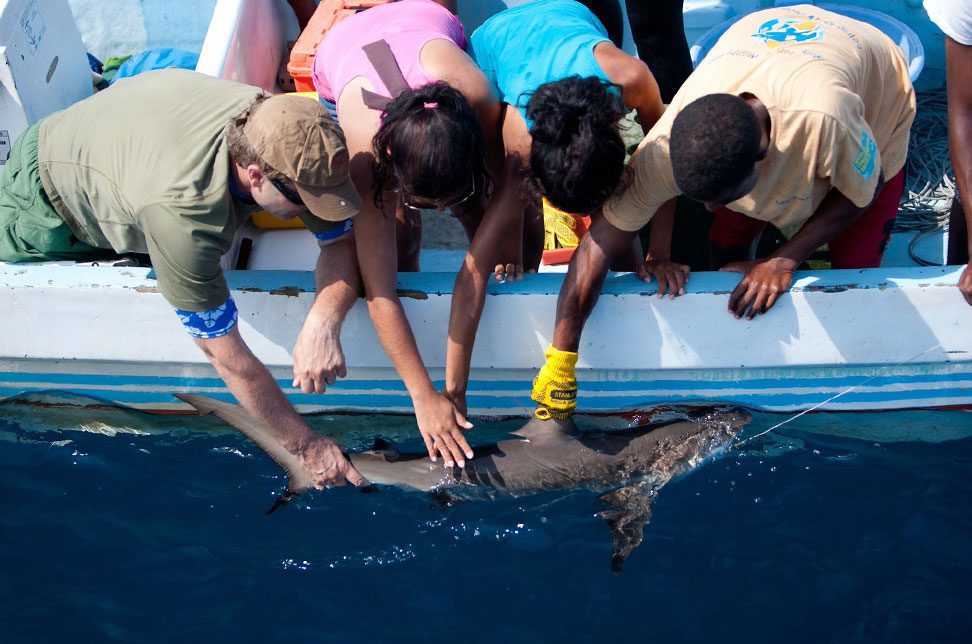
Our children are the future stewards of nature. To engage and empower them to become fearless champions of marine wildlife we created the Children of the Sea program. We introduce local children to sharks and rays through classroom and field experiences to help them to understand the animal’s importance for the ecosystem while dispelling fears […]
Other capacity-building courses
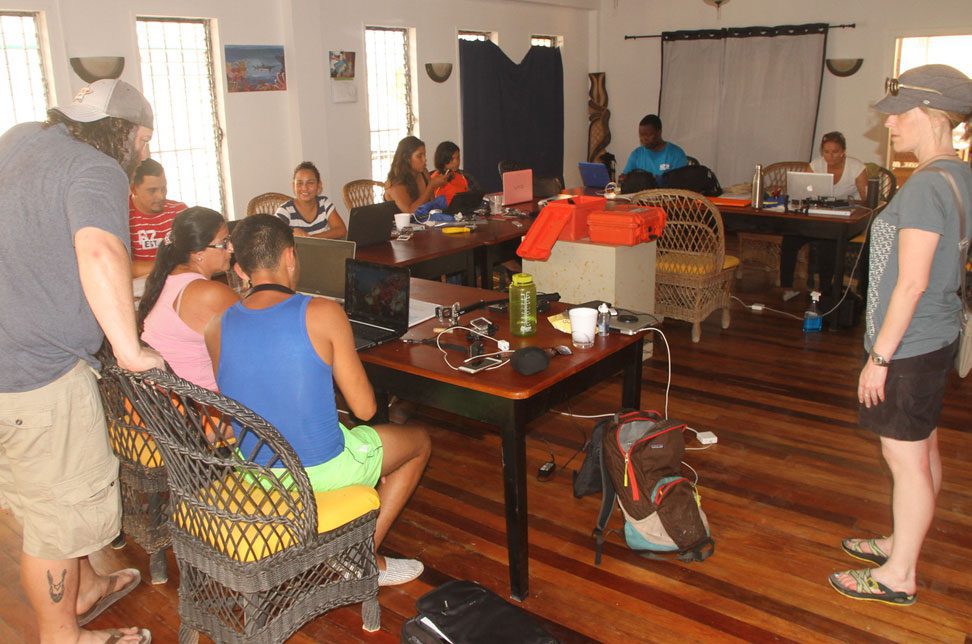
Knowing how to analyse and interpret your data in a standardized manner and getting your results and conservation messages out loud and clear are key to conservation success. To support common conservation goals and empower our partners to analyse data they collect we created and hosted a two week international data analysis/modeling/ interpretation workshop for […]
Marine megafauna monitoring courses
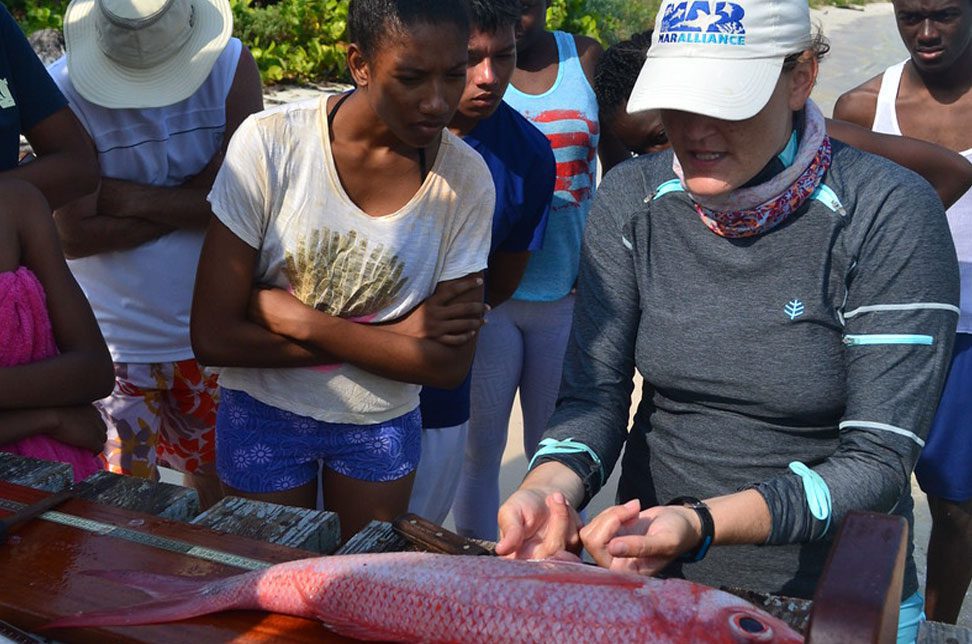
Empowering the next generations is key to creating decision-makers who care for the sea. To date, we have trained over 460 primary, high-school and university students in 1-4-day hands-on field courses. The training included topics on fisheries-independent megafauna monitoring techniques for sharks, rays, and turtles. The longer field courses included longline preparation, deployment, animal handling, […]
Empowering partners to engage in science and conservation
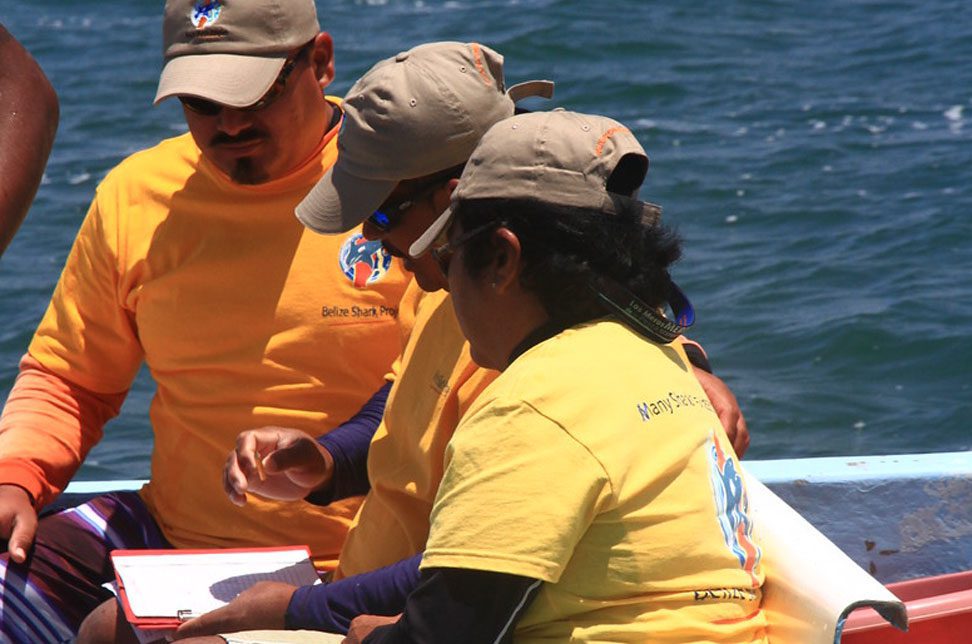
MarAlliance trains and works with local traditional fishers, conservation and marine protected area partners and students when conducting research and monitoring activities and subsequently supports their training of other similar groups. This horizontal approach to training supports the use of standardized and replicable field methods and underpins the ability to scale up both fieldwork and […]
Studying contaminants with the Institute for Integrated Research on Materials, Environment and Society (IIRMES)
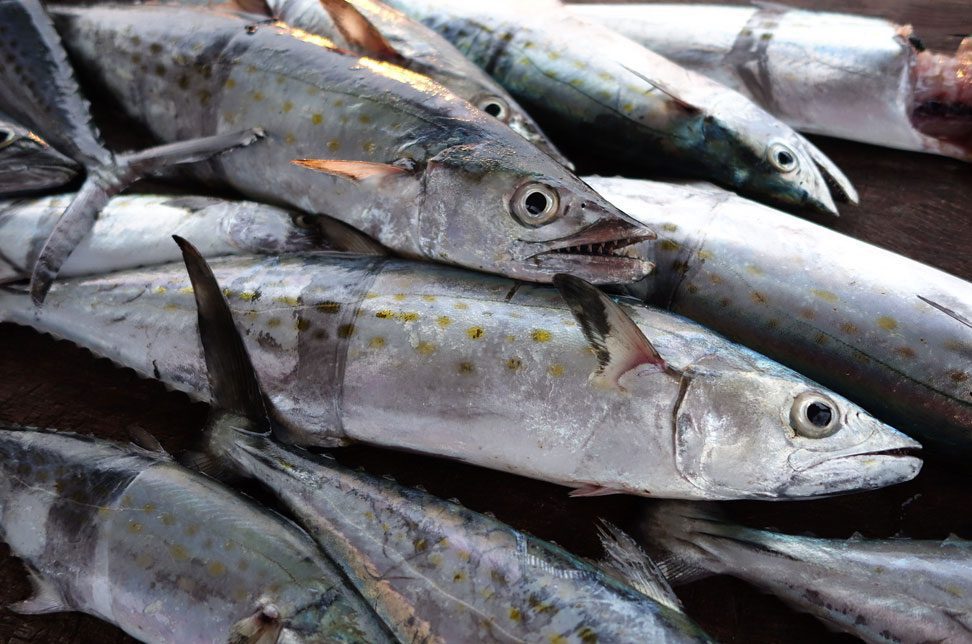
Marine fishes are important sources of protein throughout the world. As fish grow and age, they will accumulate contaminants, such as heavy metals and PCBs, that can be harmful to humans if consumed in high concentrations. Large, slow growing fishes that are at the top of the food web bioaccumulate contaminants over their lifetime, and […]
Partnering for genetic science
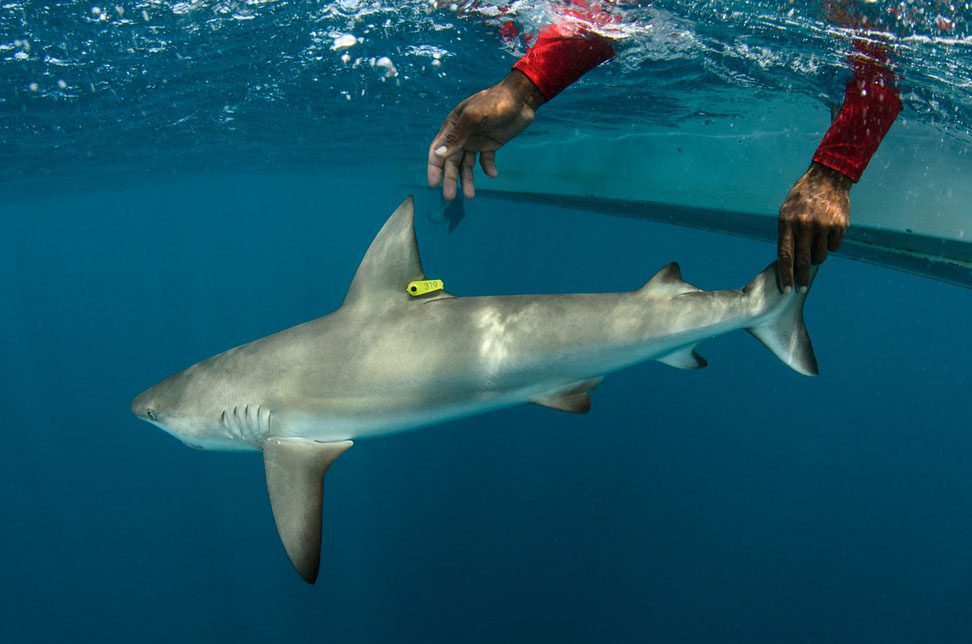
Studying the DNA of organisms can reveal more than just their genetic code. We are working with scientists in the US and Australia to determine species identification, patterns of movement and connectivity, biodiversity, population relatedness, and spatial ecology of sharks, rays, and finfish. We collect genetic information by cutting a small piece of fin from […]
Working with the Sawfish Conservation Society
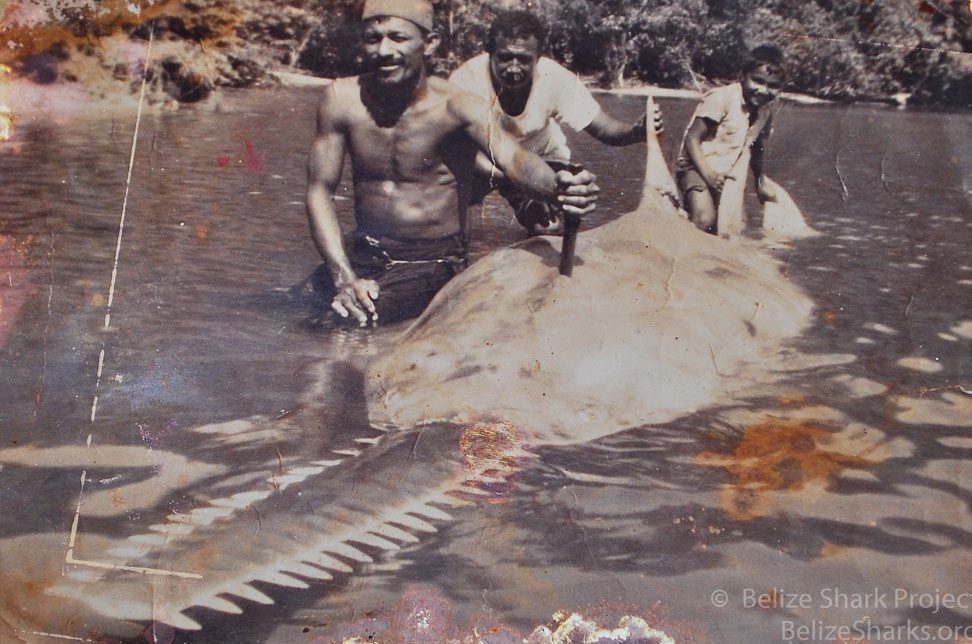
Sawfish, a family of cartilaginous fishes consisting of five species, were recently identified as the most vulnerable of all elasmobranch families. Ecologically extinct throughout most of their ranges due to overexploitation, notably through the expanded use of gillnets, sawfish are now on the brink of extinction. We work with the Sawfish Conservation Society and the […]
Marine protected areas and big fish
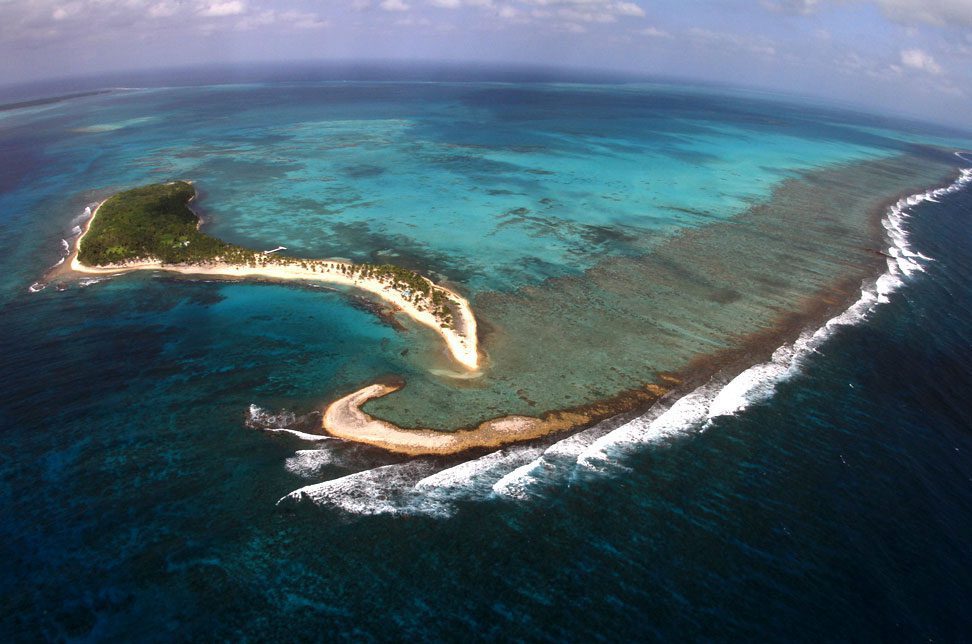
Marine Protected Areas (MPAs) are increasingly used as a management tool and are considered a spatial management unit used to prohibit or restrict fishing or other destructive activities within a defined area. Although selected MPAs are fully protected, prohibiting fishing or any removal of marine wildlife, others enable multiple uses including recreational or artisanal fishing […]
Is Eating Shark and Other Large Fish Healthy for You?
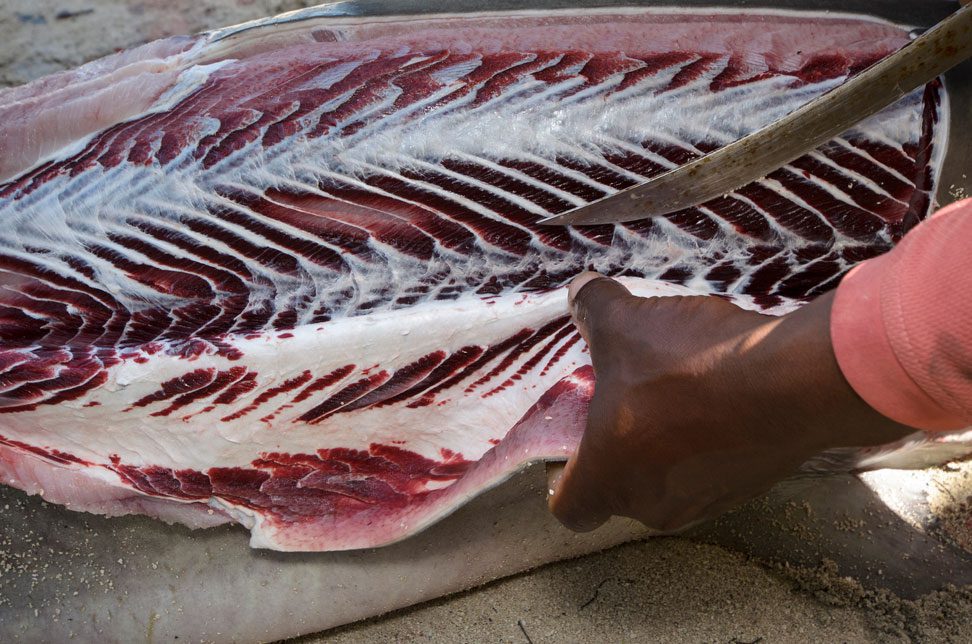
As a top predator on the food chain, sharks and other large predatory fishes are known to accumulate toxins acquired from the fish and other prey they eat throughout the course of their lives. Several published papers indicating that shark meat contains high levels of methyl mercury, which is a potent neurotoxin that is often […]
Public perception assessments
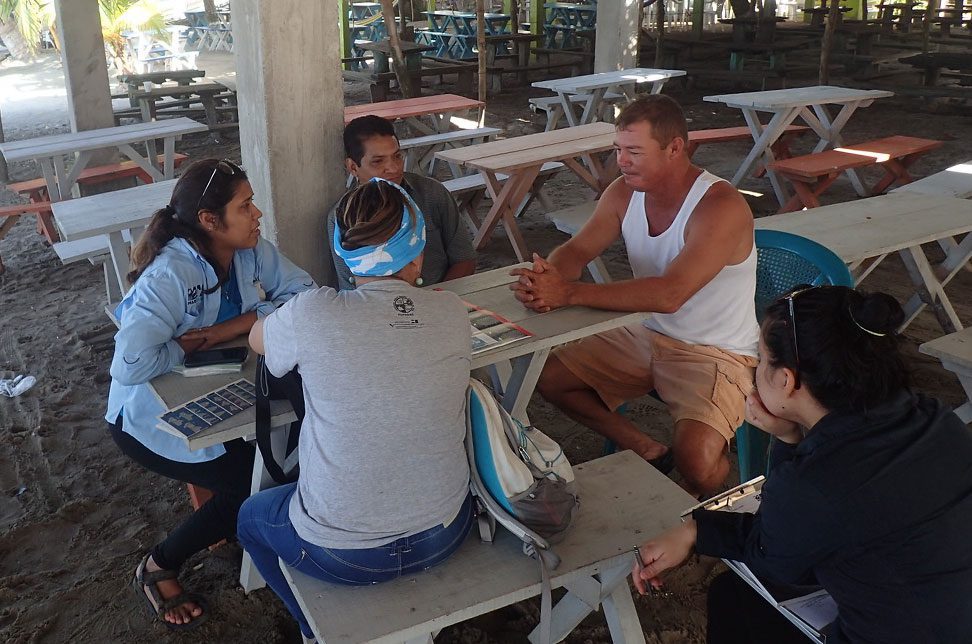
In the quest to better raise public awareness about marine wildlife and notably sharks, we have conducted outreach and education initiatives throughout Belize since 1999. From 2001 onwards, these initiatives were expanded to several other countries including Madagascar, Micronesia, Mexico, Guatemala, Cuba, and Honduras. However, we needed to know whether our efforts had been effective […]
Socio-economic assessments
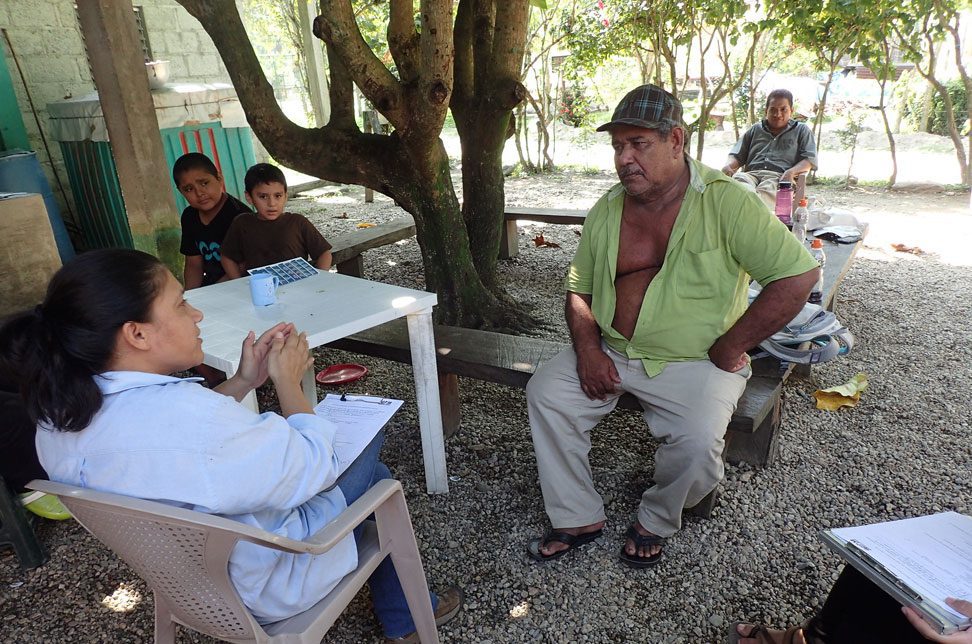
Many tropical countries are data-poor when it comes to fisheries or information on marine megafauna. To fill the data gaps and support precautionary management measures, we have conducted socio-economic assessments of a range of small-scale fisheries including on reef-associated fish, sharks, Goliath grouper and deep-water fishes. Depending on the targeted group and information needed, the […]
Recreational fisheries
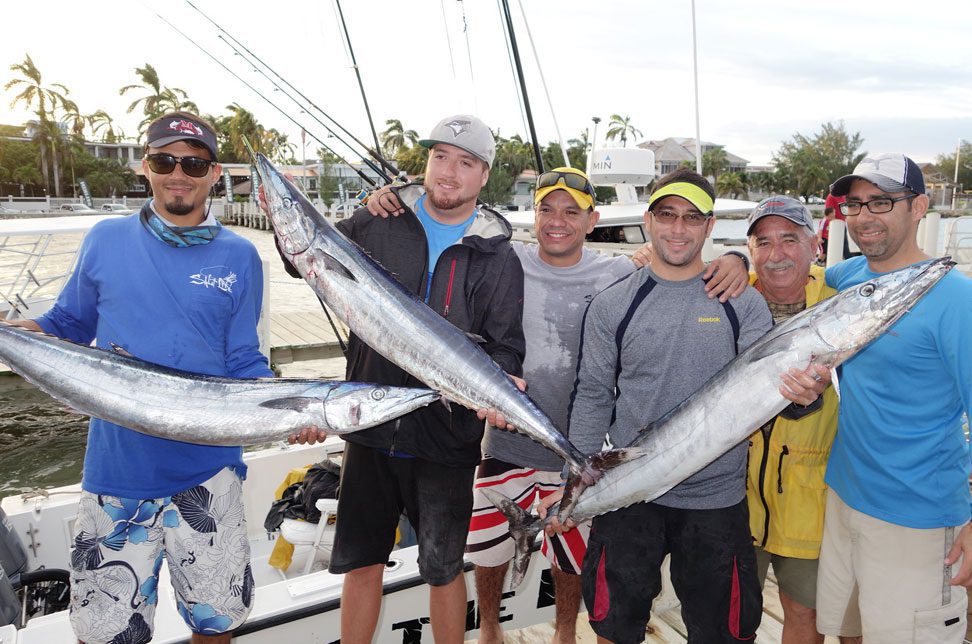
Many fishes desired by sport or recreational fishers are large, highly migratory species. These animals are often apex predators and indicators of ocean health. Because they are highly migratory, sport fish may be targeted by fishers in more than one country, complicating management. Belize has a long history of recreational offshore fishing, but the status […]