Historic CITES CoP20 Protections Strengthen Conservation for Sharks and Rays
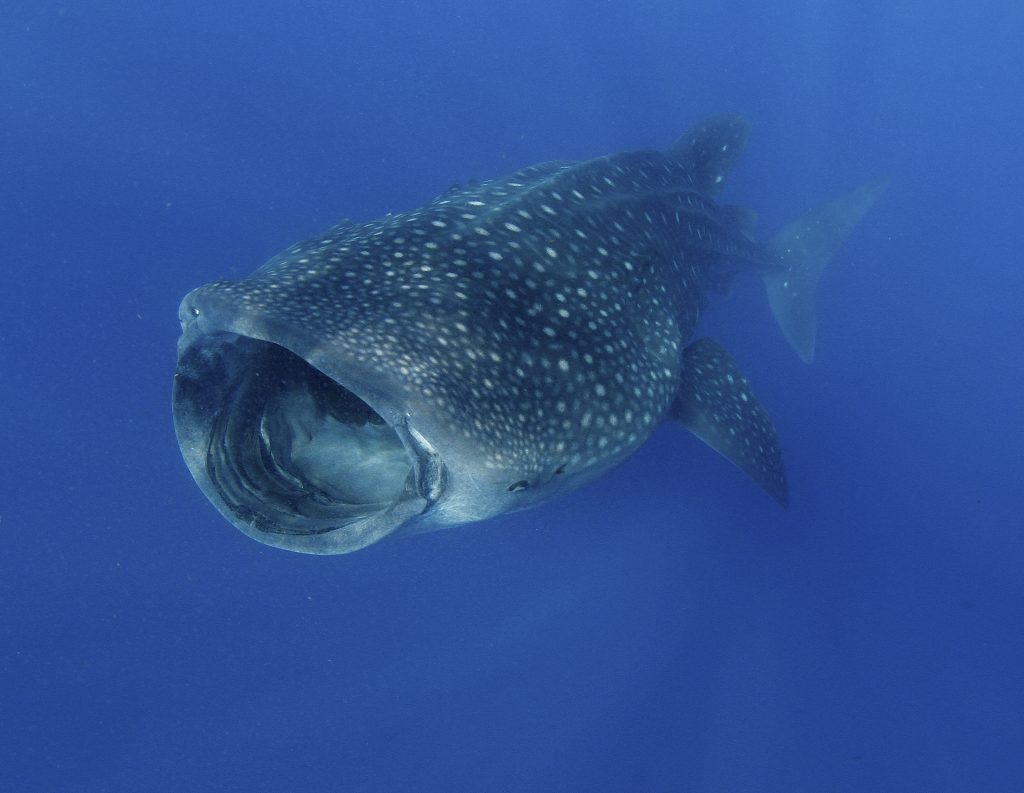
Sharks and rays are facing unprecedented threats from overfishing, bycatch, and the global trade in fins, meat, liver oil, and other marine products. At the 20th Conference of the Parties for the Convention for the International Trade for Endangered Species of Fauna and Flora (CITES CoP20) taking place in Samarkand, Uzbekistan, governments of 185 countries […]
Are All Sharks Apex Predators?
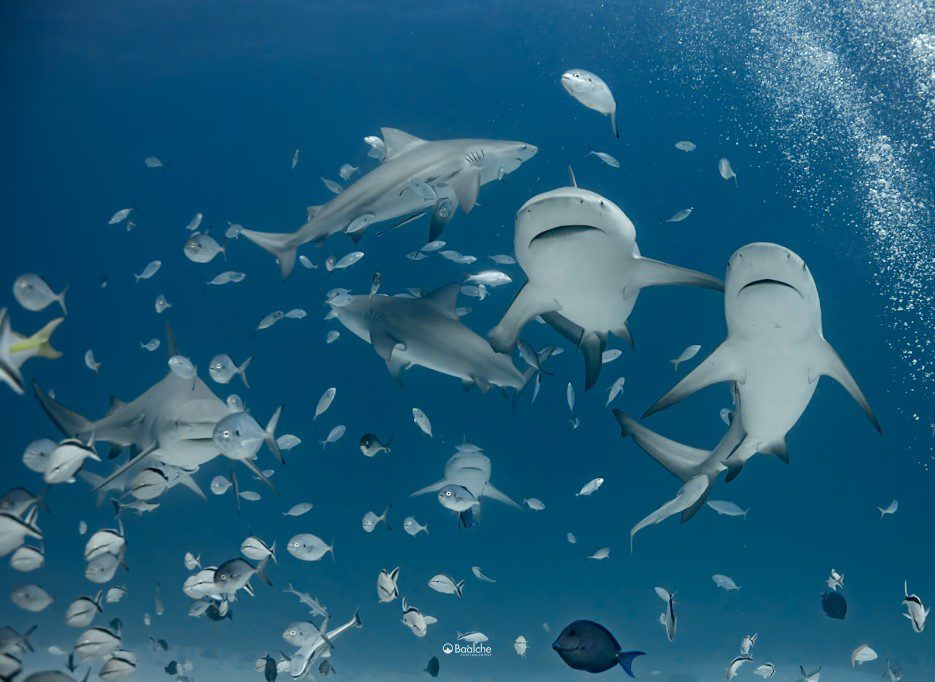
Sharks are often portrayed as the ultimate rulers and top predators of our oceans. While it is true that some sharks are apex predators, this is not always the case. An apex predator is defined as an animal that exists at the top of any ecosystem’s food chain, meaning that they themselves have no predators. […]
Shining a Light on Deep Sea Creatures

Deepwater elasmobranchs are especially vulnerable to extinction due to their slow growth, long generation times, and minimal offspring production. Adding to the peril, much of their habitat remains unmanaged and lacks conservation efforts. A recent study published in Science sheds light on the alarming situation of deepwater sharks and rays globally. The study finds that […]
Empowering Change: The Vital Role of Women in Conservation and Economic Diversification
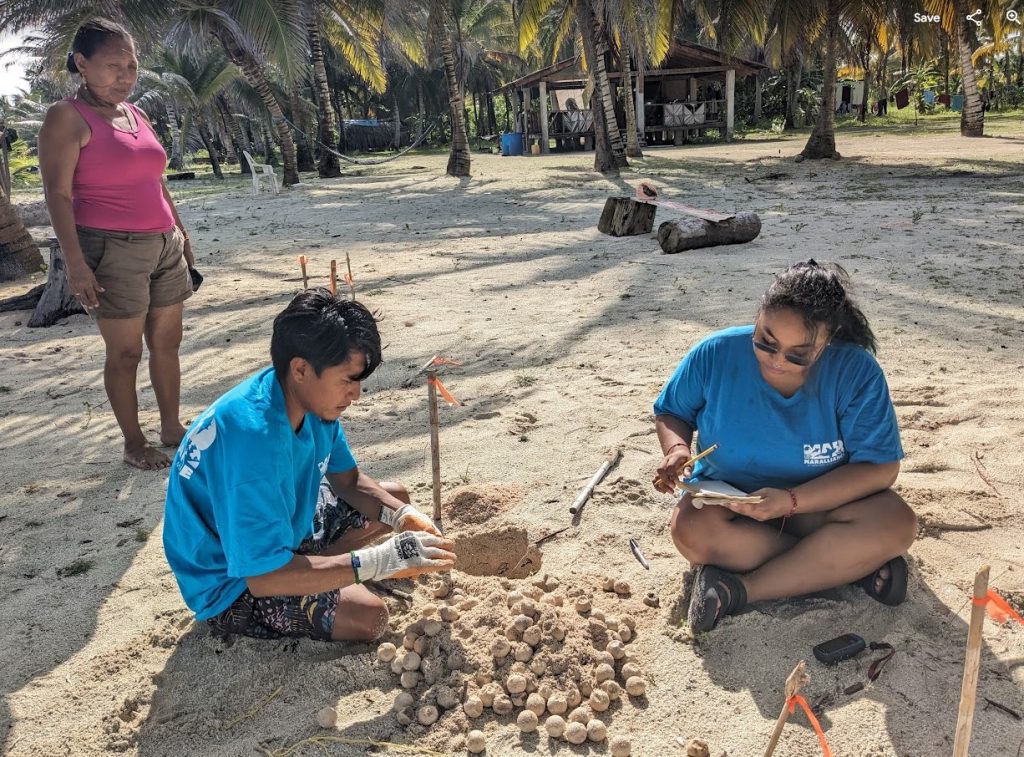
Despite comprising a significant portion of the global conservation workforce, women continue to face systemic barriers that limit their participation and leadership opportunities in environmental initiatives. In light of these challenges, it is imperative to underscore the pivotal role that women play in driving forward conservation efforts and unlocking a wealth of innovative solutions to […]
Deep Dive into Tech-Driven Conservation
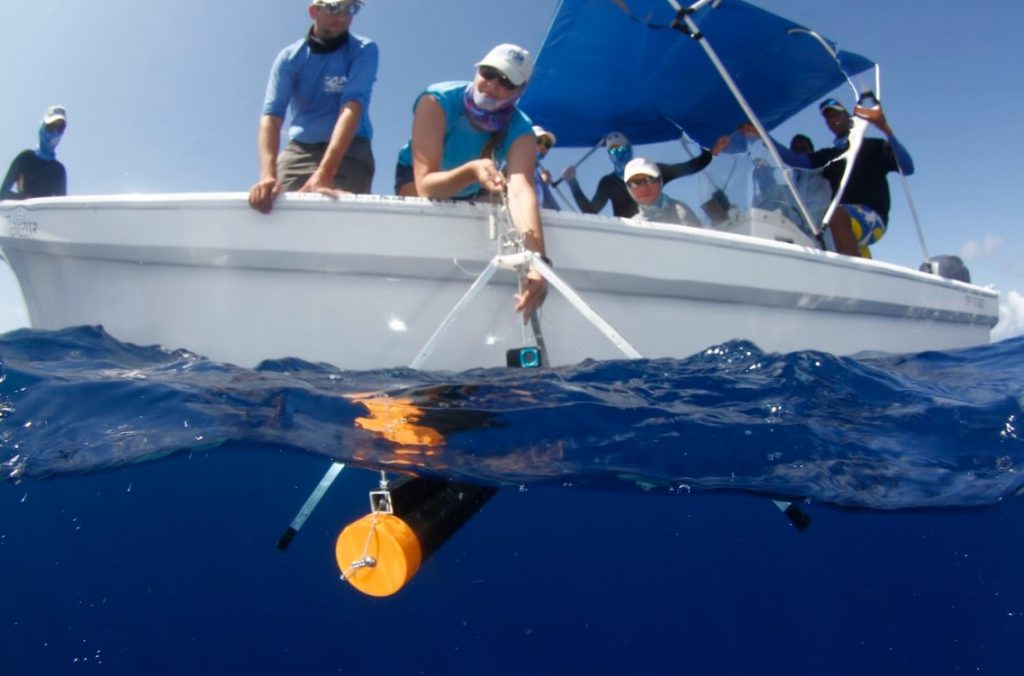
This World Wildlife Day, we delve into the realm of digital innovation, spotlighting the transformative potential of digital conservation technologies and services in driving wildlife conservation and harmonious human-wildlife coexistence. In an ever more interconnected world, these advancements offer solutions that resonate now and for future generations, as we strive to safeguard our planet’s biodiversity […]
Unveiling the Secrets of Female Bull Sharks Through Photo Identification along the Mexican Shore
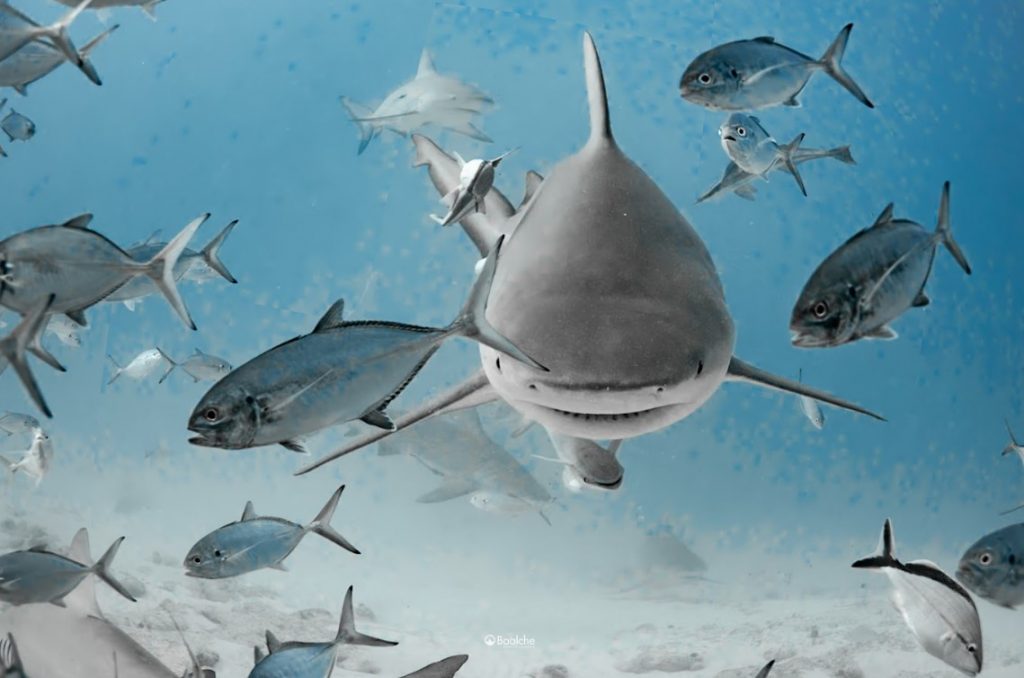
Every year, between November and March, the shores of Playa del Carmen host a captivating aggregation of female bull sharks, many in the final stages of gestation. In this corner of the Mexican Caribbean, a unique collaboration unfolds among the local community, divers, fishermen, authorities, and scientists, all working together to conserve and understand these […]
Why are we interested in monitoring male sea turtles?
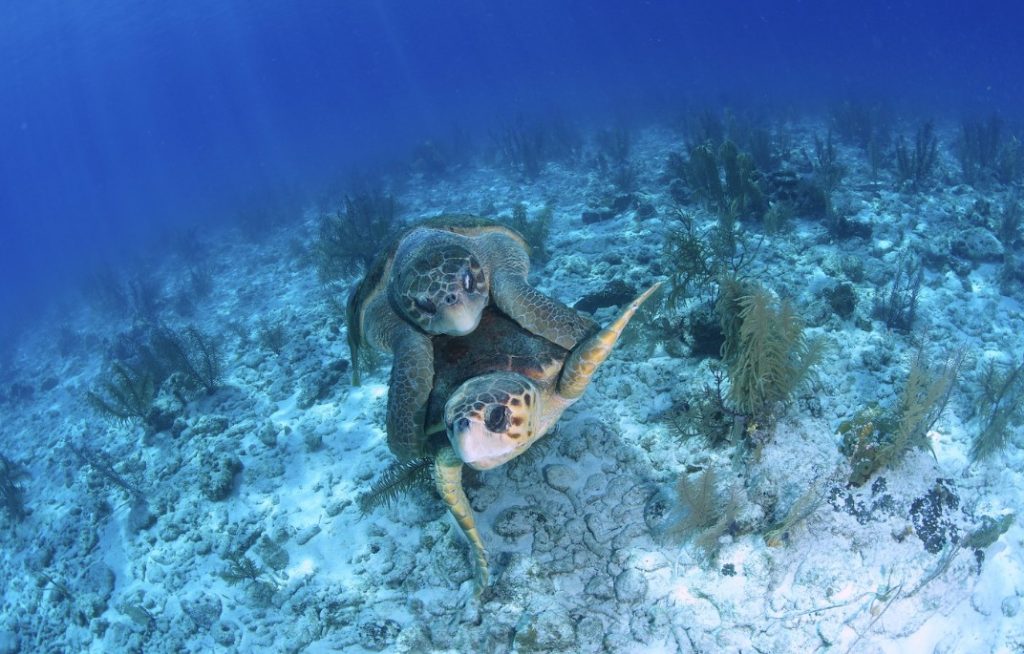
Most of what we know about sea turtles comes from our observations of them during the nesting season, when females come back to land to lay their eggs. Although they are dependent upon beaches to reproduce, did you know that sea turtles actually mate while at sea? Males never come ashore. Once the females have […]
Wild at Heart: Unveiling the Personal Stories Behind Our Women-Led Team’s Journey into Conservation Science

The essence of diversity and equality in research extends far beyond mere numerical balance. It is the infusion of varied experiences, perspectives, and ideas that fosters an environment conducive to groundbreaking discoveries and sustainable solutions. Despite the acknowledged importance of Science, Technology, Engineering, and Mathematics (STEM) fields to national economies, achieving gender equality in STEM […]
Belize

With 24 years of country-based experience working with large fish, turtles, fisheries, and the tourism sector in Belize, MarAlliance’s work with large iconic marine wildlife began here. Our multi-pronged approach to big fish conservation integrates fisheries-dependent and independent research, tourism, outreach and education, capacity building, and policy support.
Panama
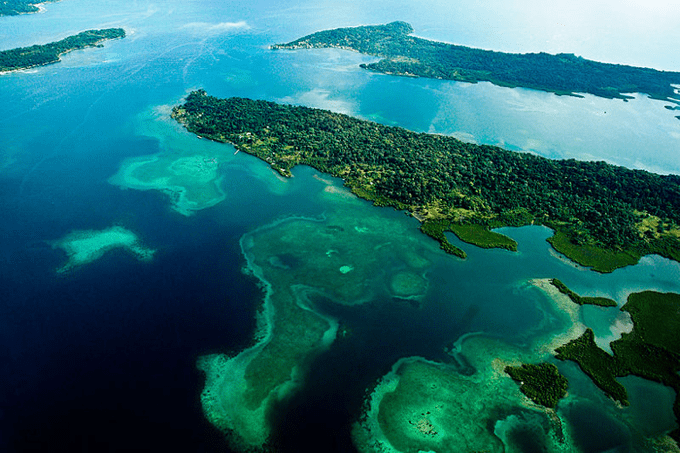
Panama is bounded by the Caribbean and the Pacific yet scarce information exists on the status of its sharks and rays. Panama is also host to one of the remnant populations of critically endangered largetooth sawfish. MarAlliance is conducting fisheries-dependent and independent monitoring of fish and working to protect sawfish throughout the country. We conduct […]
Honduras
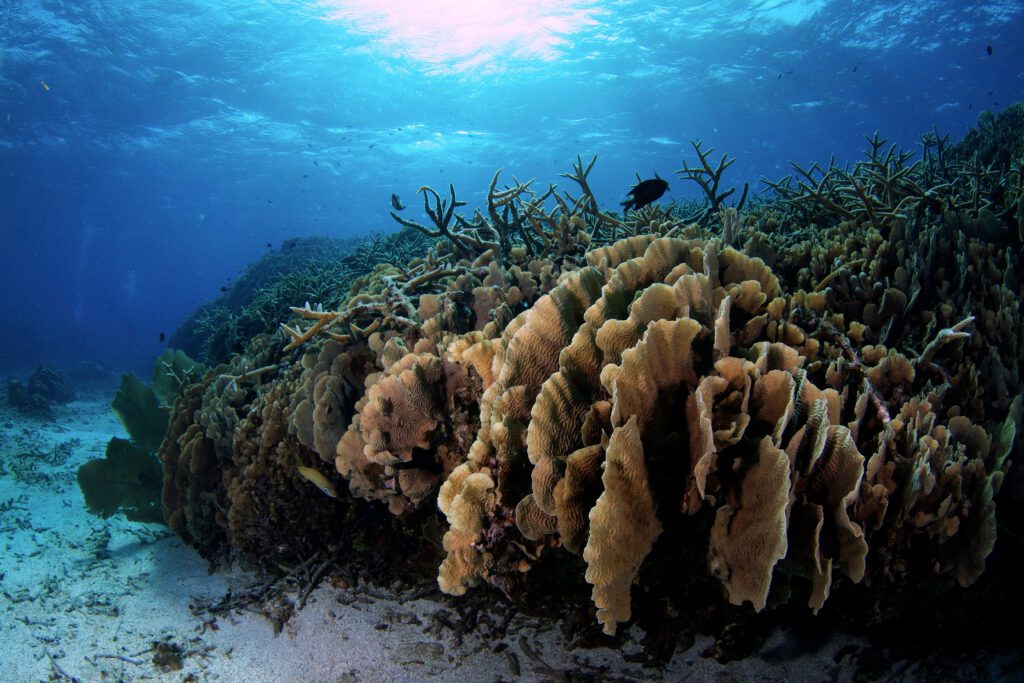
A moratorium on fishing sharks declared in 2011 has left the country without much data on populations and distributions of sharks and rays (collectively known as elasmobranchs). Working locally with traditional fishers, coastal and indigenous communities, we focus on generating information necessary for management and decision-making through collaborative research and monitoring, capacity building, income diversification, […]
Mexico
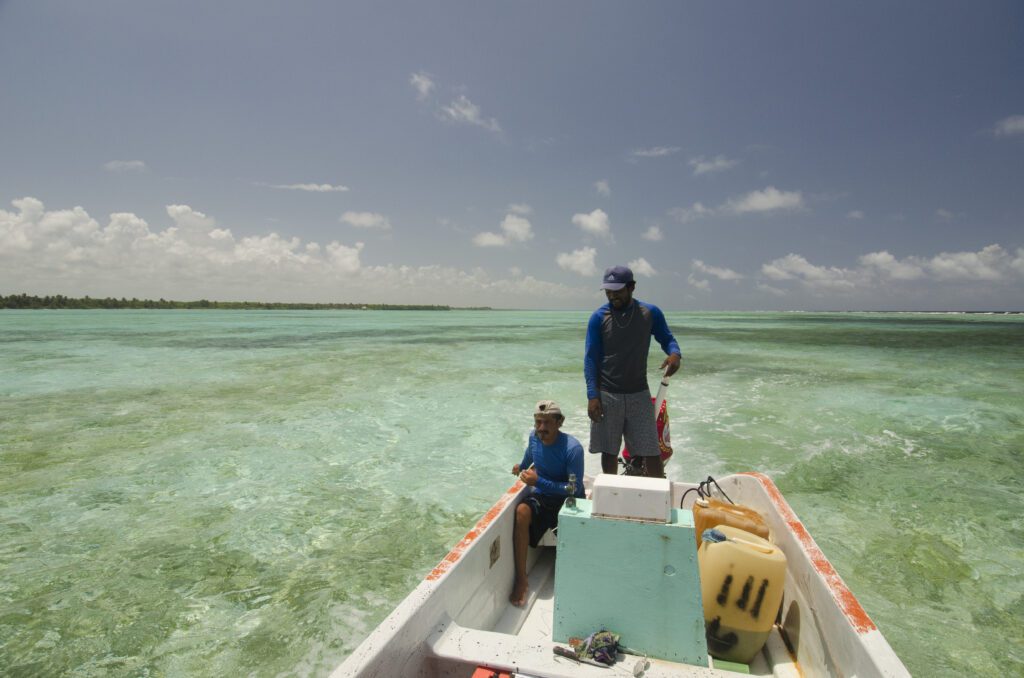
The Caribbean facing state of Quintana Roo possesses over 500 km of the MesoAmerican Reef and hosts key aggregation sites for several megafauna including whale sharks, manta rays and reef sharks. We have established permanent sites where we conduct standardized long-term monitoring of coastal and reef-associated marine megafauna.
Celebrating our MarAlliance Ocean Heroes
Embark on an extraordinary journey into the heart of marine conservation as we shine a spotlight on our MarAlliance Ocean Heroes. Here, we highlight some of our team members, who are on the front lines of conservation initiatives in their local communities, protecting their environment, educating their community, and inspiring positive change. Daneira Brown […]
Do sharks and rays have bones?
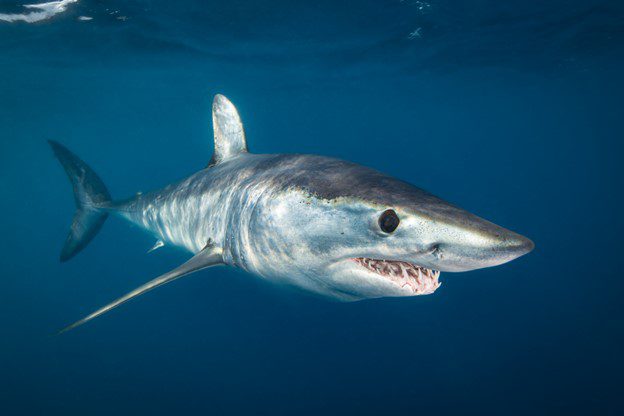
Sharks and rays, both in the Class Chondrichthyes, belong to a distinct category of vertebrates characterized by their unique skeletal composition. In the world of marine biology, distinguishing these cartilaginous creatures from their bony counterparts, such as snappers and groupers (Class Osteichthyes), helps to form the basis of our understanding of aquatic life. Absence of […]
Cabo Verde
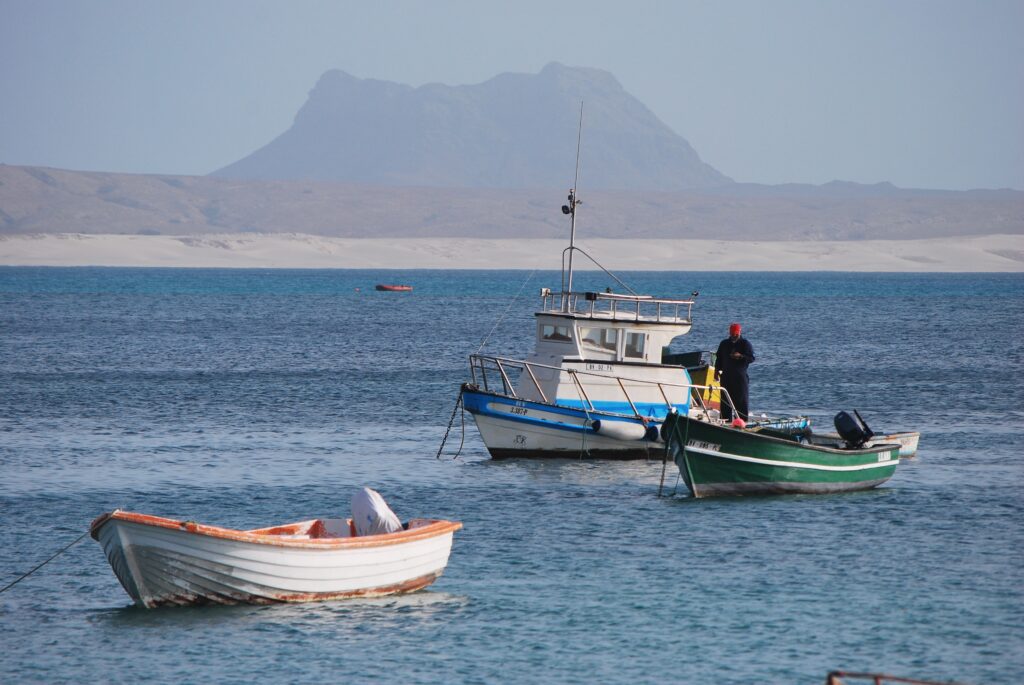
The status of sharks and rays in the Eastern Atlantic is poorly known, as is their connectivity with the Western Atlantic. Working with traditional fishers and institutional partners, we are conducting the first fisheries-dependent and independent assessments and long-term monitoring of sharks and rays in Cabo Verde, including critical nursery areas. This work gives us […]
Restoring Science, Community Engagement, and Marine Tourism at the Gladden Spit and Silk Cayes Marine Reserve
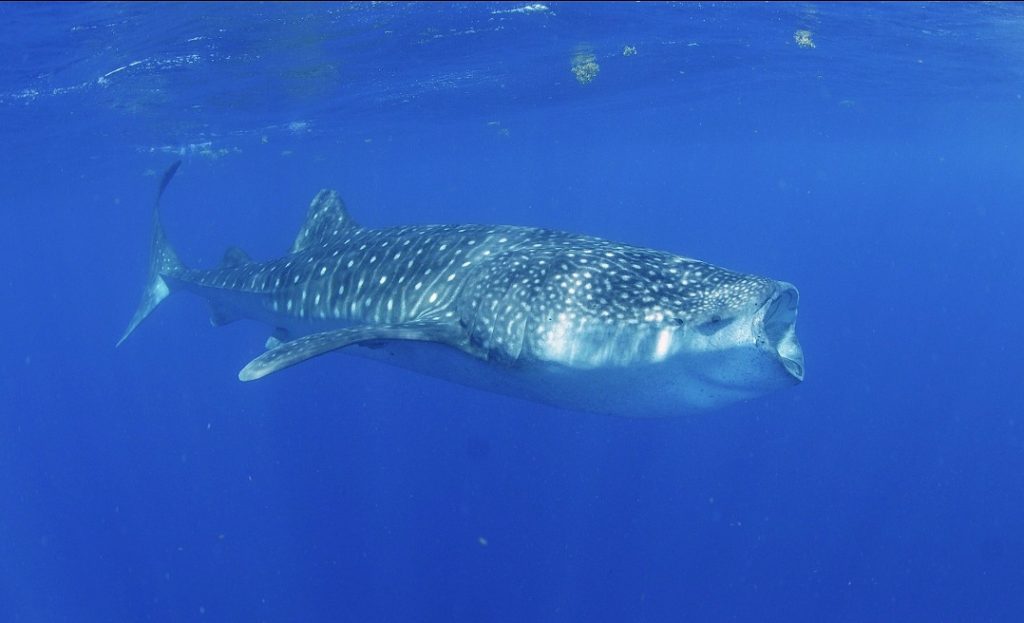
This MarAlliance led project aims to establish contemporary knowledge of large and commercially important fish, and develop a basis for scientifically informed and community-based marine wildlife encounter tourism in Belize by focusing on one of Belize’s iconic fish spawning aggregations (FSA) sites, Gladden Spit. The project will focus on four components that include inclusive monitoring, […]