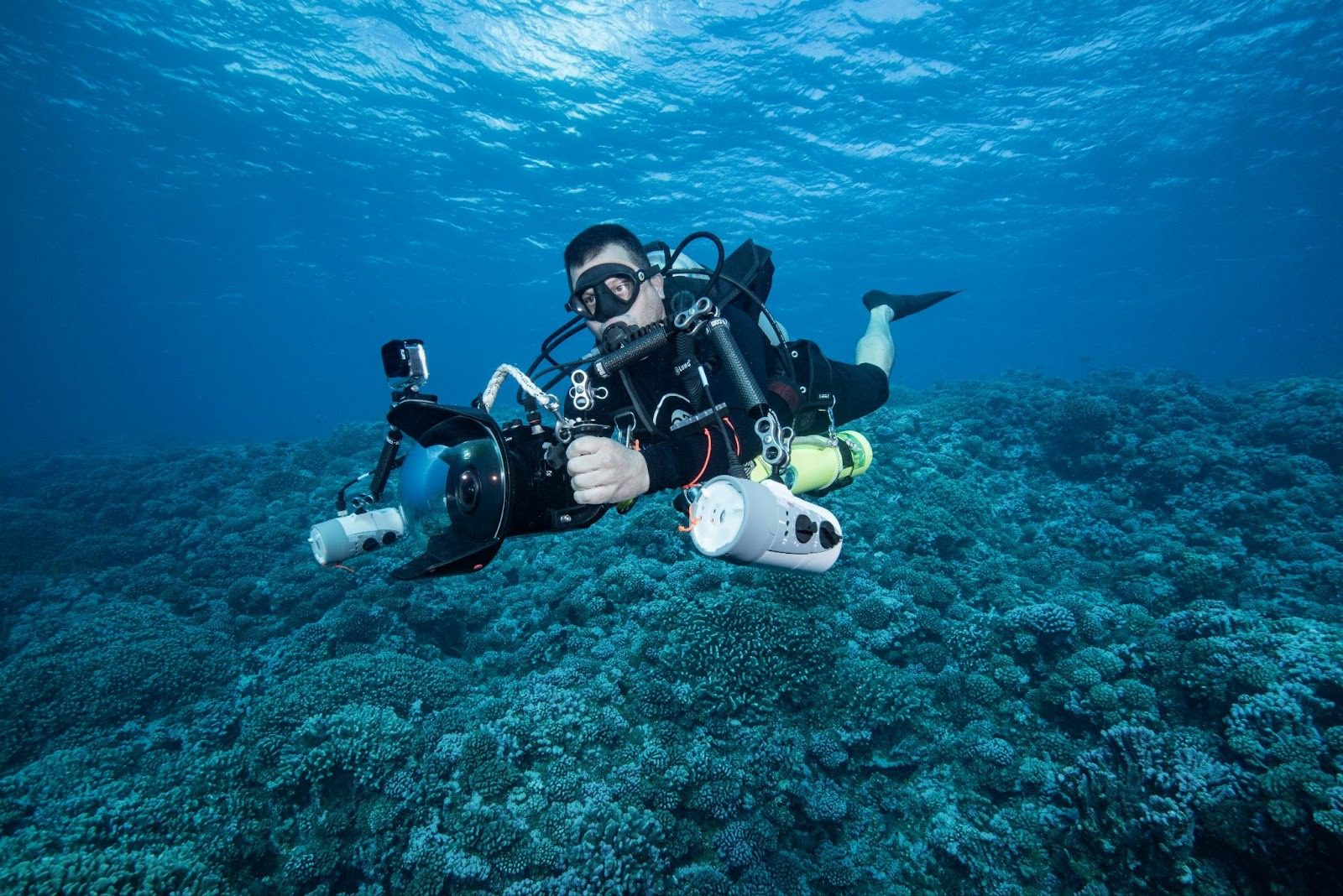
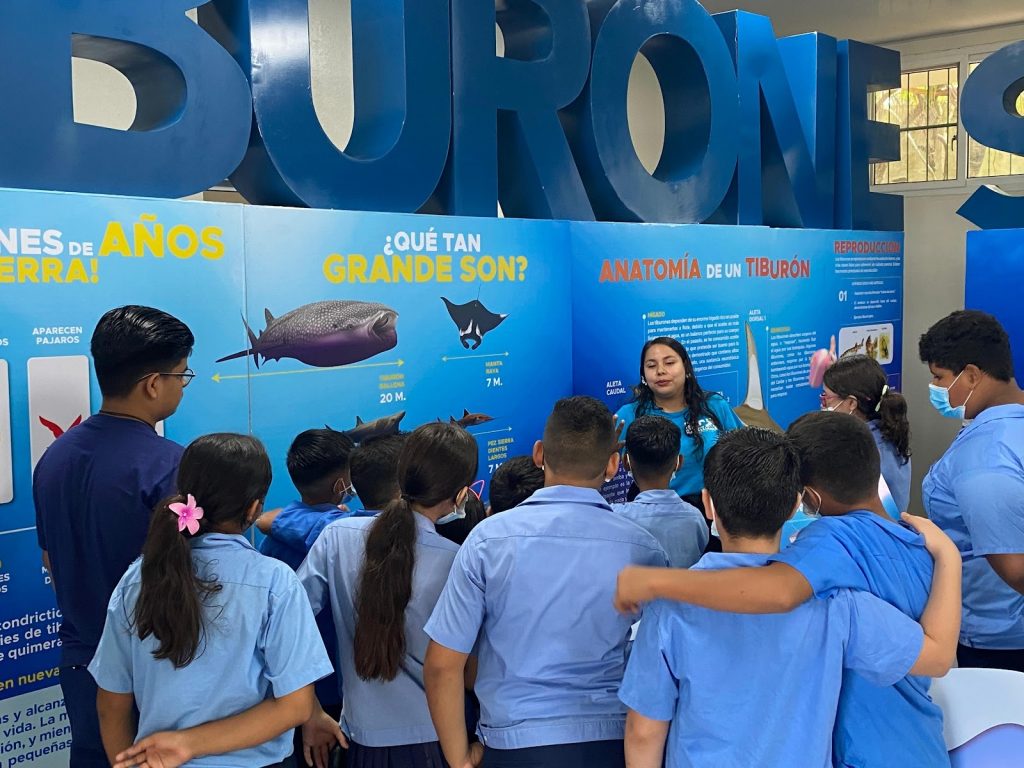
Creating an exhibit is more than logistics and design—it’s about connecting with communities, sharing knowledge, and inspiring action. For MarAlliance, our goal with these exhibits is clear: promote the conservation of sharks, rays, and other vital marine species.
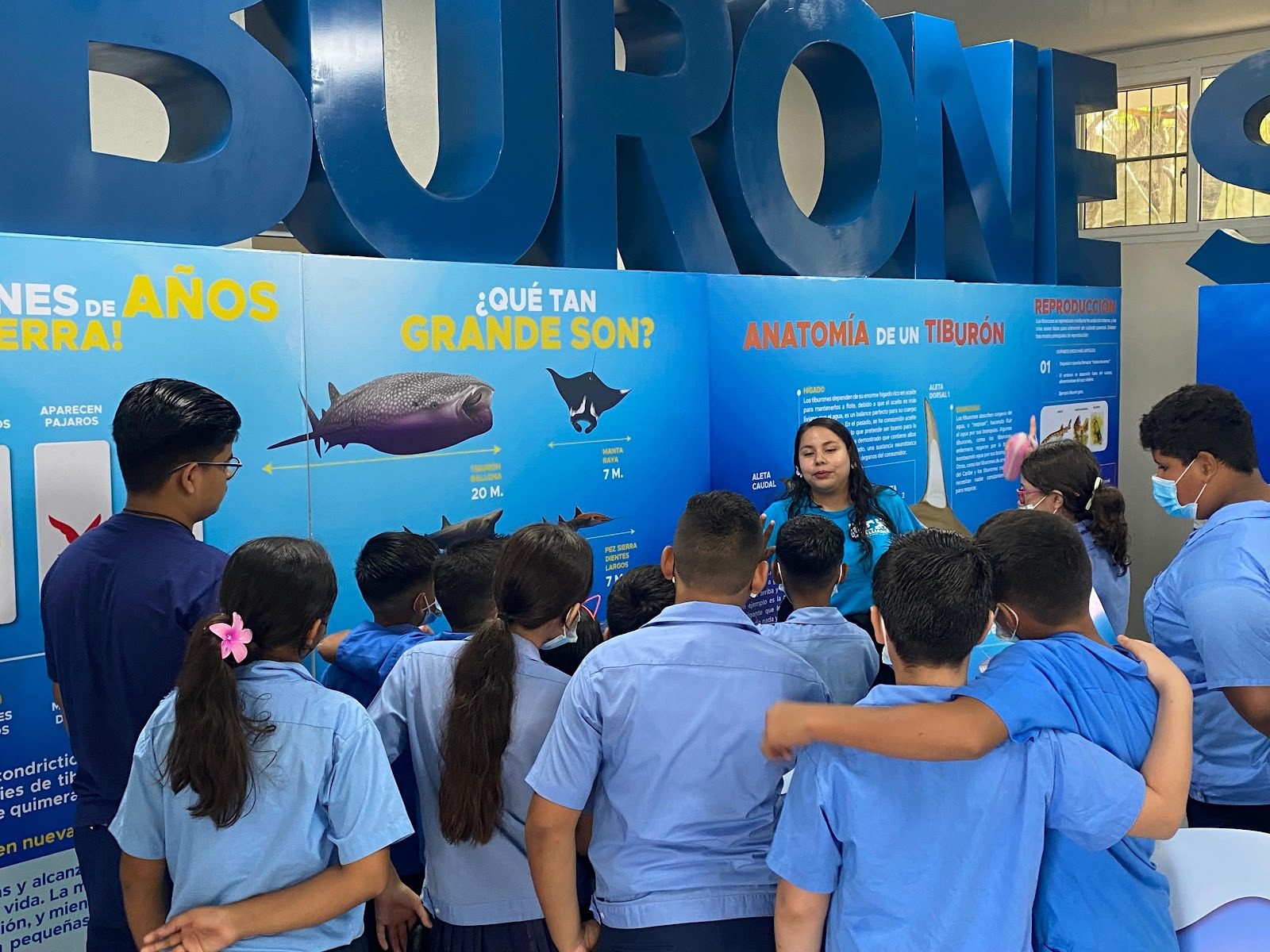
Our main exhibit has reached over 4,000 people across three cities in just six months. But what about communities in more remote coastal areas, where access to educational resources is limited?
To bridge this gap, we developed a secondary, portable version of the exhibit. Recently, it was installed at the Olive Ridley Sea Turtle Research Center on Honduras’ Pacific coast. Bringing conservation education directly to coastal areas allows people to engage with the environments where pressing marine issues are unfolding. Experiencing these ecosystems firsthand provides context that turns learning into an immersive, real-world experience.
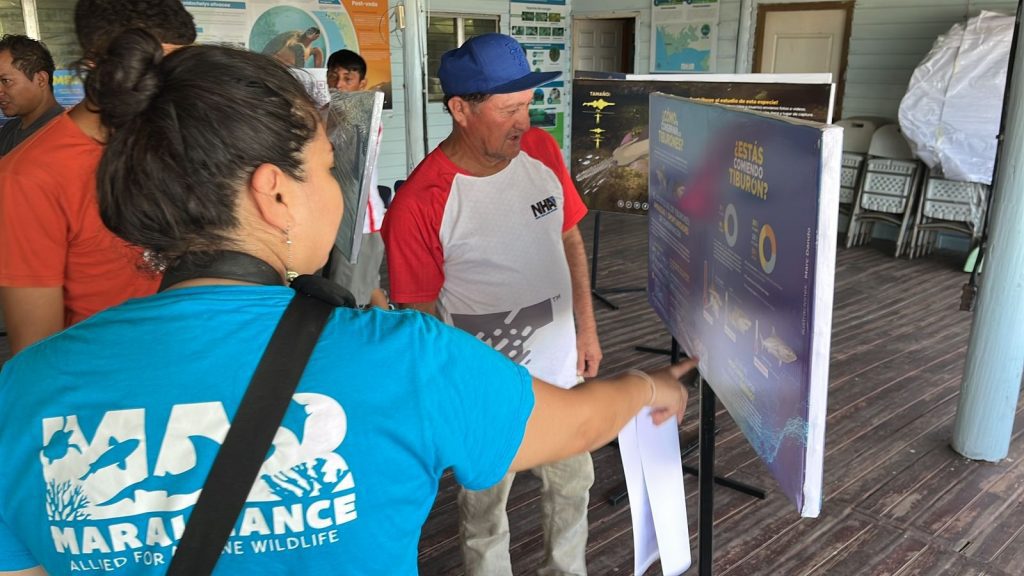
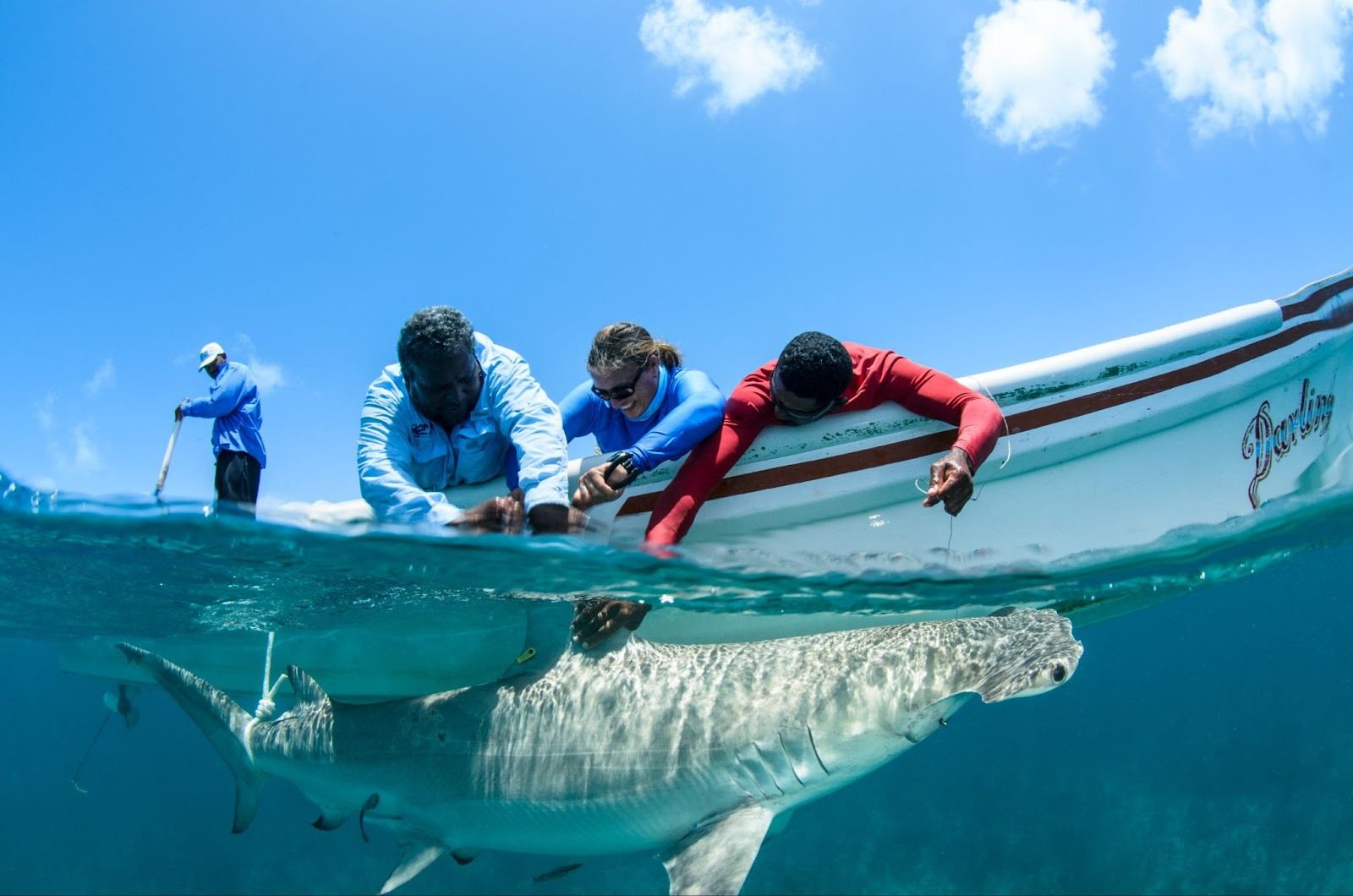
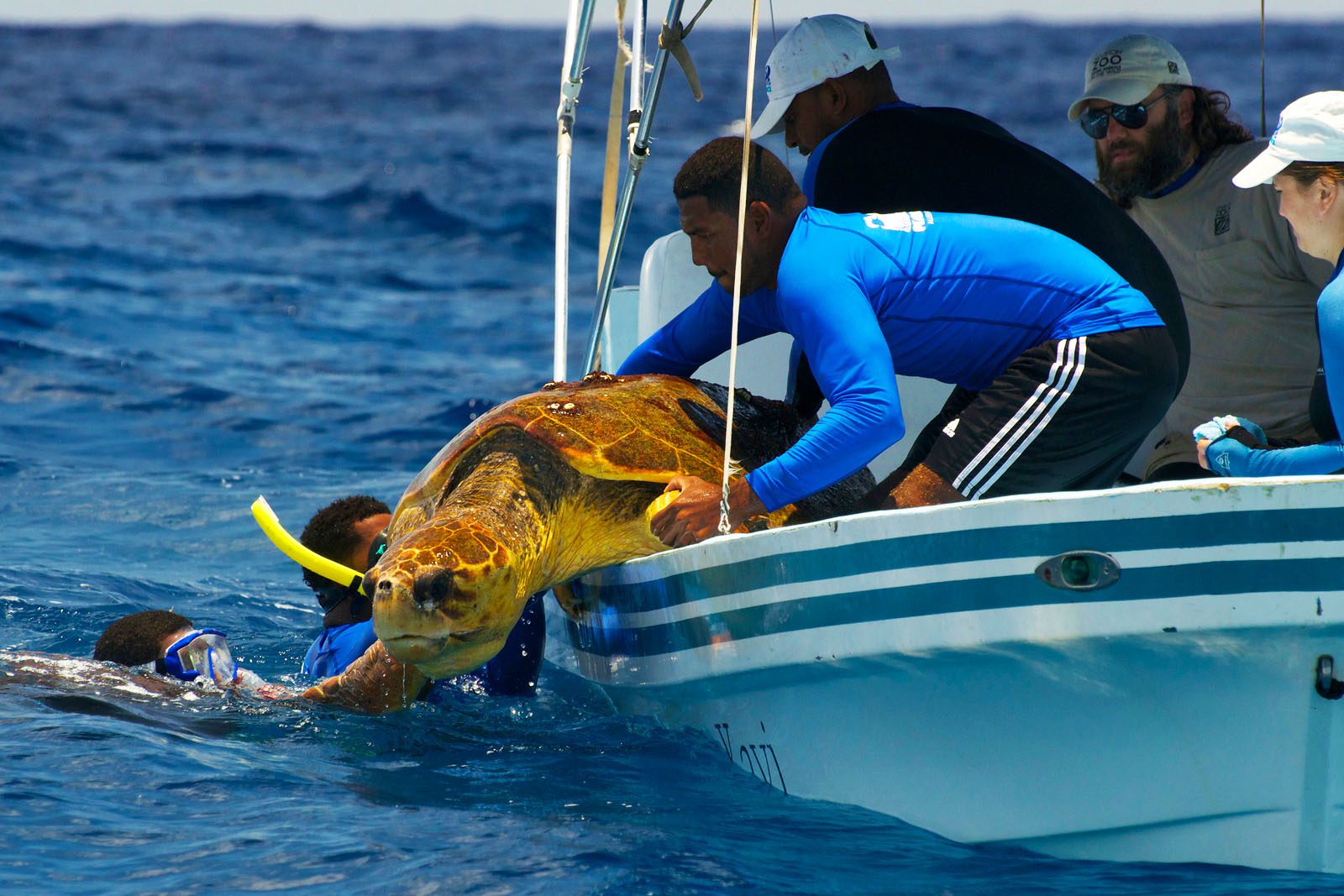
Communities like El Venado, where over 200 residents actively participate in conservation alongside marine experts, are central to this approach. By collaborating with locals, we can gather more accurate data on species populations, threats, and effective protective measures, fostering an authentic dialogue grounded in lived experience.
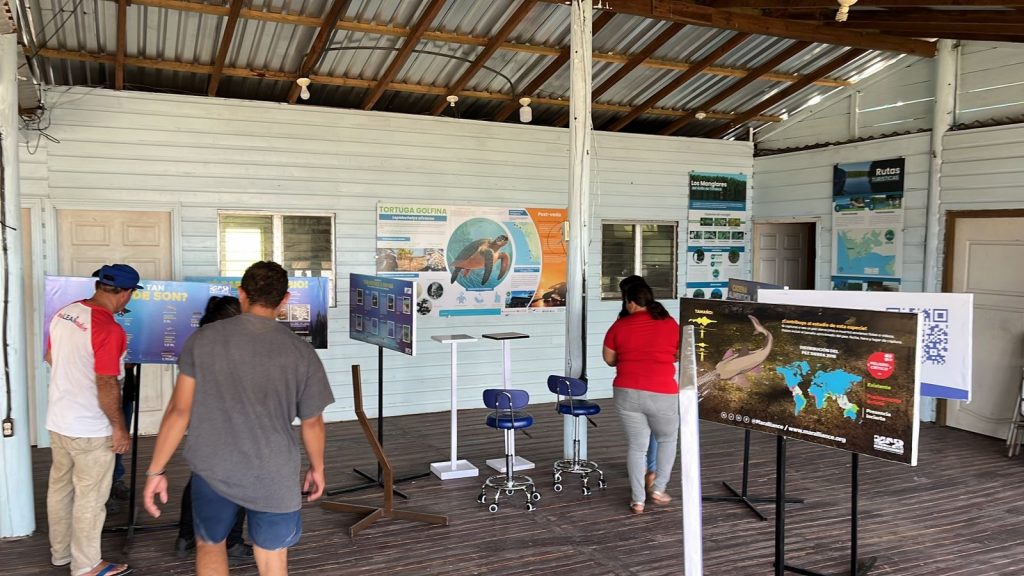
Coastal areas are also prime tourist destinations. Our exhibits offer visitors, especially those unfamiliar with the local environment, a chance to learn about their impact on marine ecosystems. By providing this knowledge, we encourage reflection and the adoption of sustainable practices during their stay.
For the residents, seeing the exhibit brought to their community was deeply moving. They engaged with scientific information about species they had grown up with—species they’ve watched gradually disappear.
At the heart of this mobile exhibit project is generating a connection between people and the marine life that cannot speak for itself. More importantly, it’s about empowering local communities to become active participants in conservation, sharing this knowledge with visitors, students, and tourists, and spreading the message of collective responsibility for the ocean.
Through these efforts, conservation is no longer an abstract idea—it becomes a shared, tangible experience, fostering environmental stewardship on both local and global scales.