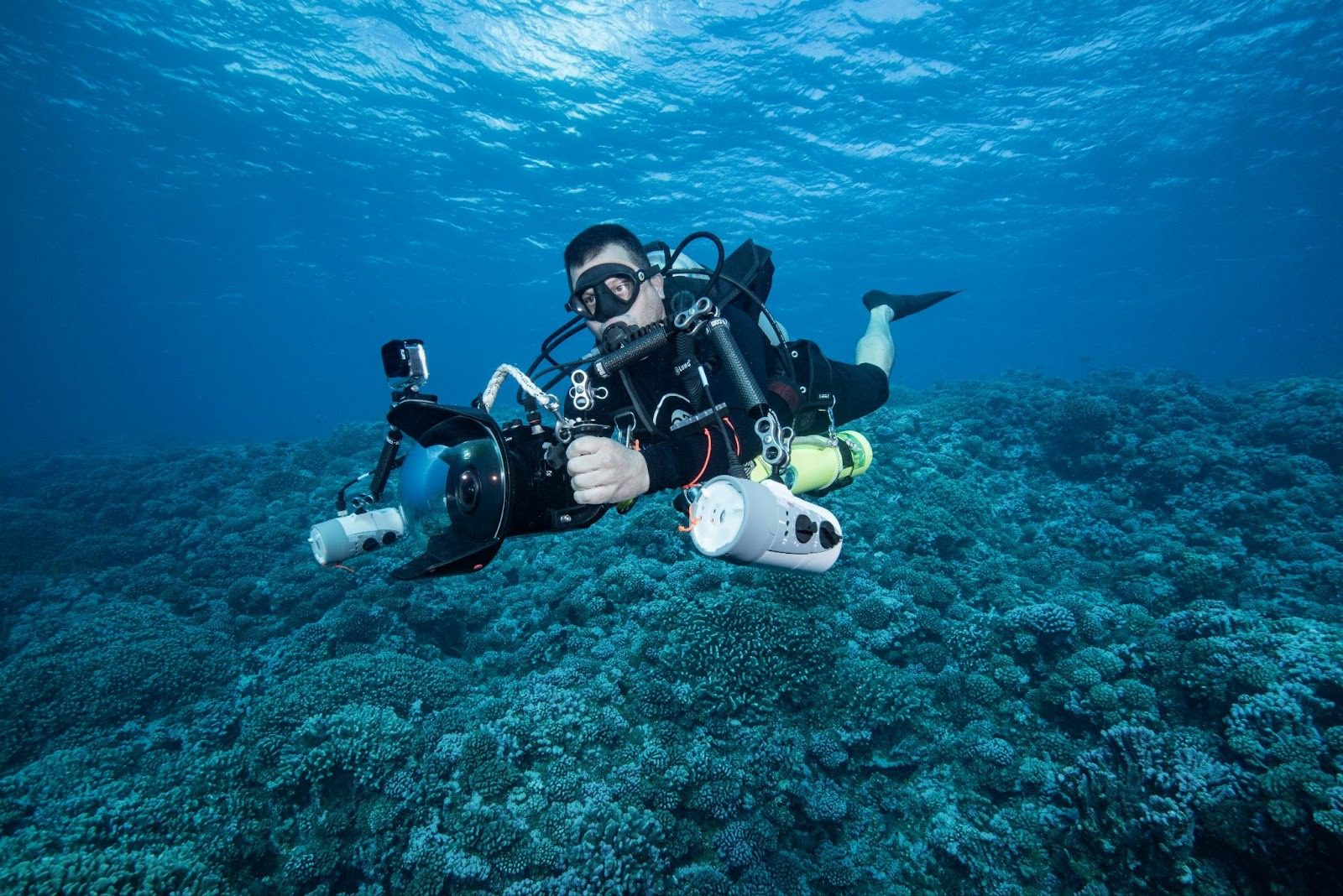
Each year on March 10, Mesoamerican Reef Day is celebrated across the region to recognize the extraordinary value of the Mesoamerican Reef, one of the most important coral reef systems in the world. This day serves as a reminder of the reef’s vital role in supporting marine life, protecting coastlines, and sustaining coastal communities throughout the Western Caribbean.
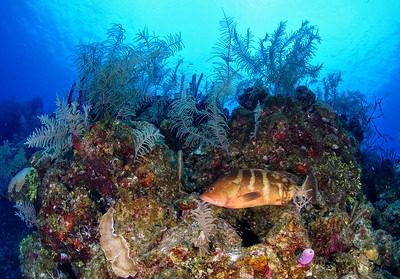
Often described as “the rainforests of the sea,” coral reefs are among the most biodiverse ecosystems on Earth. Although they cover less than 1% of the ocean floor, they support approximately 25% of all marine species, providing essential habitat, food sources, and breeding grounds for countless organisms. Coral reefs also deliver invaluable ecosystem services, including buffering shorelines from storms and wave action and supporting fisheries that sustain millions of livelihoods worldwide.
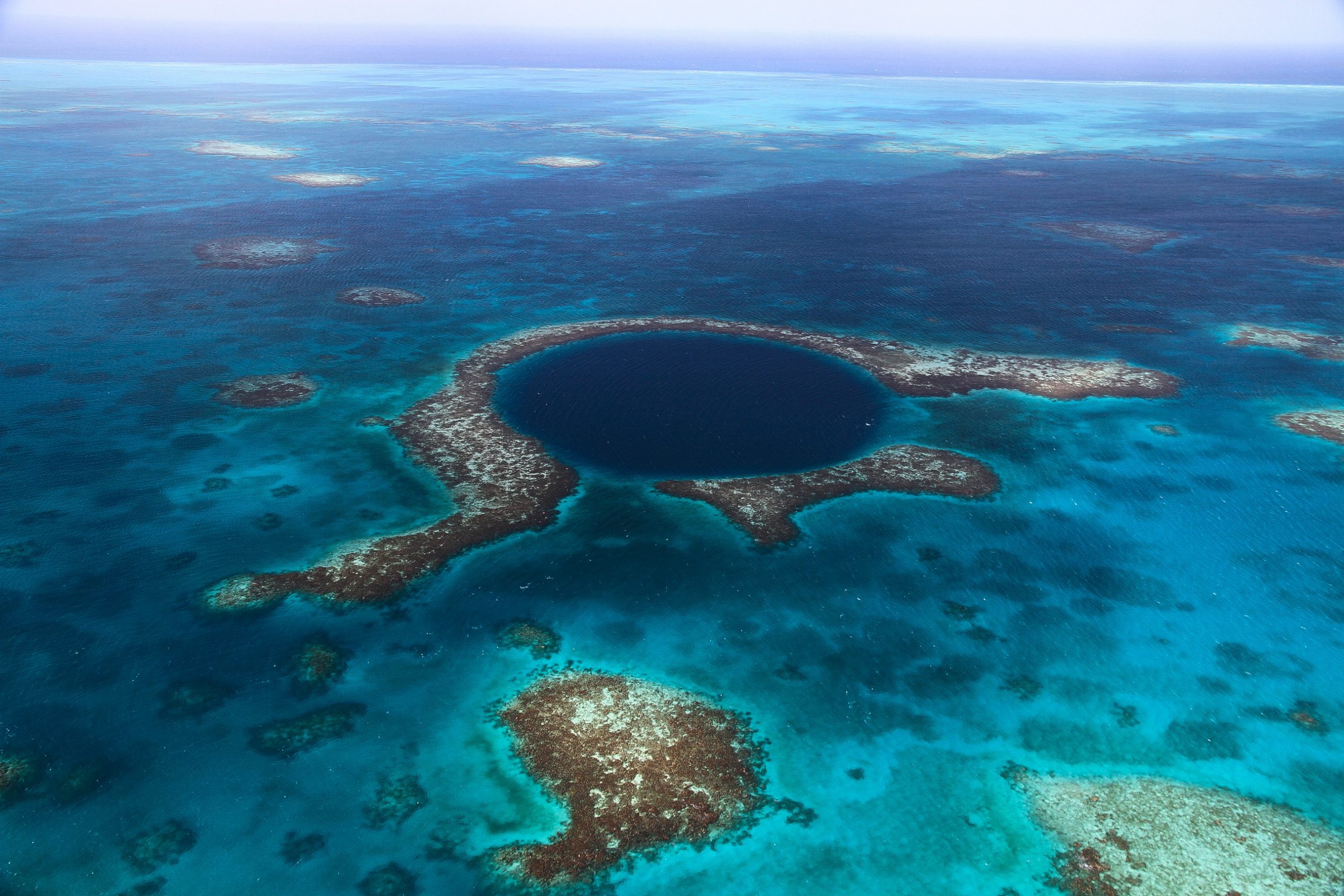
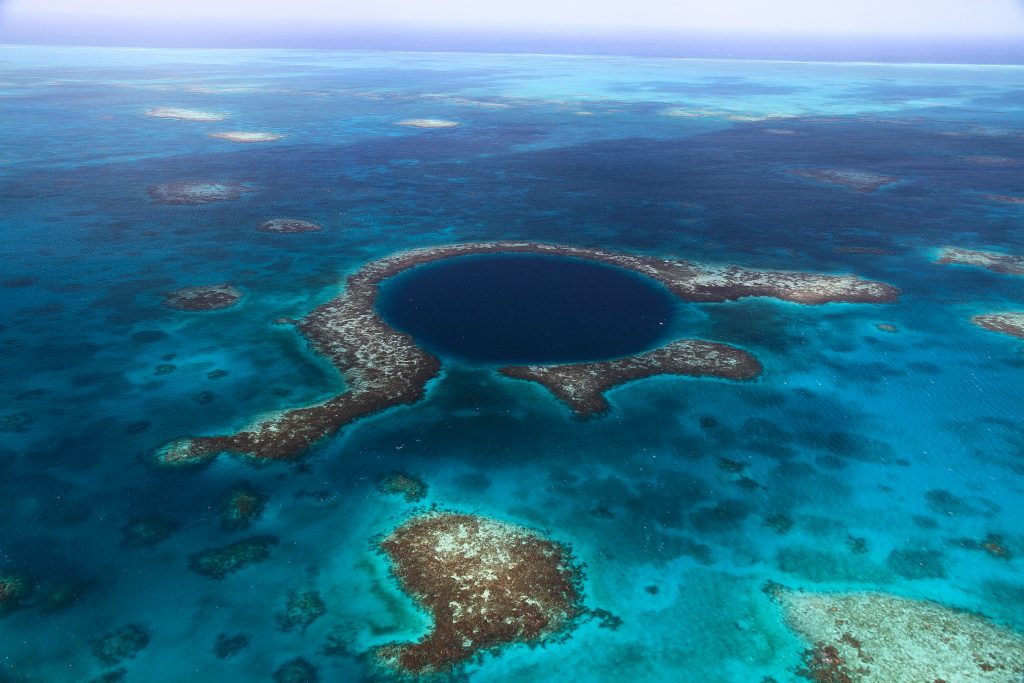
At the heart of this global natural heritage lies the Mesoamerican Reef, the largest transboundary reef system in the Western Hemisphere and the second largest barrier reef in the world, after Australia’s Great Barrier Reef. Stretching across Mexico, Belize, Guatemala, and Honduras, this extraordinary reef system is a cornerstone of regional and global marine conservation. Belize contains the most ecologically productive and best-preserved portion of the Mesoamerican Reef, making it a critical stronghold for marine biodiversity and a living laboratory for science-based conservation.
A Reef Sustained by Ecological Balance
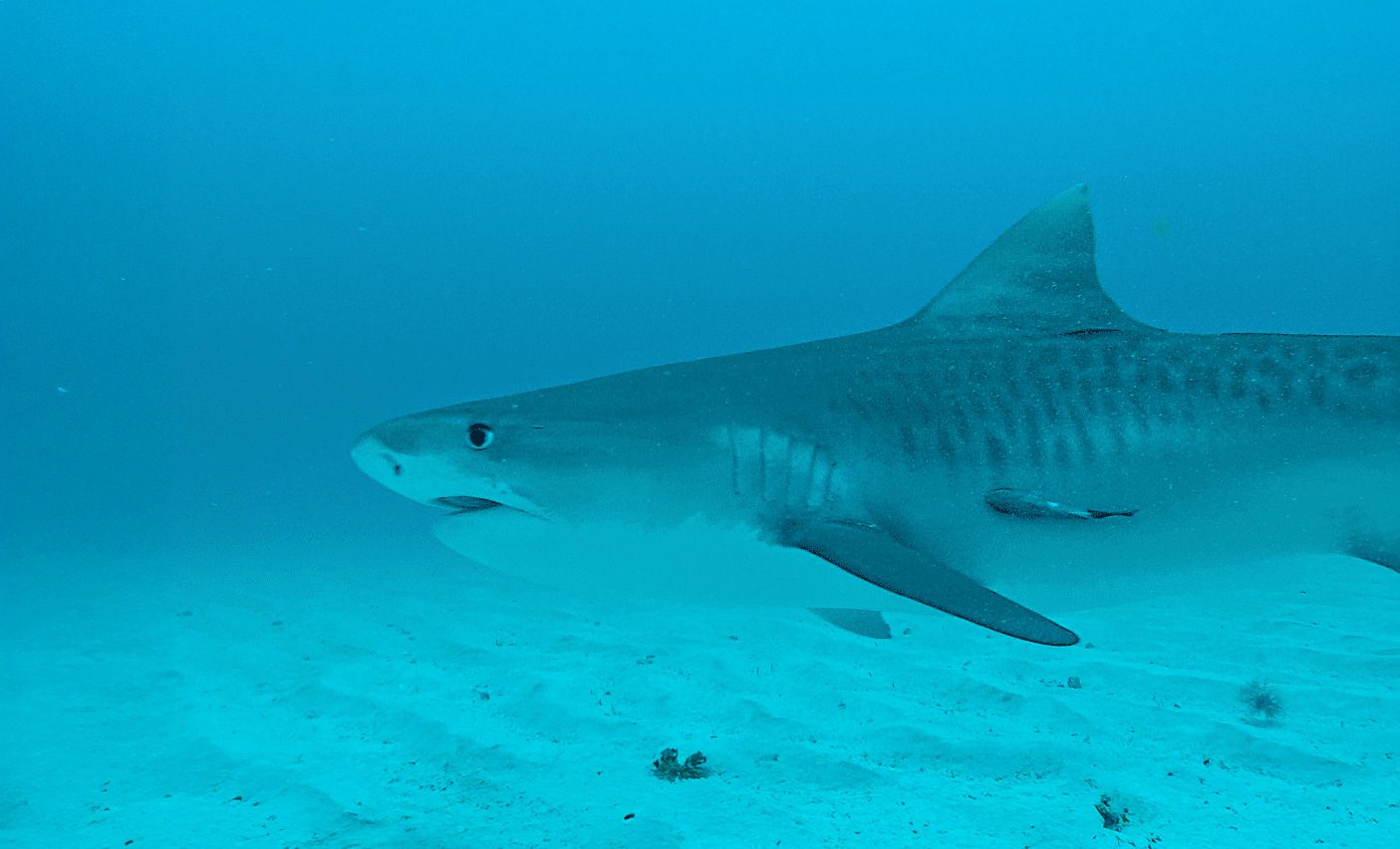
Belize’s marine ecosystems are rich in life, with many species playing important roles at different levels of the food chain. Herbivorous fish, such as angelfish and parrotfish, help maintain coral health by grazing algae that would otherwise smother reef-building corals. Predatory species, including groupers and sharks, regulate prey populations and help maintain a balanced and resilient food web.
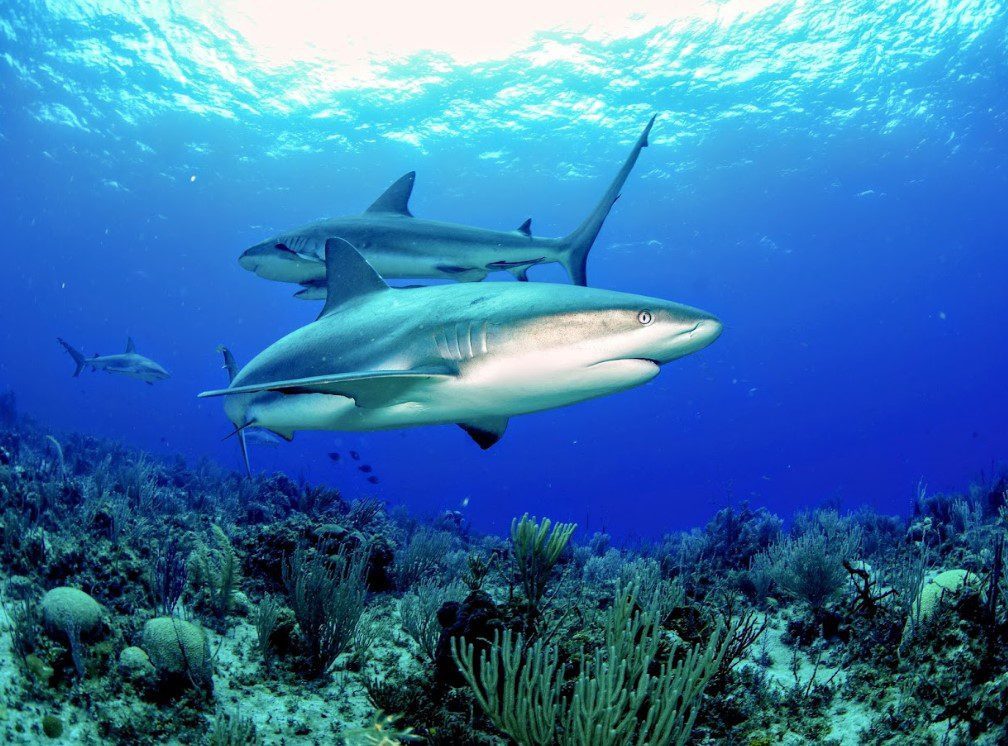
The presence of robust populations of high level predators is a key indicator of reef health. Their abundance demonstrates that the Mesoamerican Reef can support its full complement of biodiversity. In addition, coral reefs, seagrass beds, and mangroves form interconnected habitats that serve as nursery grounds for commercially and ecologically important species, underscoring the reef’s role in sustaining both ecological integrity and economic stability.
Protecting these ecosystems is therefore essential not only for marine life, but also for the coastal communities that depend on healthy reefs for food security, shoreline protection, and income.
How MarAlliance Supports Reef Conservation
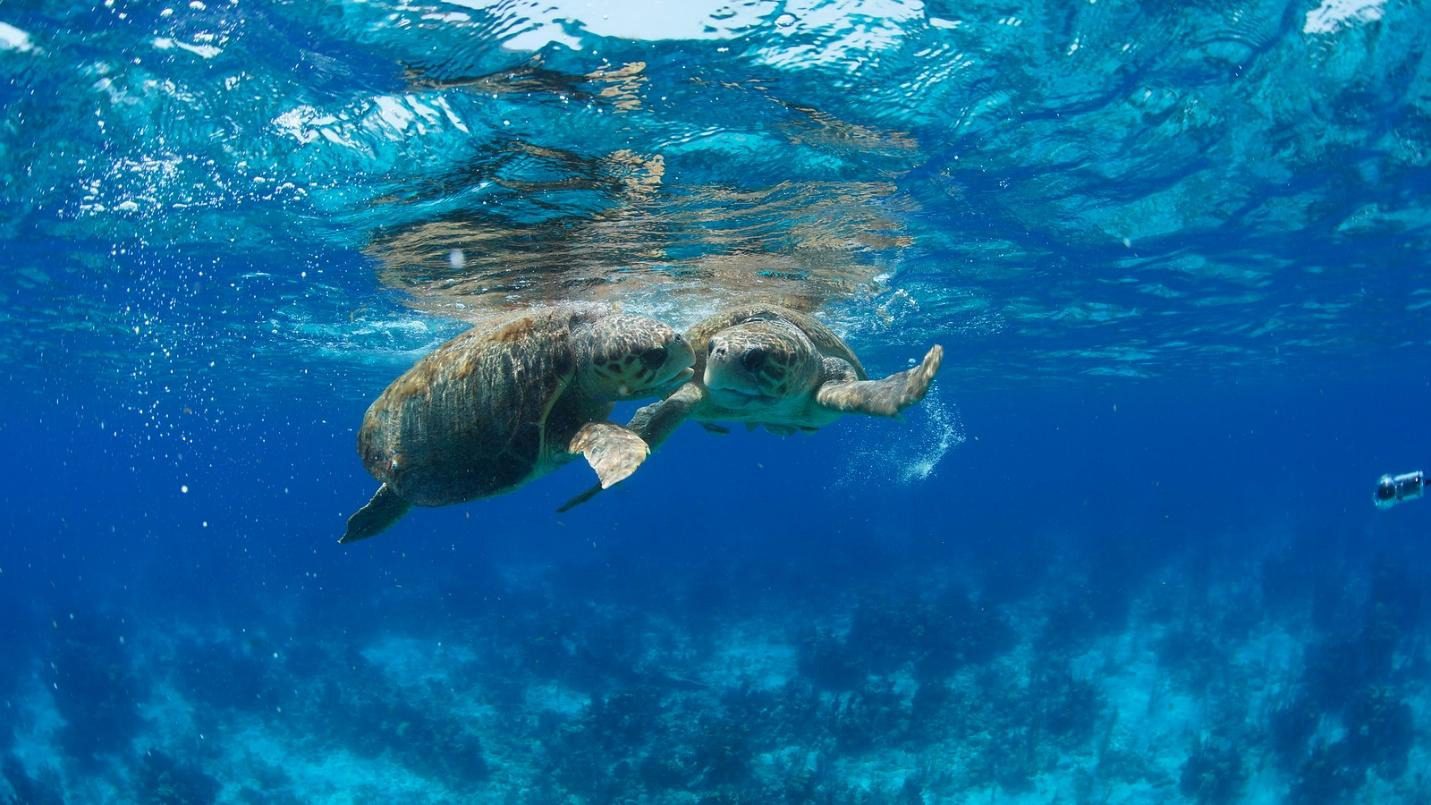
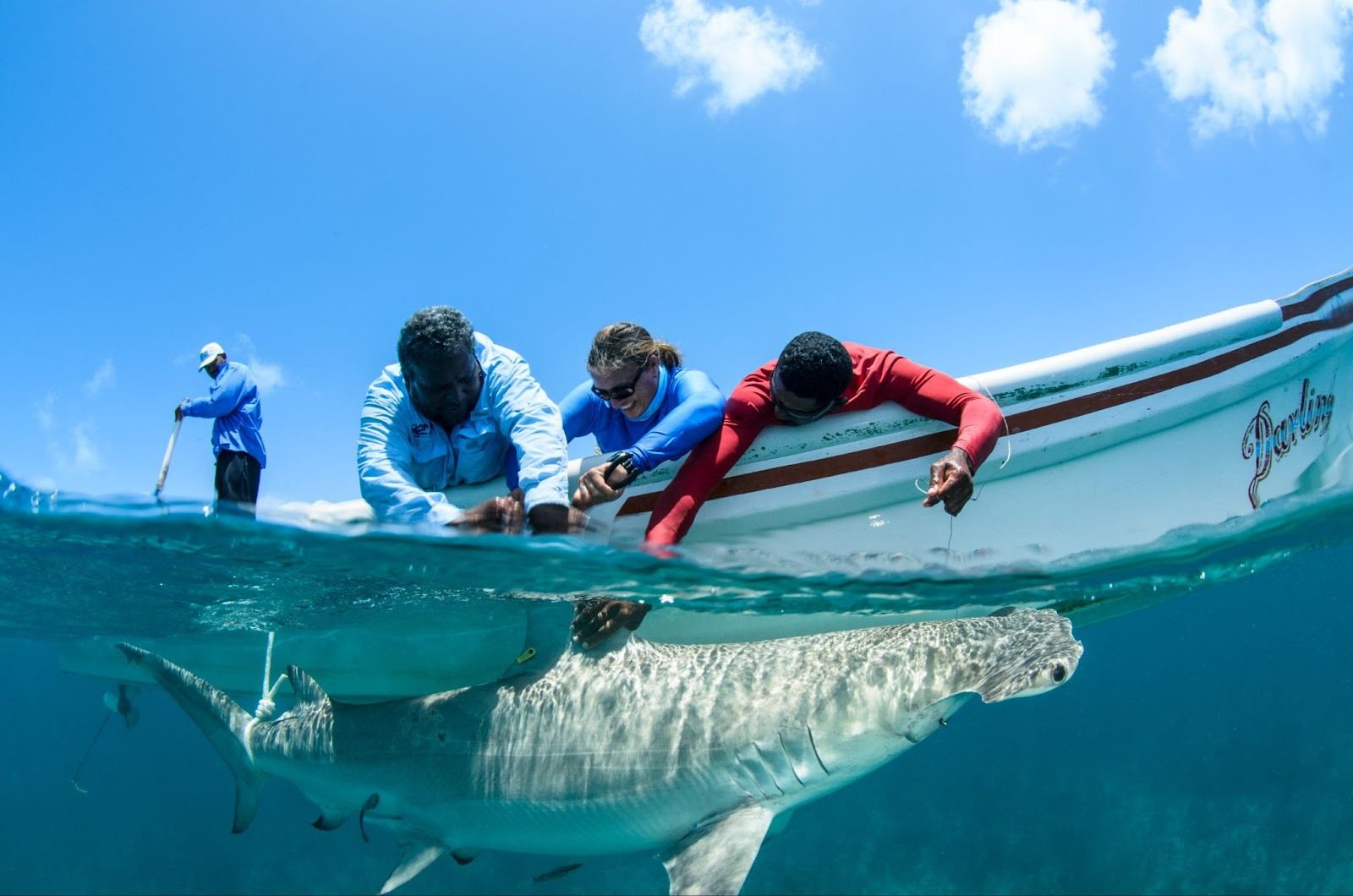
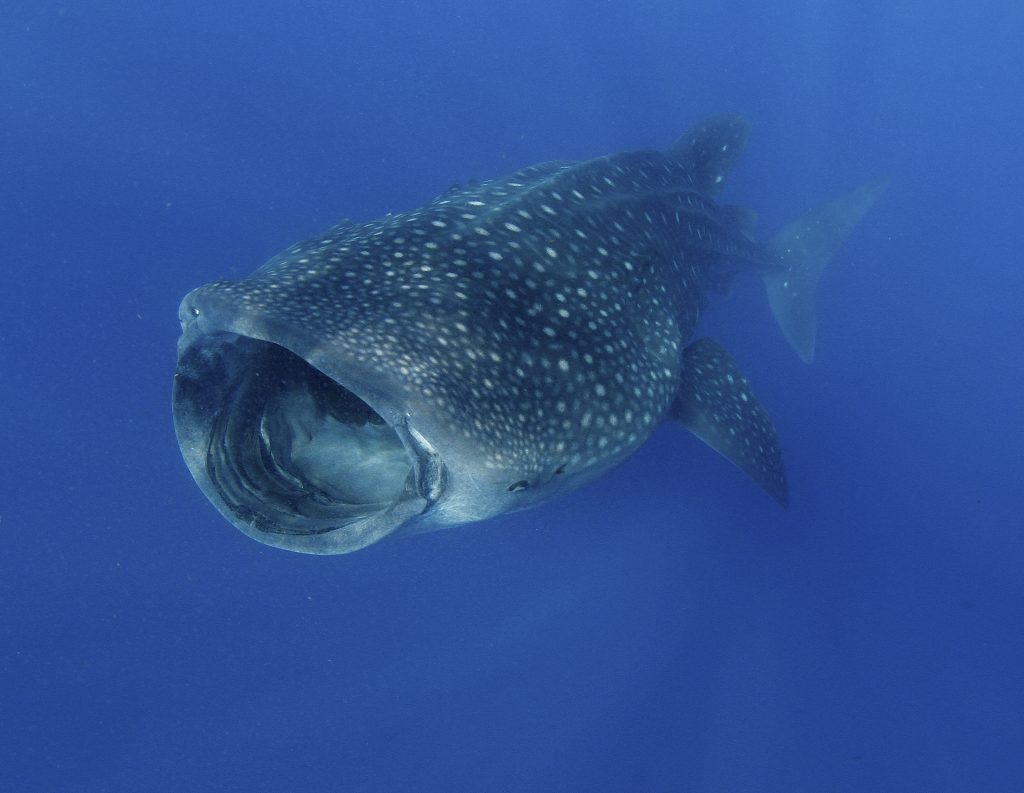
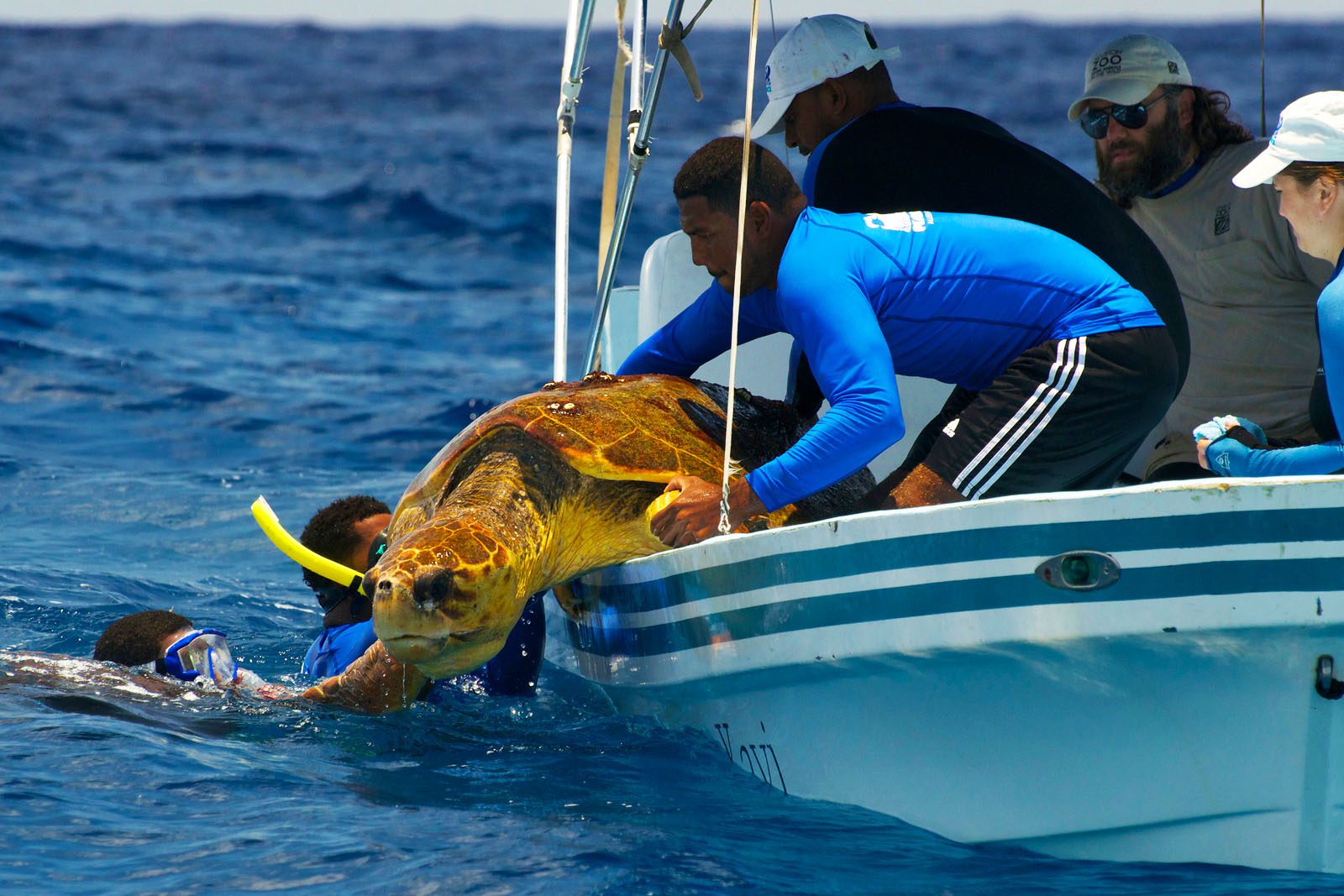
AtMarAlliance, protecting the Mesoamerican Reef is driven by rigorous scientific research, long-term monitoring, and community engagement. A central focus of this work is the study of large, threatened marine species, including sharks, rays, sea turtles, and finfishes important to local fisheries
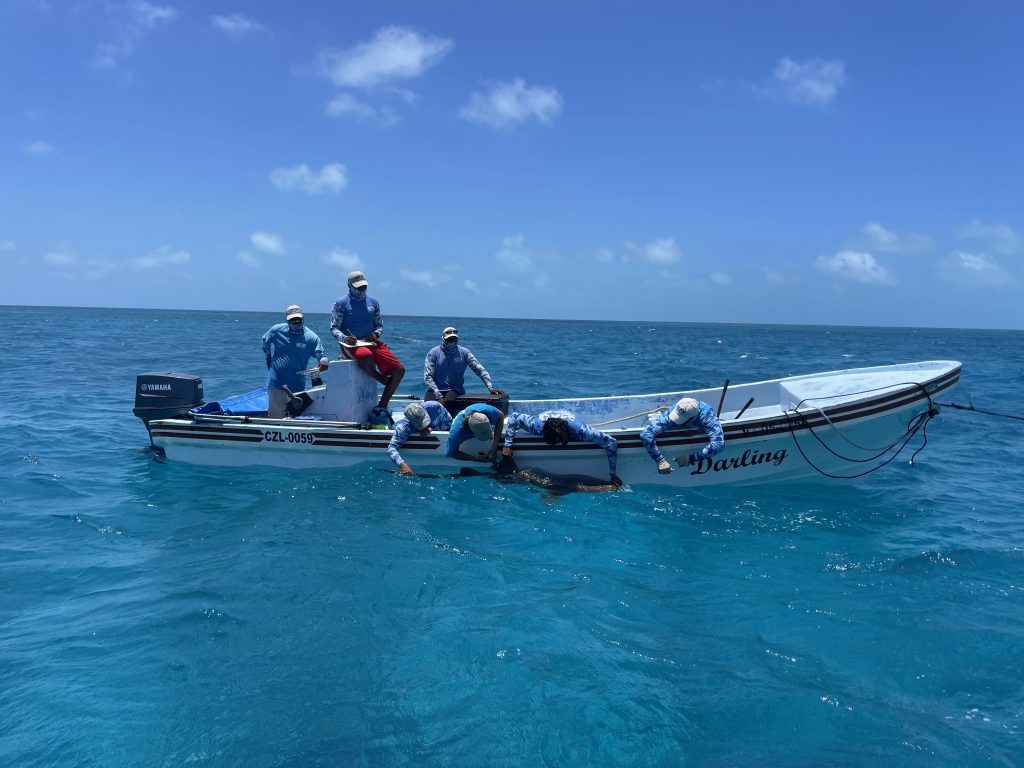
With the support of both private and institutional donors, such as the Belize Fund for a Sustainable Future (Belize Fund), these initiatives monitor the abundance, distribution, and behavior of reef-associated fish and marine megafauna across multiple sites in Belize. The data collected establishes critical baselines for assessing reef biodiversity, productivity, and resilience over time. This information supports evidence-based management and conservation planning, helping ensure that reef ecosystems remain healthy and functional in the face of growing environmental pressures.
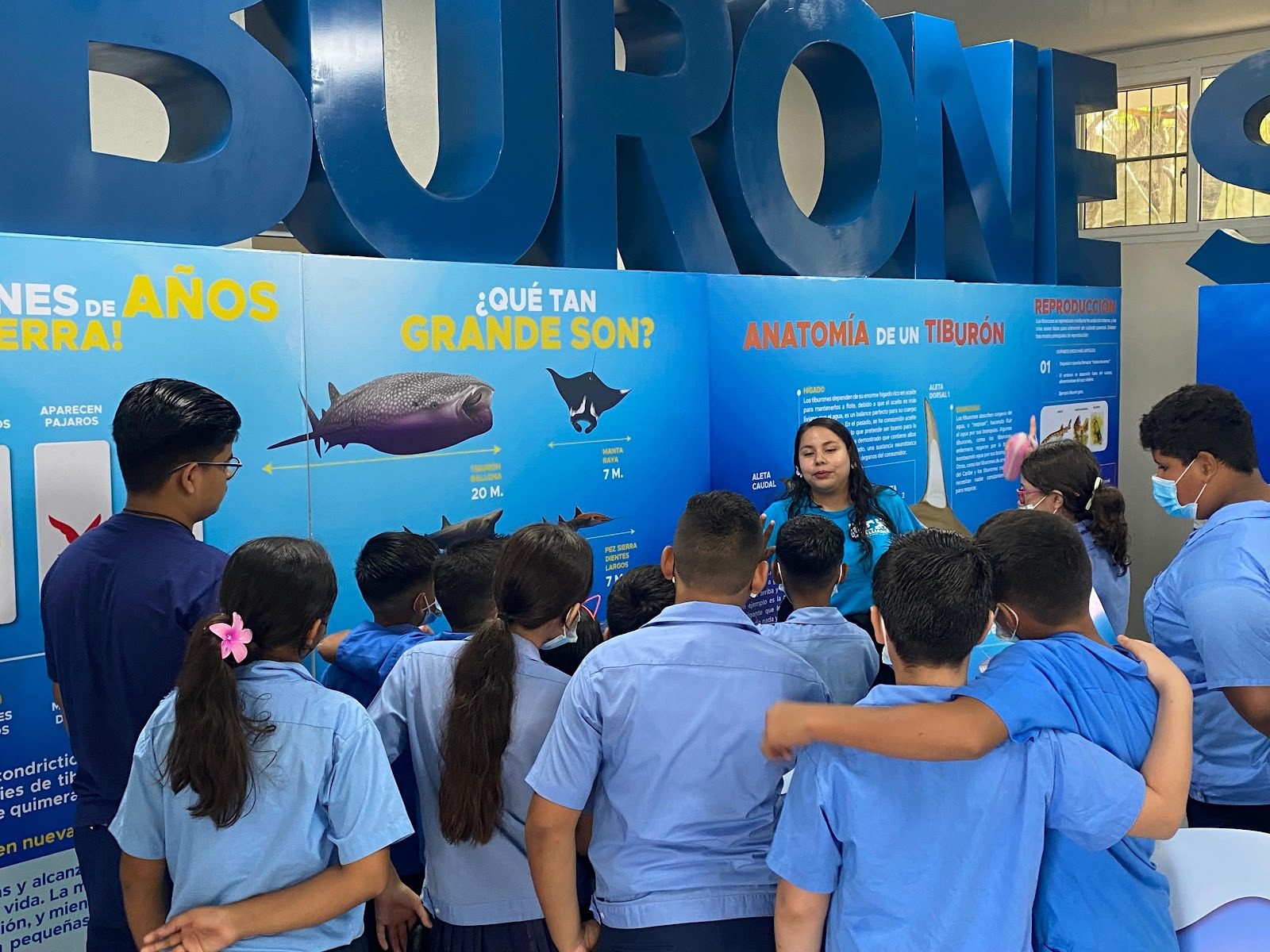
MarAlliance’s work extends beyond data collection. By partnering with local communities, fishers, and stakeholders, the organization promotes shared stewardship of marine resources and ensures that conservation strategies are practical, inclusive, and locally relevant.
Global Significance and Conservation Successes
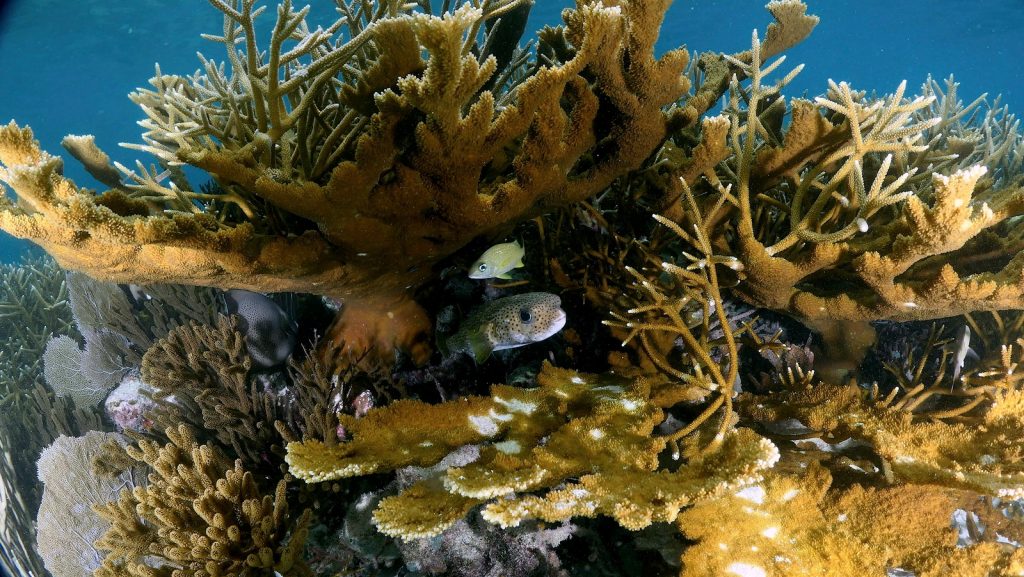
While Belize’s reefs are locally invaluable, their importance reaches far beyond national borders. Healthy coral reefs contribute to carbon sequestration, reduce coastal erosion, and support fisheries that provide critical protein sources to millions of people across the Caribbean. They are also fundamental to tourism, one of Belize’s primary economic drivers.
Conservation successes such as the establishment of marine reserves and the expansion of long-term monitoring programs demonstrate how science-based management can protect reef biodiversity while sustaining human benefits. MarAlliance’s efforts exemplify the powerful link between research, community engagement, and durable conservation outcomes, highlighting that reef protection is both an ecological necessity and a socio-economic imperative.
Protecting the Reef Is a Shared Responsibility
From vibrant coral gardens to apex predators that maintain ecological balance, the Mesoamerican Reef represents the delicate interconnectedness of life beneath the waves. Protecting this biodiversity hotspot is essential not only for the species it supports, but also for the people, cultures, and economies that depend on a healthy ocean.
Through continued research, monitoring, and education, MarAlliance is committed to safeguarding Belize’s reefs healthy and thriving. But conservation is not something we can do alone. By learning about marine conservation, supporting science-based efforts, and making ocean-friendly choices, each of us can help ensure that the Mesoamerican Reef continues to thrive today and for generations to come.