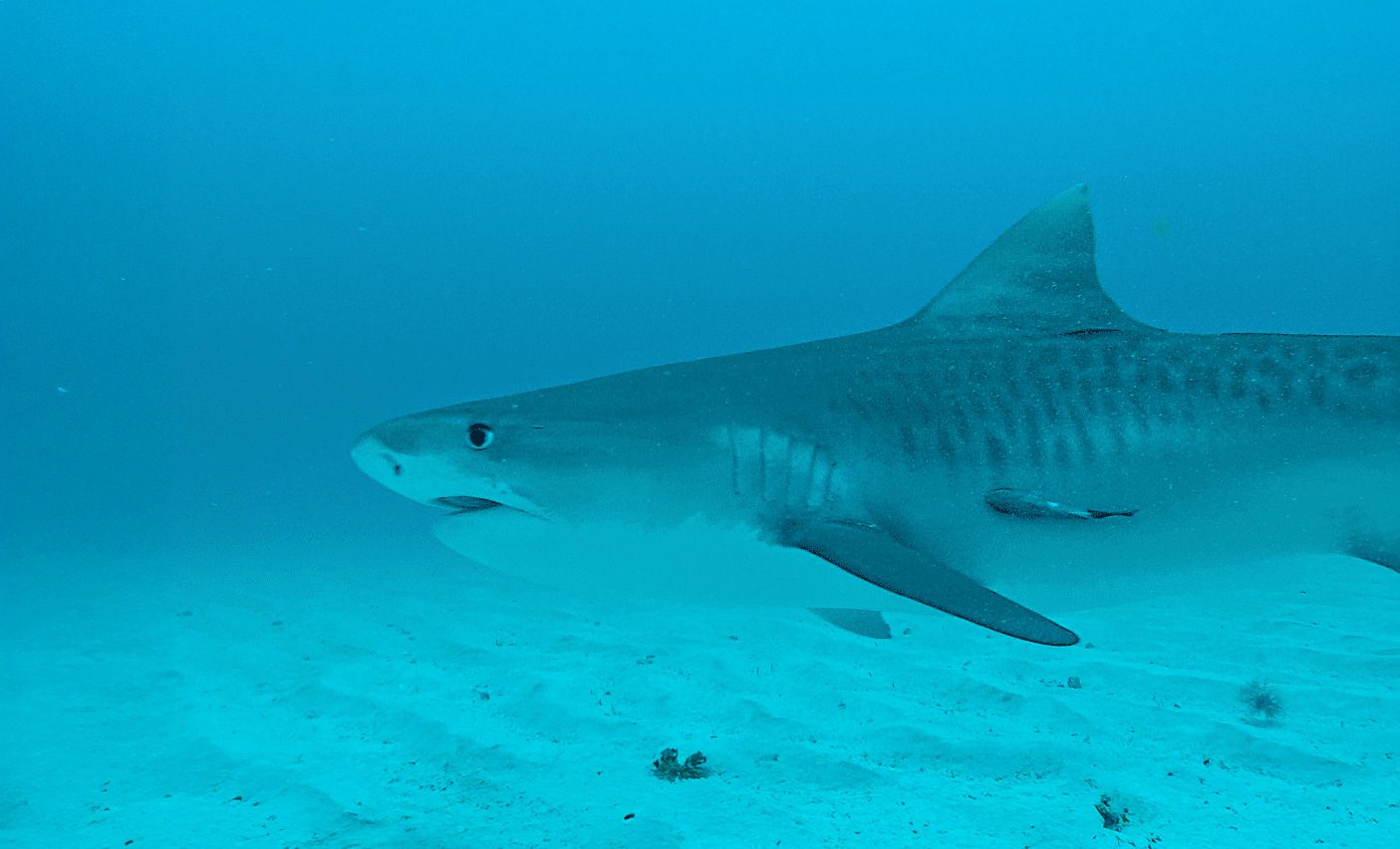
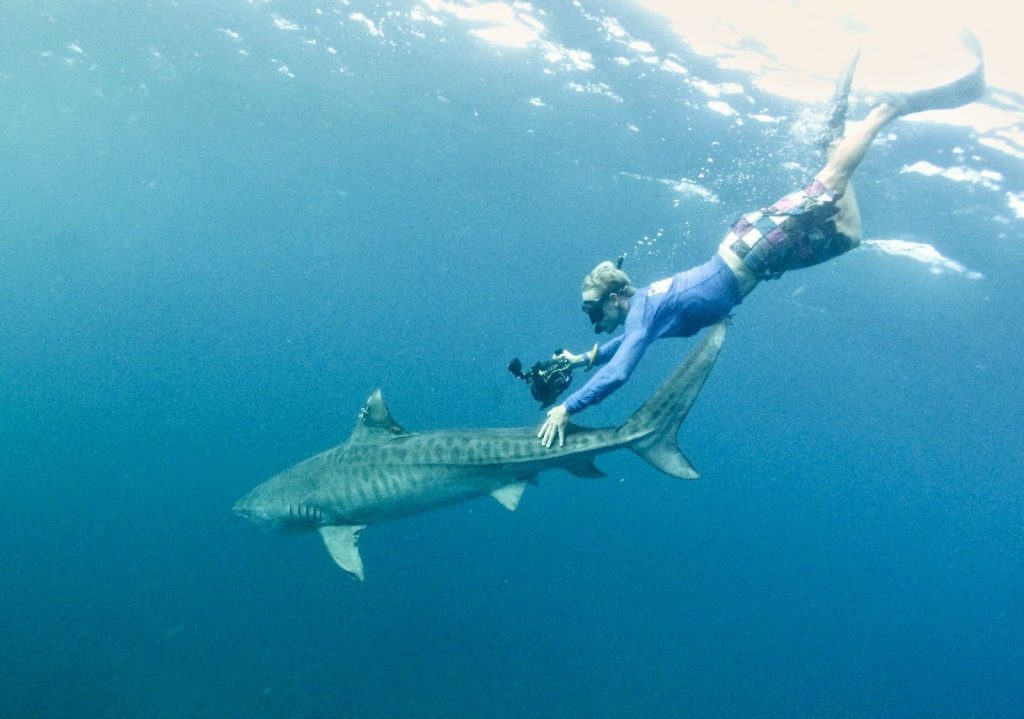
The waters around Cabo Verde’s eastern islands have long held secrets. Local fishermen have reported encounters with tiger sharks (Galeocerdo cuvier), but until recently, the significance of this remote archipelago for one of the ocean’s top predators remained unknown.
Five years of fieldwork by MarAlliance researchers has revealed Cabo Verde as a vital habitat for tiger sharks throughout their life cycle. Our work also documented one of the most extraordinary shark migrations ever recorded: a full round-trip across the Atlantic Ocean spanning nearly 18,000 kilometers.
An Epic Atlantic Journey
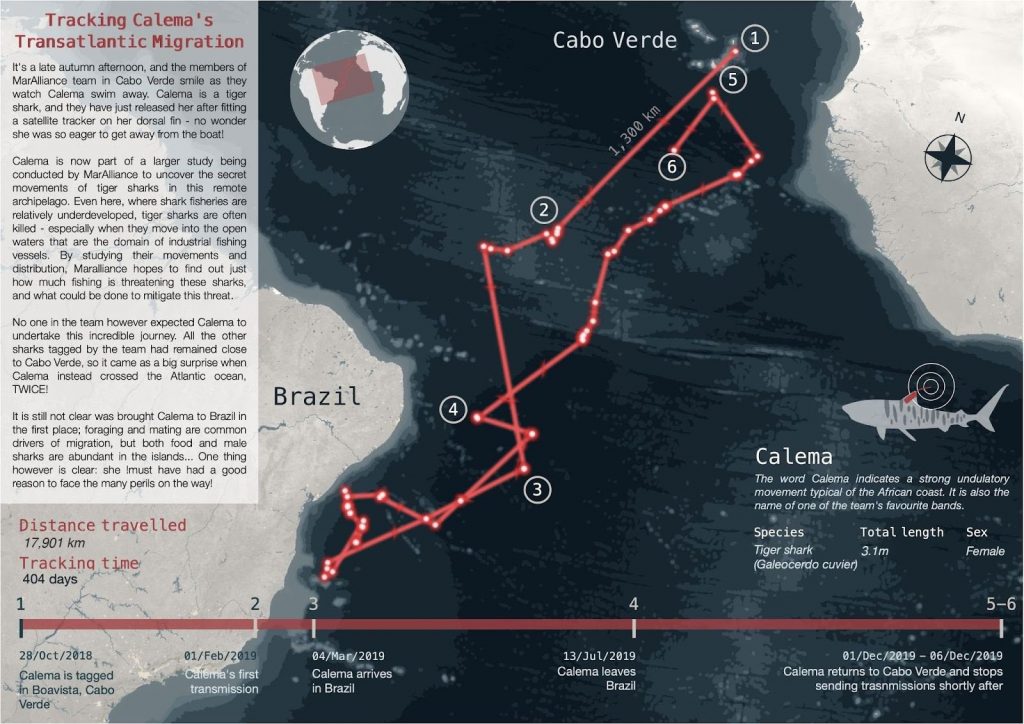
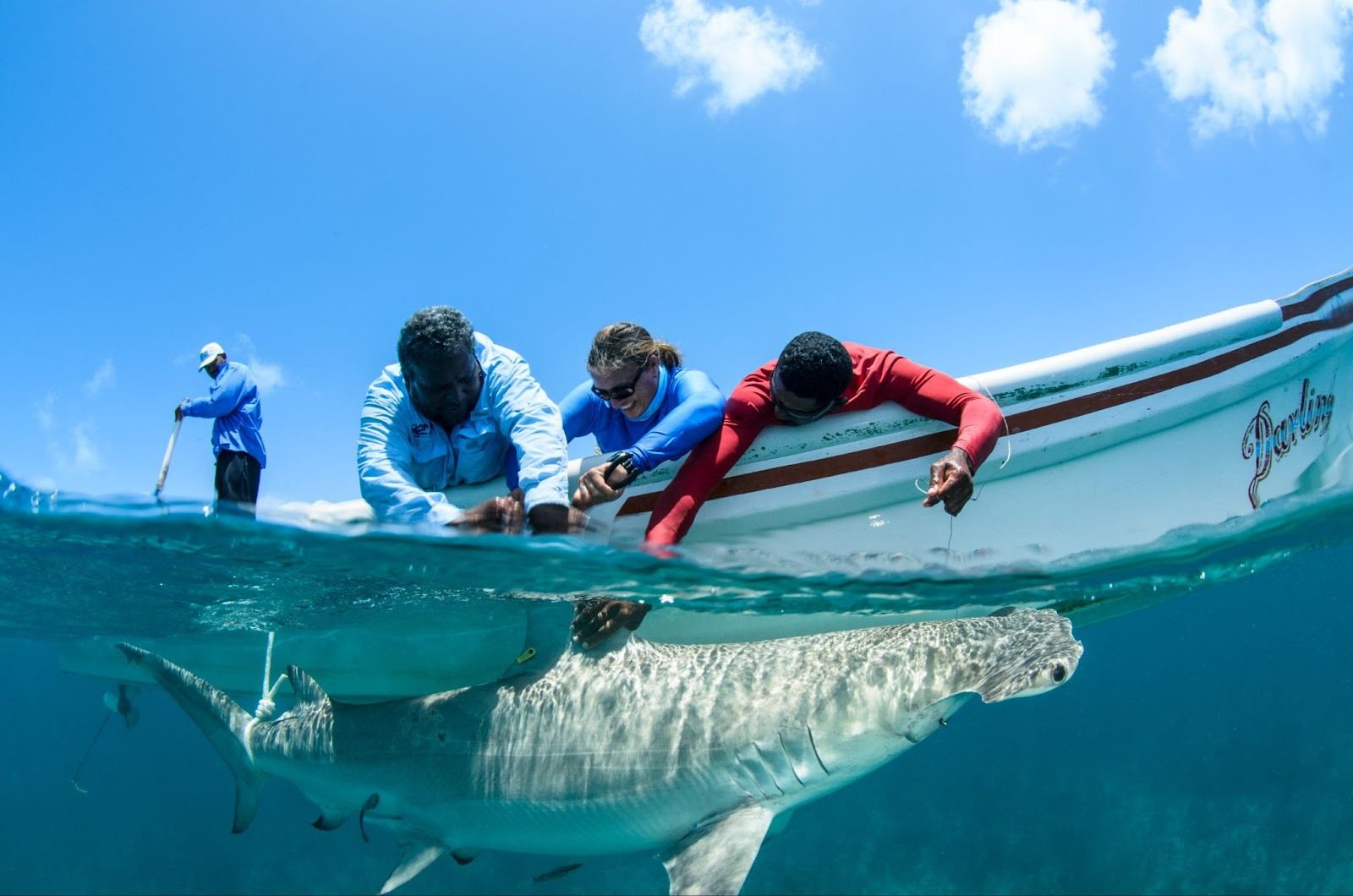
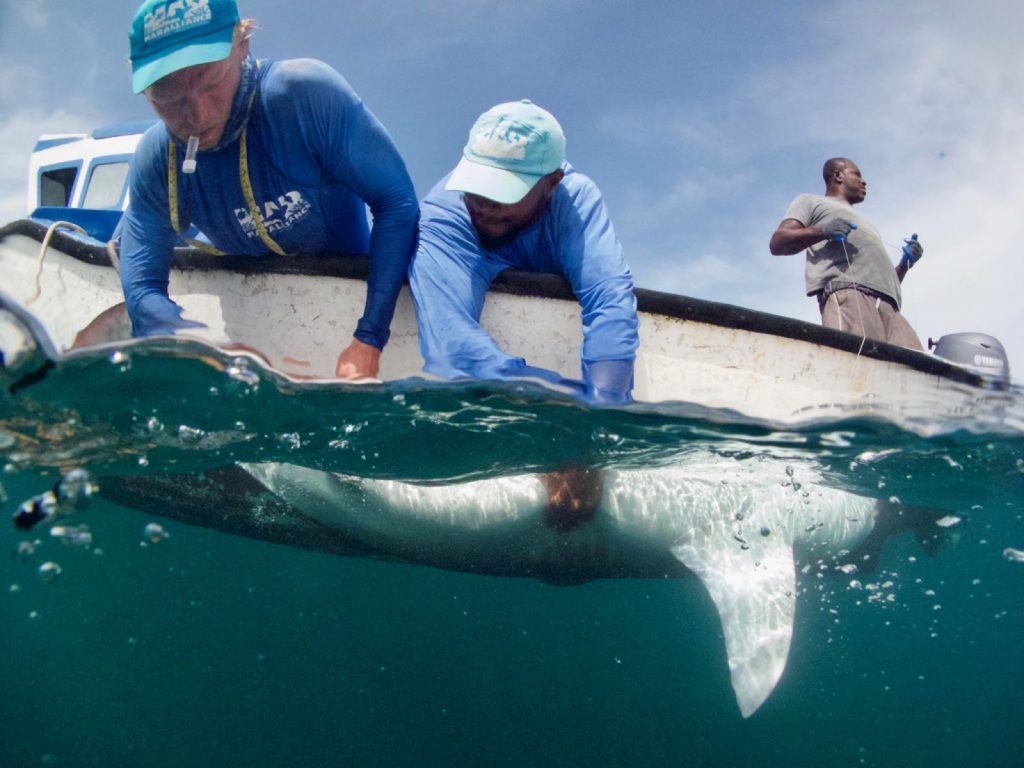
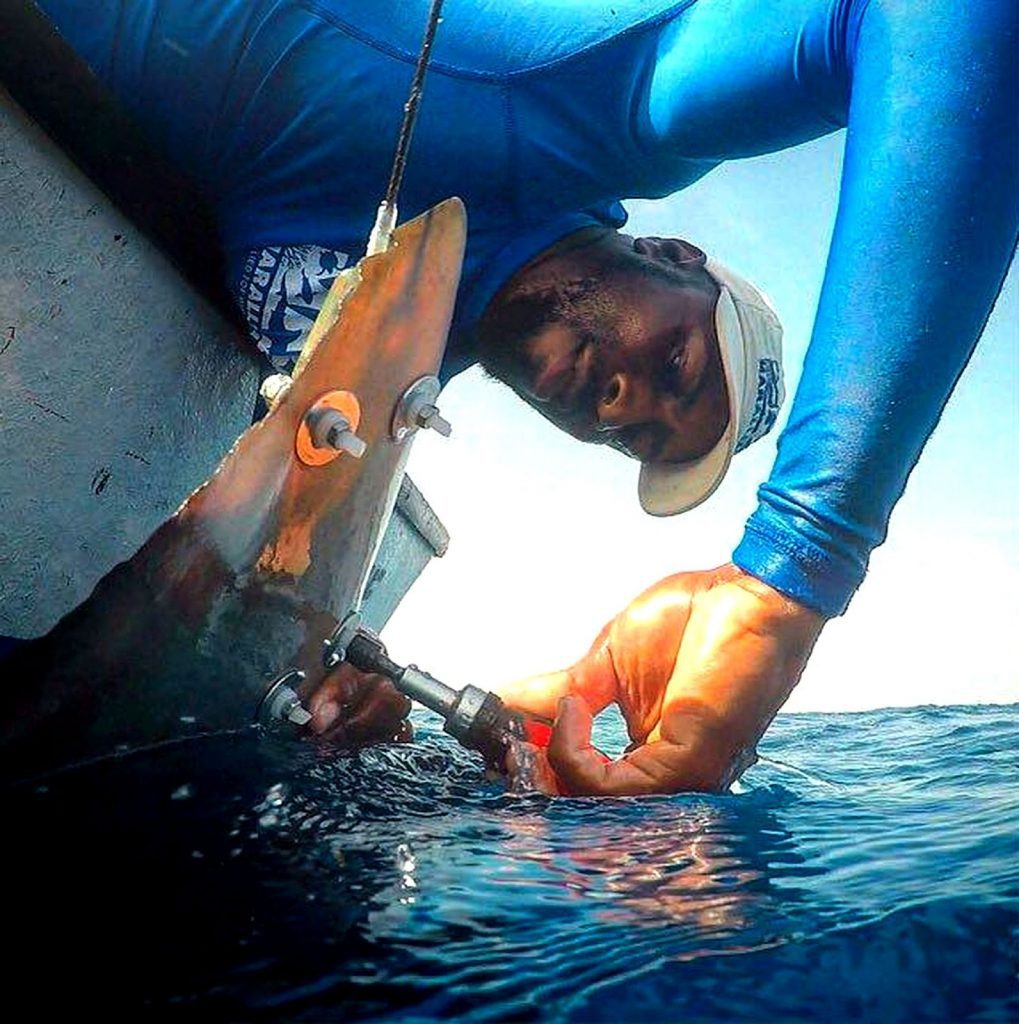
In October 2018, our team tagged a 3.1-meter female tiger shark off Boavista Island. The tag went silent, raising fears something had gone wrong – until February 2019, when it transmitted near the Mid-Atlantic Ridge. The shark continued southwest to Brazil, spending nearly two months near Salvador before returning in stages to Cabo Verde by November 2019.
This 17,901-kilometer journey is the second-longest recorded tiger shark movement globally and the first documented double transatlantic crossing. It confirms the long-suspected link between eastern and western Atlantic tiger shark populations.
Satellite tracking of 11 other sharks revealed variable movement patterns. Eight sharks of both sexes remained near their tagging sites, highlighting core habitats around Cabo Verde’s eastern islands of Boavista, Sal, and Maio. Two ventured toward continental Africa, including one female that reached the Guinea Plateau before moving offshore. Such differences mean that tiger sharks face threats that vary according to their life stage and behavior.
A Population Across All Life Stages
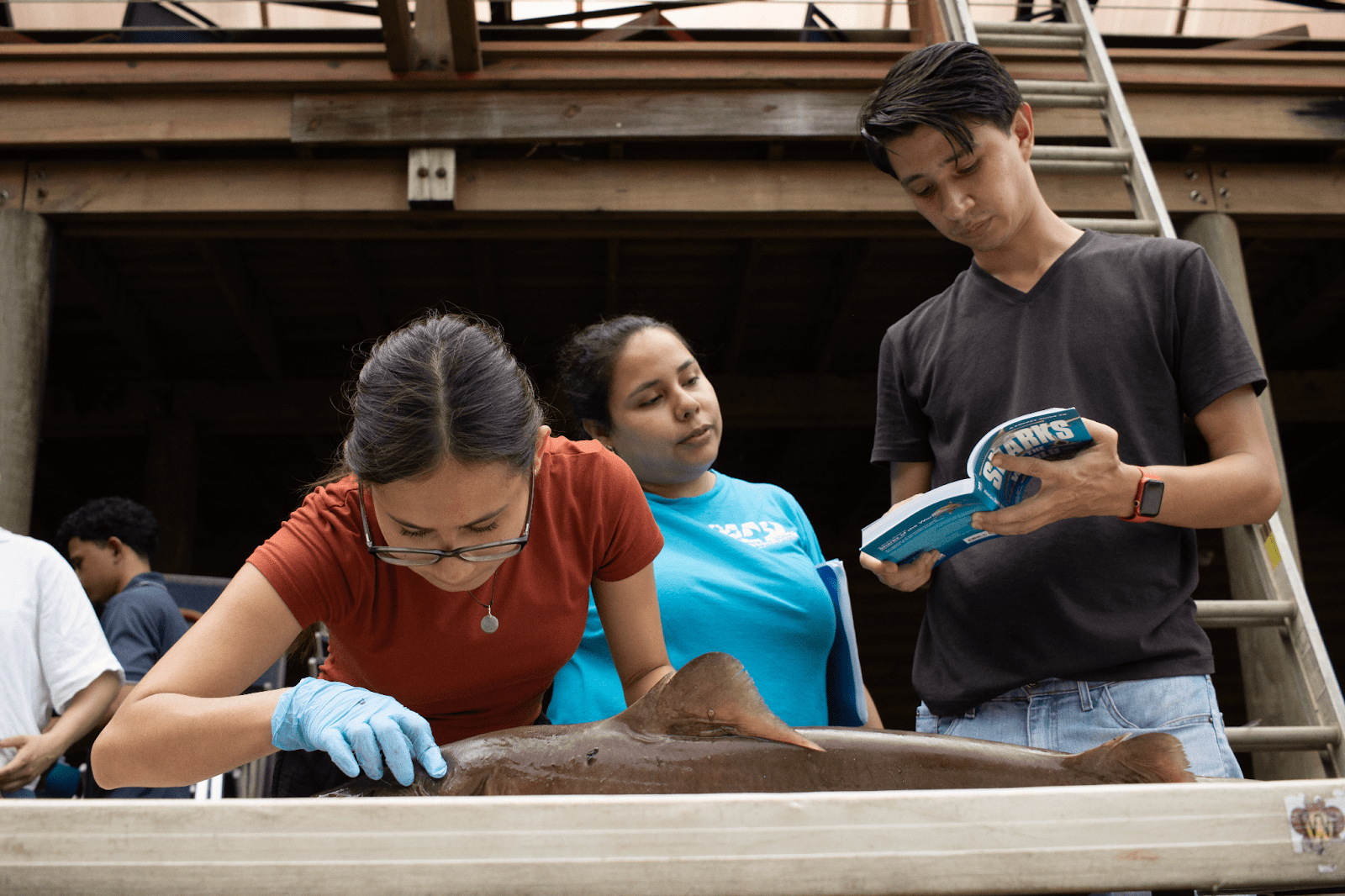
Between 2016 and 2019, systematic surveys around Sal, Boavista, and João Valente reef showed a stable population of tiger sharks, including juveniles, subadults, and adults. Interestingly, a sex-based distribution emerged: Boavista had a slight female majority (56%), while Sal’s catches were predominantly male (88%). This suggests that different islands play distinct ecological roles for different segments of the population.
A Growing Threat: Unregulated Fishing
Historically, shark fisheries in Cabo Verde were limited, but pressure is increasing. In 2018, 70% of fishermen reported declines in shark populations over the previous decade. Tiger sharks are caught by local fishers, with meat sold or used as bait, and fins entering the international trade via Senegal.
Foreign vessels pose a greater threat, with documented cases of live sharks found finned and discarded. Tiger sharks that venture into international waters face yet another challenge. Those moving south of Cabo Verde or outside the Brazilian EEZ encounter large-scale industrial fishing operations throughout the Atlantic.
Cabo Verde: A Critical Conservation Hub
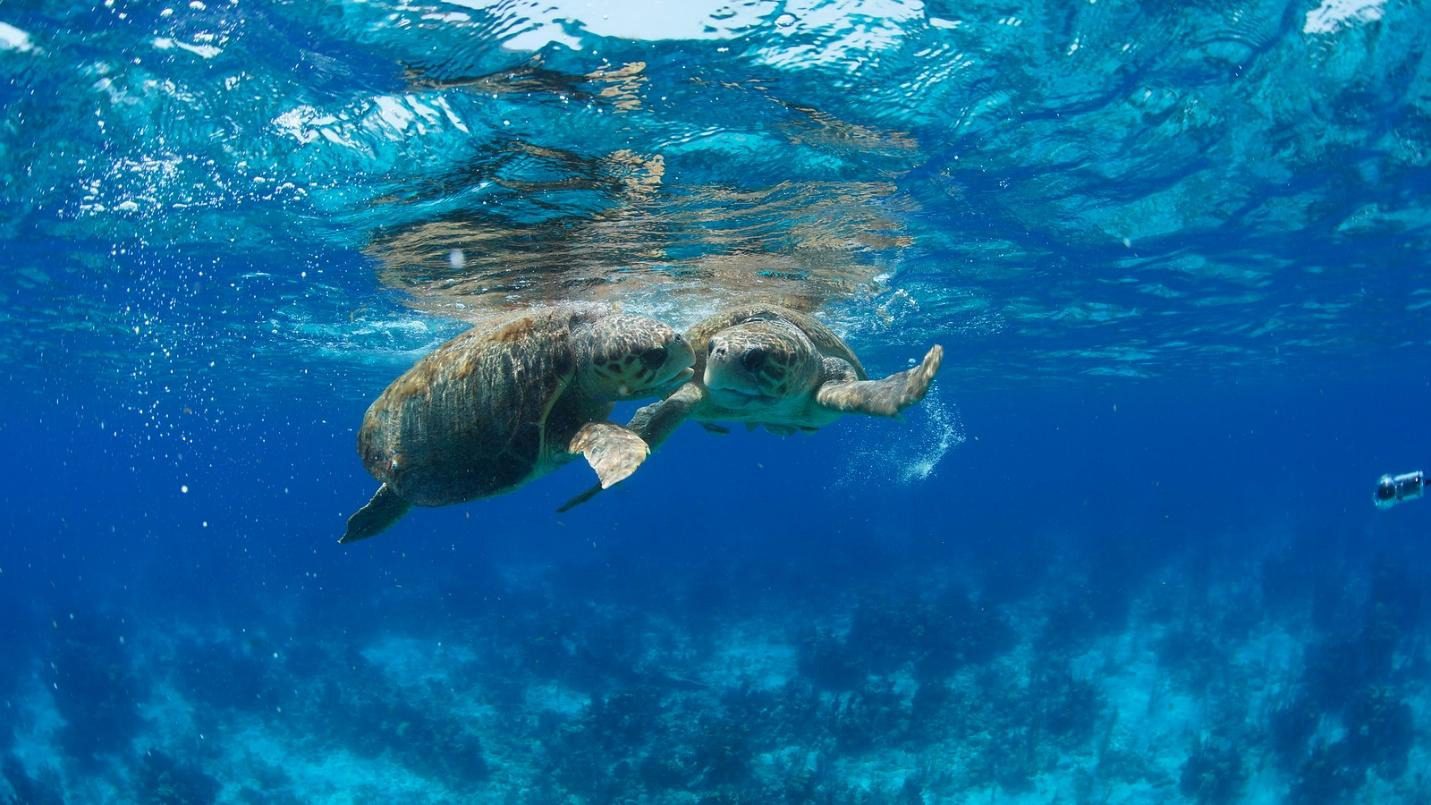
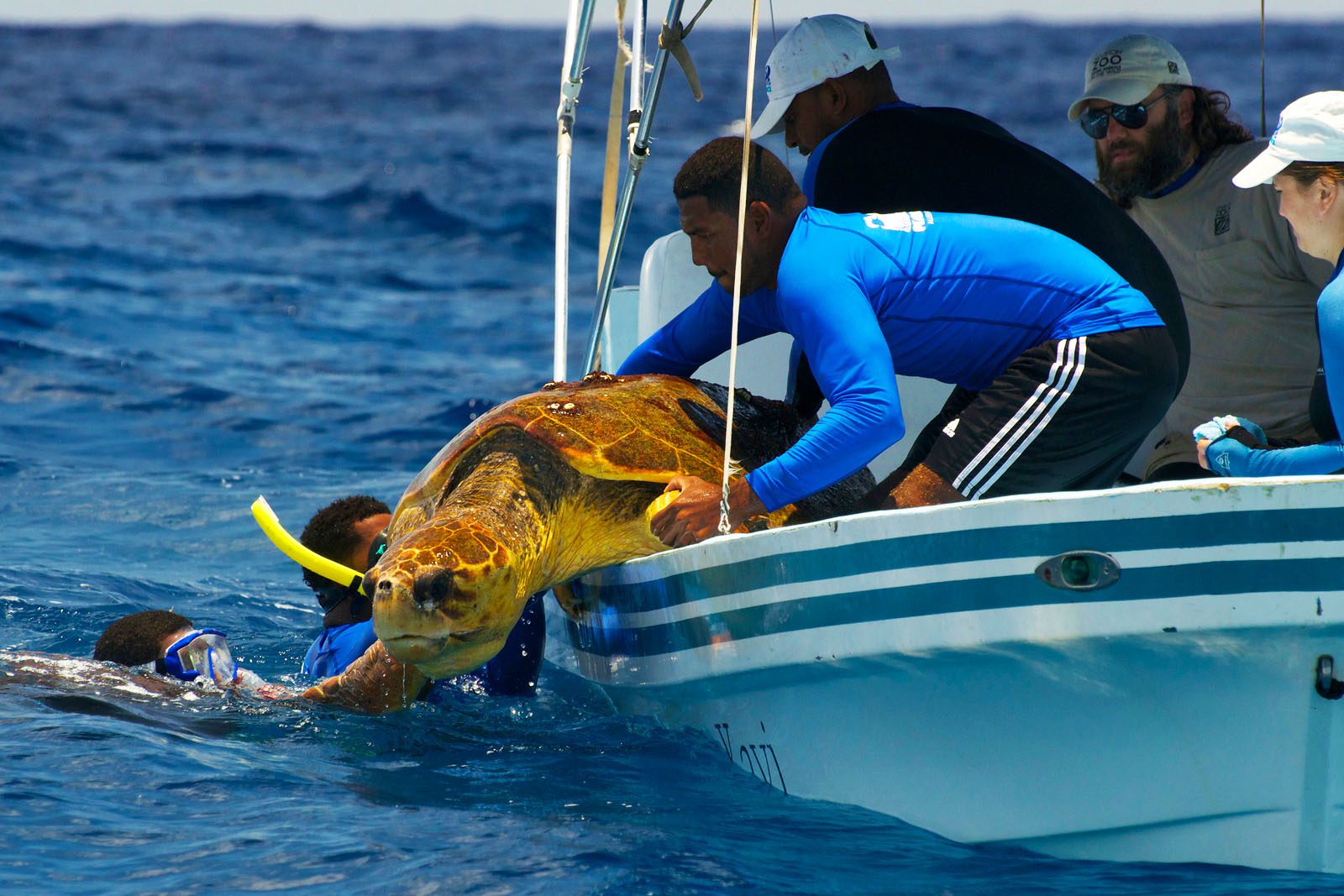
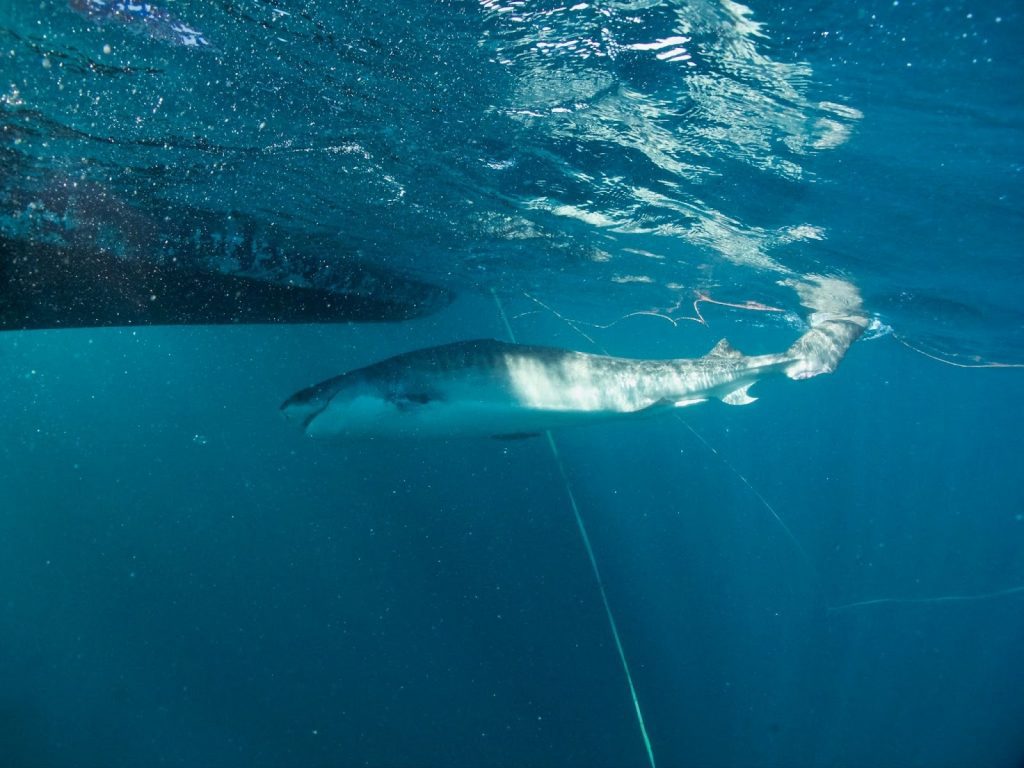
Cabo Verde’s tiger shark concentration aligns with the world’s largest loggerhead turtle (Caretta caretta) rookery. Sharks prey on these turtles, particularly adults, which are present seasonally, while juveniles and males provide year-round food. This dynamic highlights the ecological significance of these waters – not only for tiger sharks, but for the broader marine ecosystem they help sustain.
This research confirms Cabo Verde as a crucial site for tiger shark conservation. By protecting these waters, the country can influence shark and, by extension, tiger shark conservation across the Atlantic.
Effective management requires stronger fishing regulations, enforcement of finning bans, catch limits, and the establishment of marine protected areas in shark critical habitats. International cooperation is essential due to tiger sharks’ long-range movements. Partnering with local governments, institutions, and communities to develop and implement local and transboundary conservation practices that address threats while supporting livelihoods will be key to the future of tiger sharks in this oceanic expanse.
Honoring a Legacy
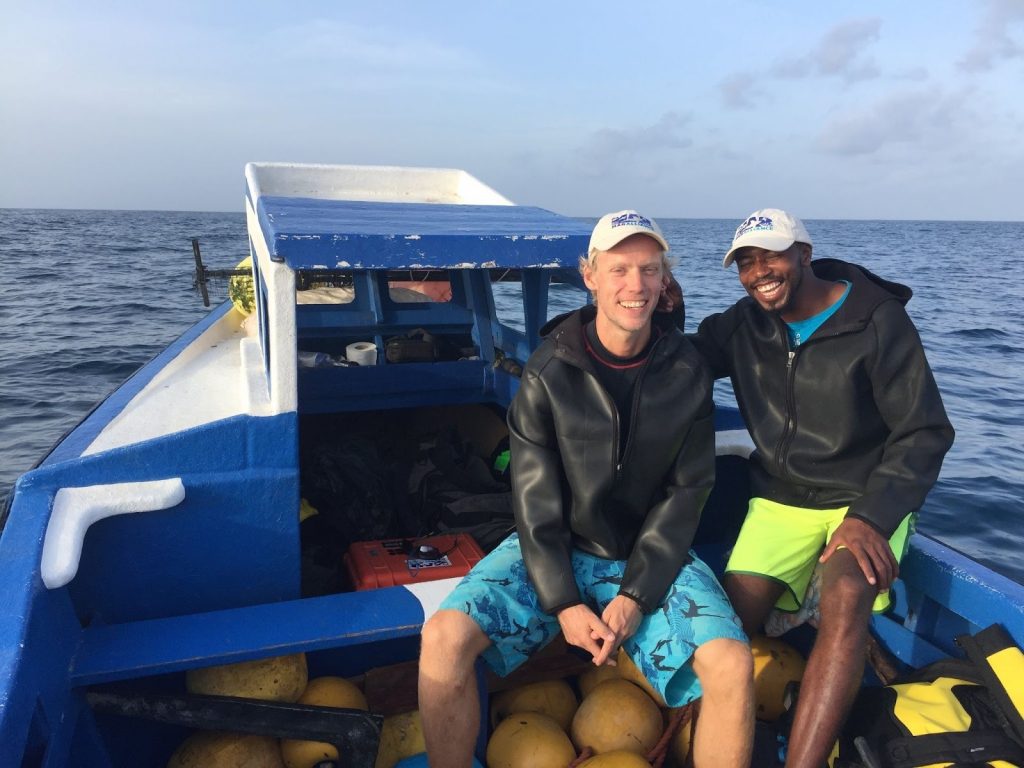
This work stands as a testament to Zeddy Seymour and Ze Luis Monteiro, whose dedication to Cabo Verde’s marine life and local communities was profound. Both tragically lost their lives at sea. Their legacy lives on in the data, trained fishermen, the many students engaged, and conservation initiatives they created, ensuring that tiger sharks continue to thrive for generations to come.
This research was made possible through the generous support of the Peterson-Mitchell Foundation, The Norvig Family, The Ocean Foundation, and the Wildlife Conservation Network. We are grateful to the Direção Nacional do Ambiente and the Ministério de Agricultura e Ambiente for permitting our work in Cabo Verde.
All fieldwork was conducted under research permits following ethical guidelines for animal research.