This Valentine’s Week, MarAlliance is celebrating a different kind of love story; one written not with cards and chocolates, but with ocean currents, instinct, and endurance. Sea turtles have been navigating the world’s oceans for millions of years, following instinctive routes in search of food, safe habitats, and mates. While much of their reproductive life happens out of sight, advances in satellite tracking technology are now revealing how sea turtles move, mate, and adapt in an ever-changing ocean.
Love Beneath the Waves: Sea Turtle Mating!
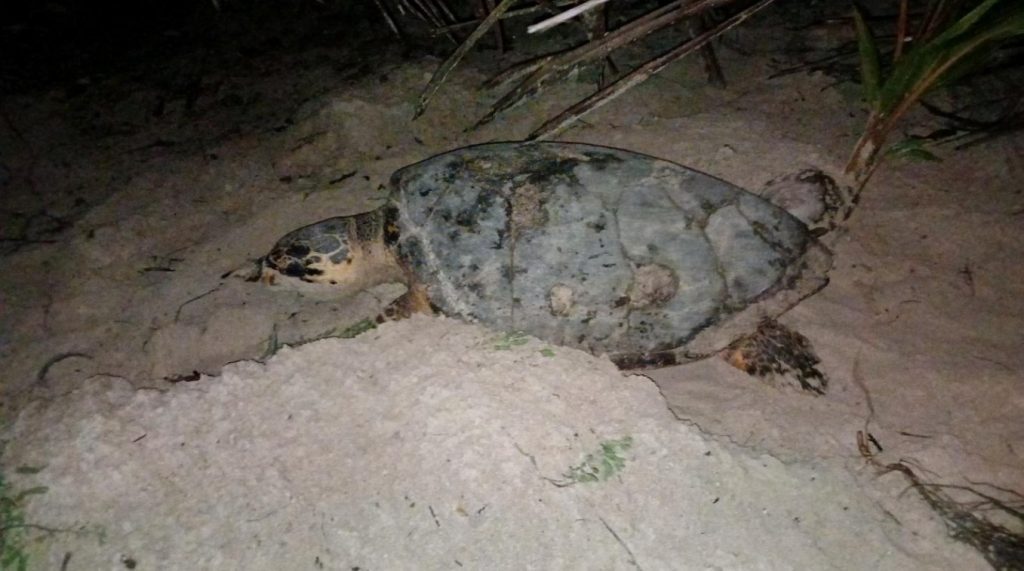
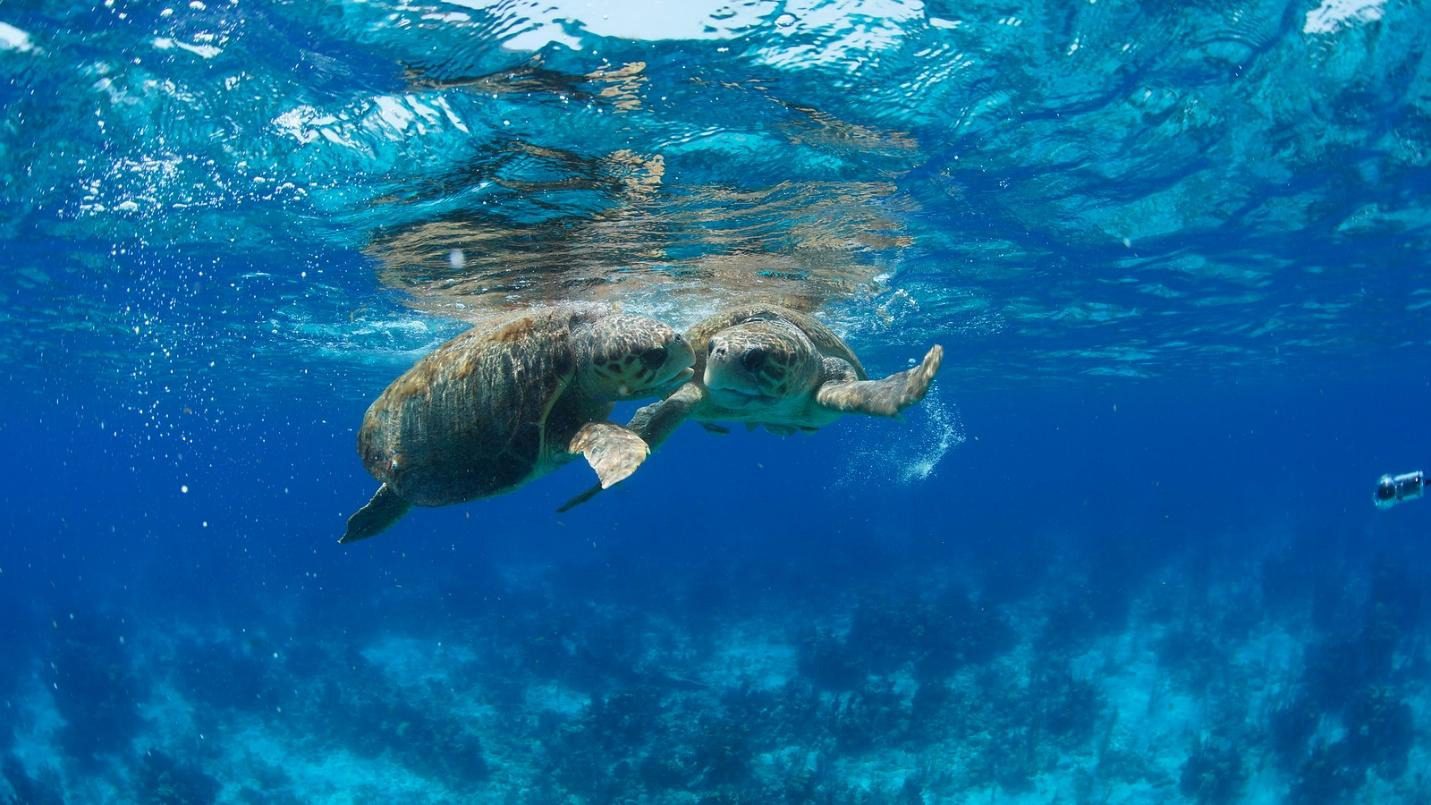
When people think of sea turtle reproduction, nesting beaches often come to mind. However, much of the mating process occurs offshore, beneath the waves, where it has historically been difficult to study.
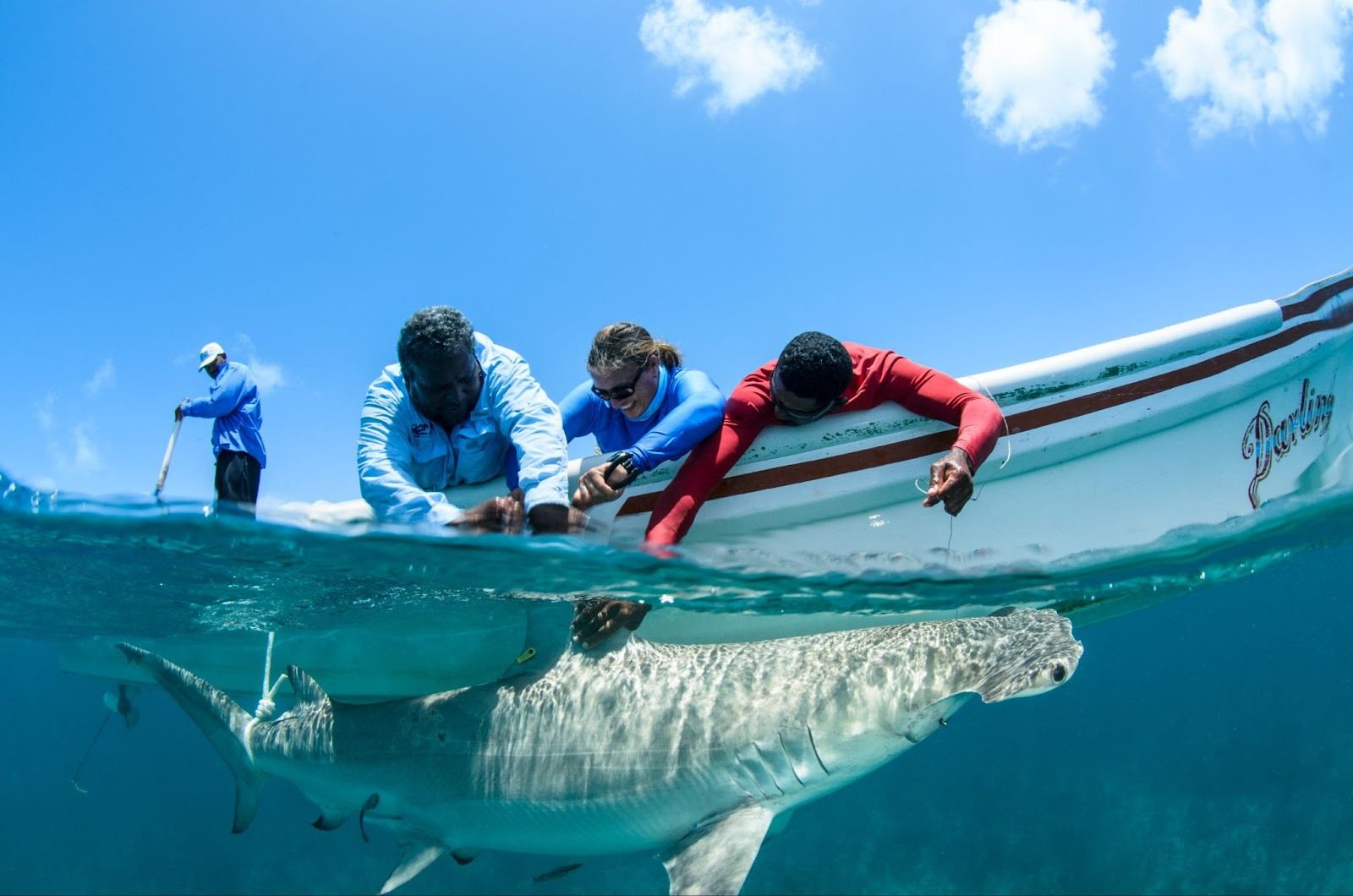
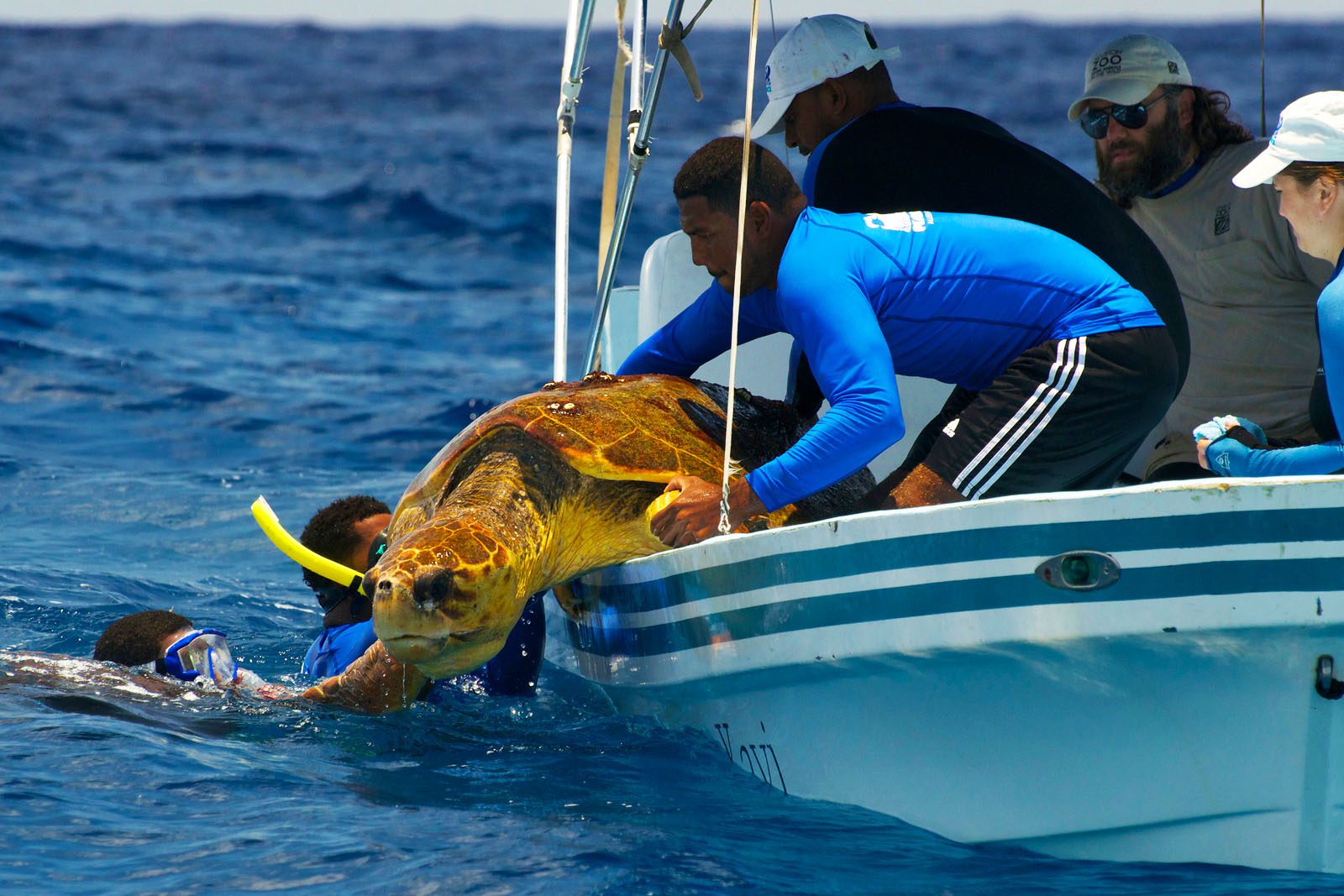
Using satellite telemetry, MarAlliance tracks adult sea turtles through their life cycle, not just when females come ashore to nest. This approach allows us to identify critical mating, feeding, and migration habitats that are essential for long-term population health.
A “Love Commute” Across the Mesoamerican Sea
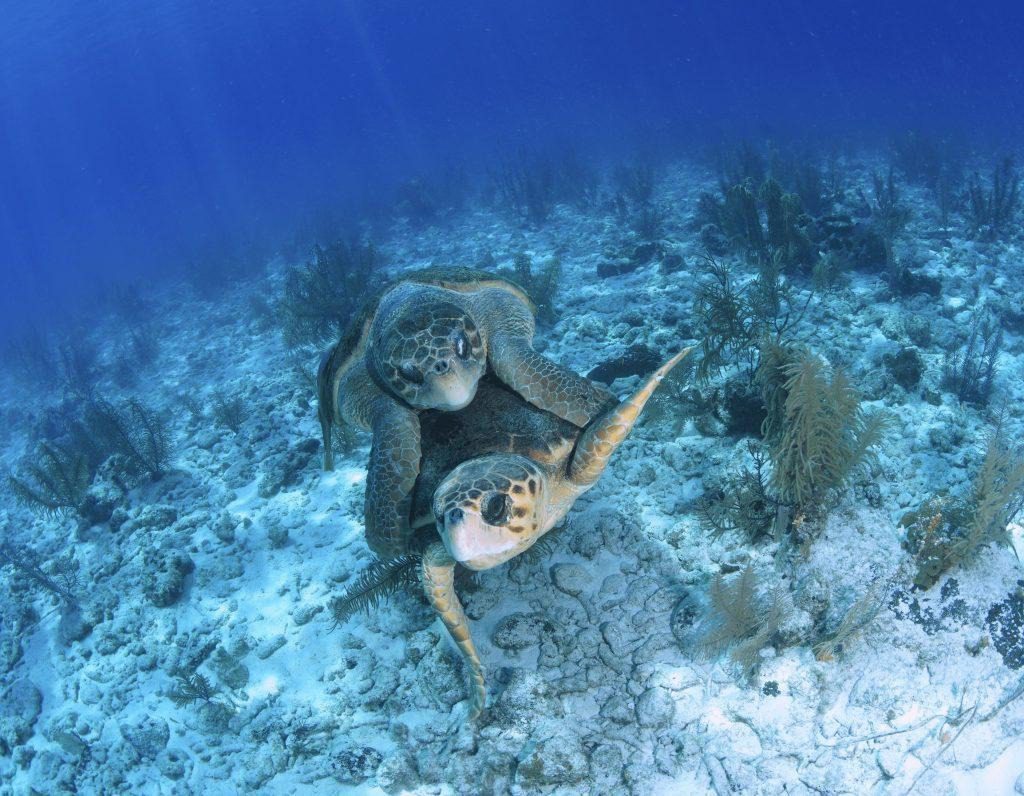
While female sea turtles are well known for their nesting migrations, far less is known about males. Because male sea turtles never come ashore, their movements remained largely unknown until satellite tracking made offshore monitoring possible.
By tagging male loggerhead turtles, MarAlliance has documented consistent, long-distance migrations between feeding grounds and mating areas, a pattern we describe as a “love commute.”
In one remarkable example, a mature male loggerhead tagged in Belize traveled annually between Belize and Honduras, following nearly identical routes year after year. This strong site fidelity highlights how specific marine corridors and offshore habitats are critical for successful reproduction.
Will Love Find a Way This Year?
This Valentine’s Week, the ocean is keeping its secrets just a little longer. The mating season is kicking off, and our male turtles are beginning their annual journeys to meet potential partners. Rising ocean temperatures, unusual currents, and other climate events may influence the timing and routes of these journeys. As we watch the sea this season, we wonder: will these turtles find each other in the usual places, or are they exploring new paths in search of love?
Satellite tracking gives us a front-row seat to these underwater romances. Will familiar pairings reunite, or will unexpected encounters shape the next generation? For now, the ocean holds its mysteries—but each ping from a tagged turtle brings us closer to understanding the twists and turns of their secret love stories.
Why Sea Turtle Tracking Matters for Conservation?
Understanding sea turtle mating behavior and movement patterns goes far beyond scientific curiosity. Effective conservation depends on knowing where turtles spend most of their lives.
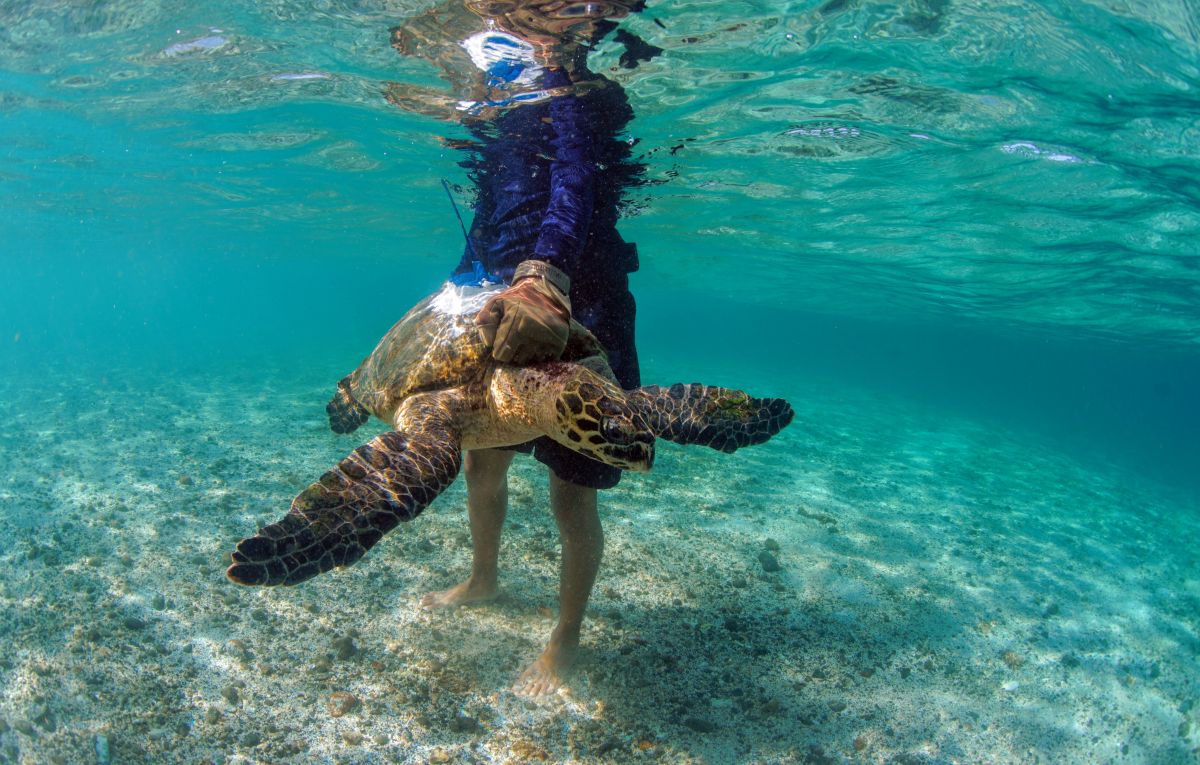
Satellite tracking has revealed strong site fidelity in male turtles, highlighting that specific marine corridors and offshore habitats are critical for successful reproduction. This information is essential for guiding conservation strategies, including the designation of marine protected areas, informed conservation planning, and the development of regional policy. This long-distance love commute underscores the ecological connectivity of the region and demonstrates that effective sea turtle management requires coordinated, regional-scale actions rather than approaches limited to local jurisdictions.
These findings show that sea turtle conservation must extend beyond nesting beaches and national borders.
When Sea Turtle Mating Routes Begin to Change
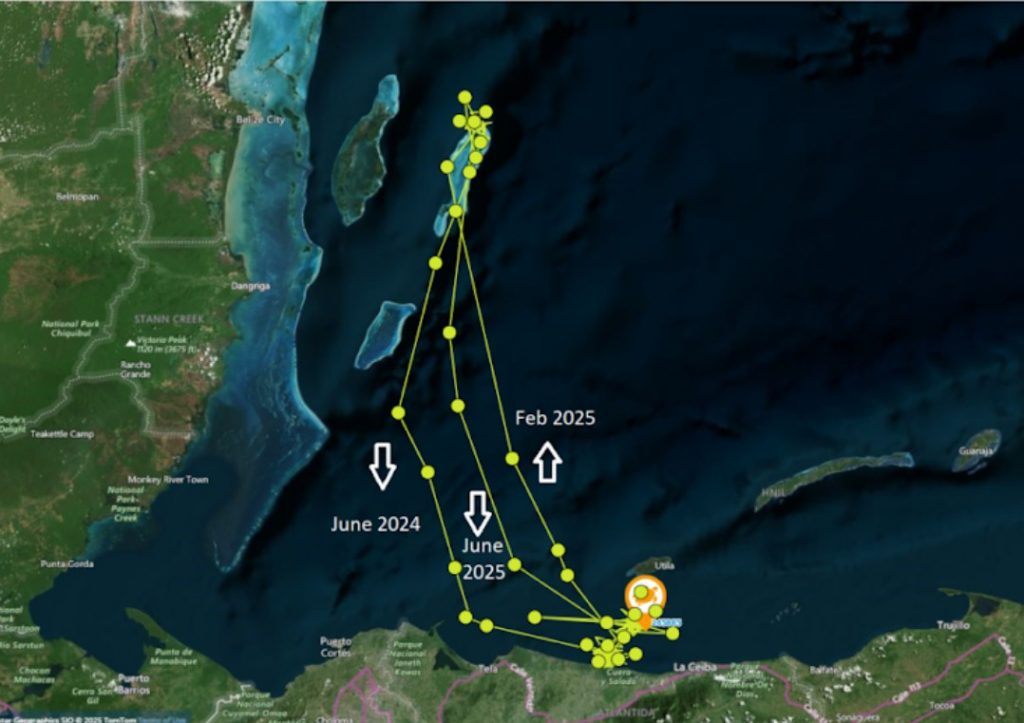
These shifts may be linked to rising ocean temperatures, habitat loss, or human pressures, and they raise important questions about how sea turtles are adapting to changing ocean conditions.
Without long-term monitoring, these changes could remain invisible — until population declines become more difficult to reverse.
Protecting Sea Turtle Journeys Through Science
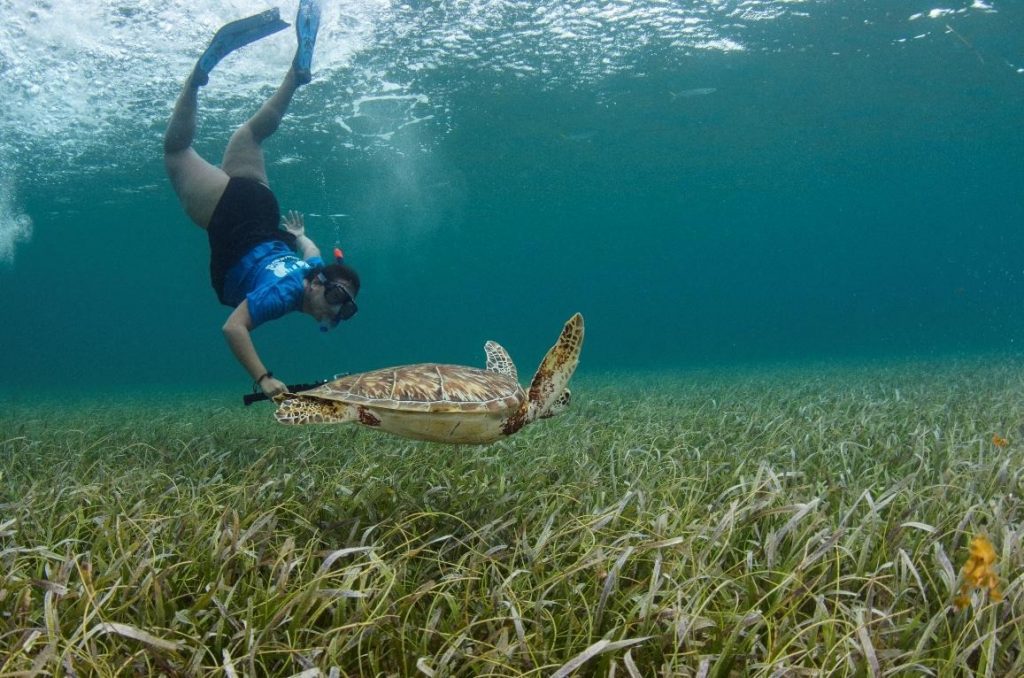
Sea turtles – and all marine megafauna – don’t see or understand our borders. Their epic migrations weave together countries, ecosystems, and communities across the region. By following these journeys over time, MarAlliance generates the insights needed to protect turtles across boundaries and guide smart, science-based conservation.
Our tracking page allows you to peek into the secret lives of both male and female turtles, revealing the routes they take, the habitats they rely on, and the incredible journeys that keep their species thriving. Every ping from a tagged turtle brings us closer to understanding them and the ocean better.
Sea turtles – and all marine megafauna – don’t see or understand our borders. Their epic migrations connect countries, ecosystems, and communities across the region. By monitoring sea turtles over time, MarAlliance generates the data needed to support transboundary conservation efforts and science-based decision-making.
Our tracking page provides insight into the diverse sea turtles we study, both males and females, and the habitats they depend on. Every tracked turtle strengthens our understanding of the ocean and helps ensure these ancient mating journeys continue for generations to come.
This Valentine’s Week, you can be Cupid for the seas! Every donation powers our tracking and conservation work, keeping these turtle love stories alive for years to come.