Every species shapes the ocean in its own unique way. While a hammerhead shark regulates stingray populations, a giant manta ray filters vast amounts of zooplankton in the open ocean, and a largetooth sawfish finds the essential habitats it needs to complete its life cycle in mangroves and estuaries. No two species share the same role. Because of this, many of these ecological functions are nearly impossible to replace once they are lost. Their disappearance is not merely the loss of a single species; it is the collapse of a crucial ecological role, triggering shifts that reshape the entire structure of the ecosystem.
In the ocean, species do not exist in isolation. Each occupies a specific niche within a web of interactions where populations are regulated, energy is transferred across trophic levels, and key habitats like reefs, estuaries, and mangroves are sustained. Understanding these relationships allows us to look at biodiversity through a functional lens—one where losing a single species means disrupting the processes that keep the entire system alive.
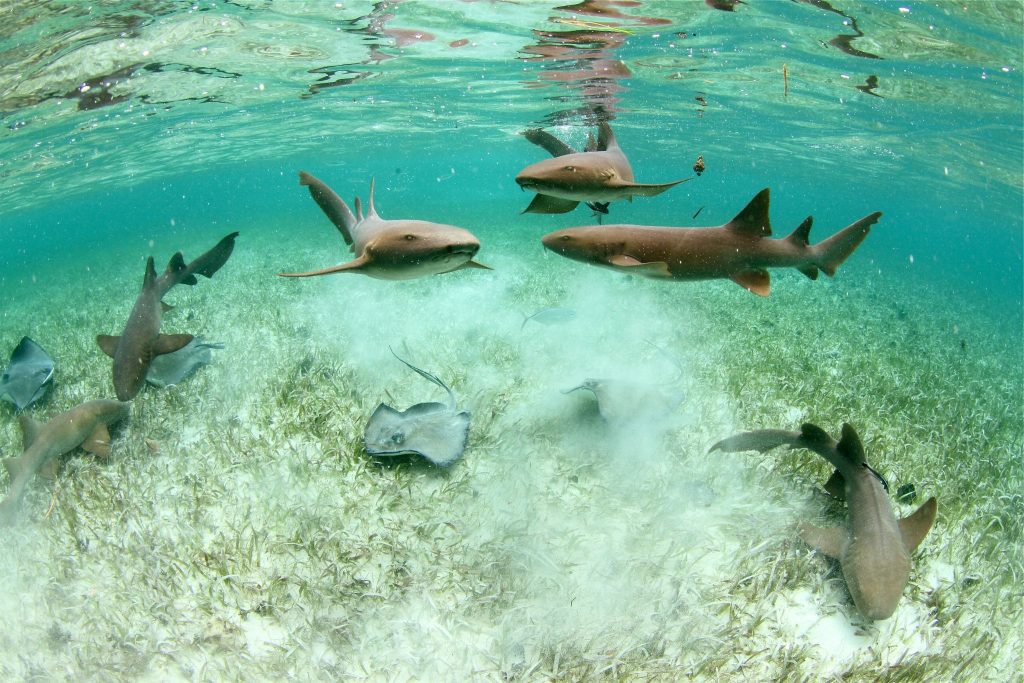
In honor of Shark and Rays Awareness Day, this analysis looks beyond individual species. Sharks, rays, and other large marine organisms perform complementary roles in the ocean. Their true value lies not just in their individual presence, but in their contribution to the ecological architecture they help maintain.
The Ocean’s Great Regulators
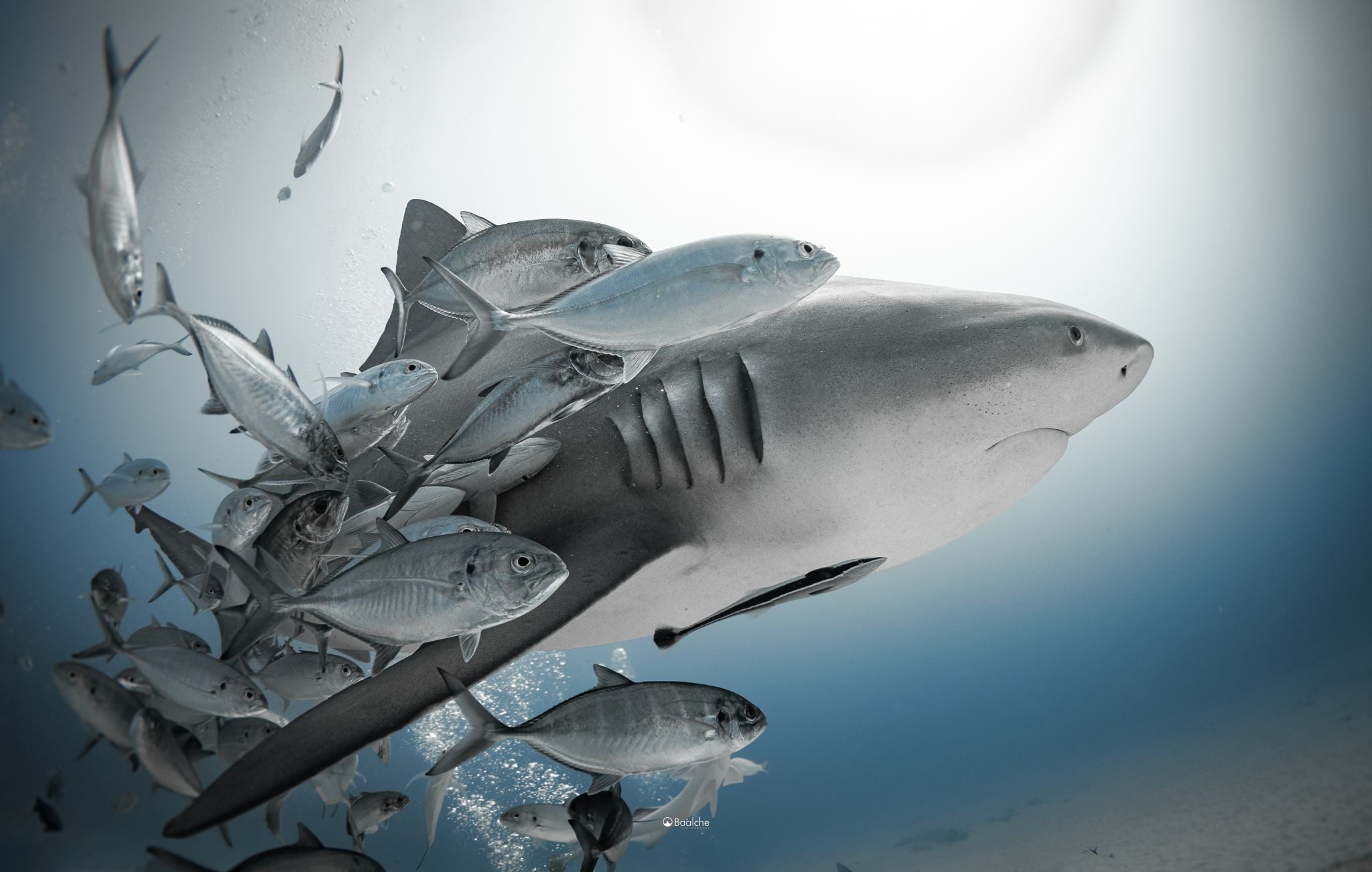
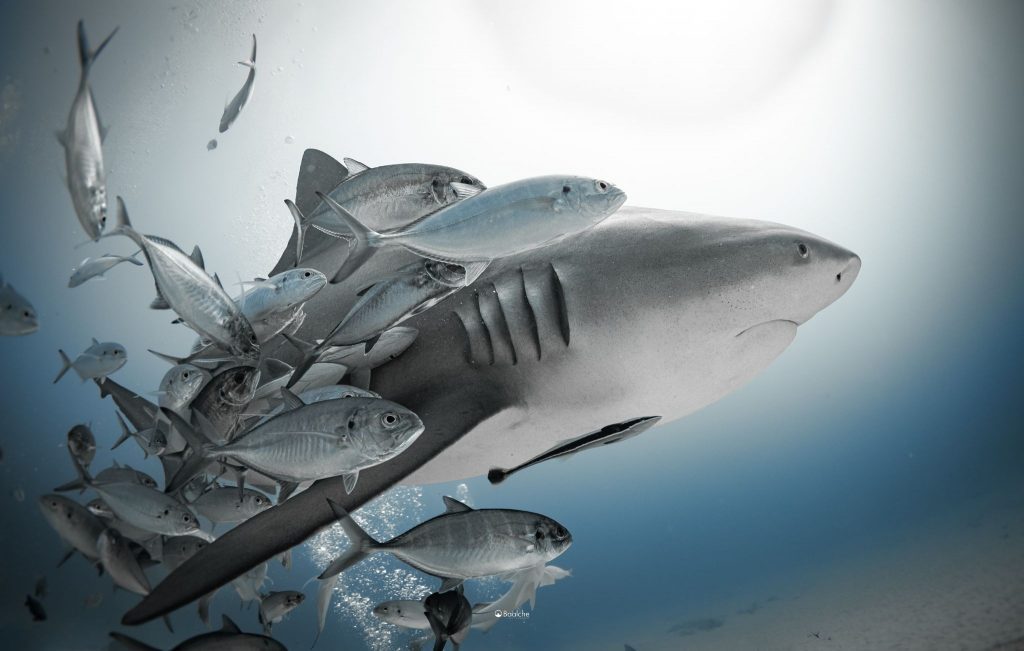
The Bull Shark (Carcharhinus leucas) is known for its remarkable ability to thrive in both marine environments and freshwater systems connected to the ocean. This adaptation allows it to inhabit estuaries, coastal rivers, and transition zones, where it helps regulate mid-level consumer populations. Its presence maintains balance in highly productive ecosystems, directly influencing the dynamics of critical habitats like mangroves and coastal lagoons. Despite its large size, interactions with humans are rare and do not reflect targeted predatory behavior.
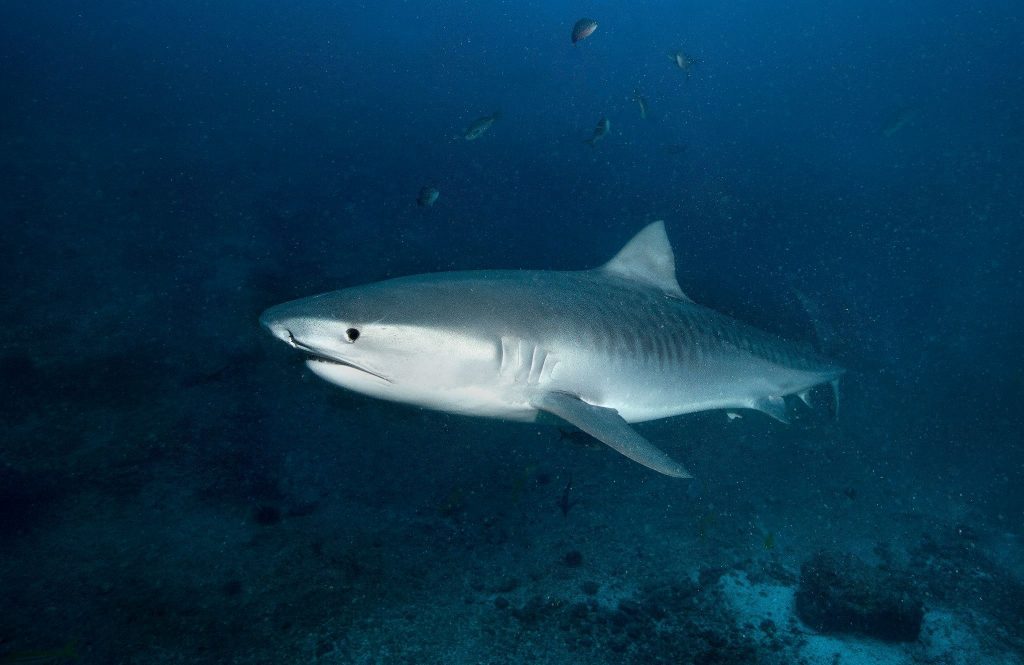
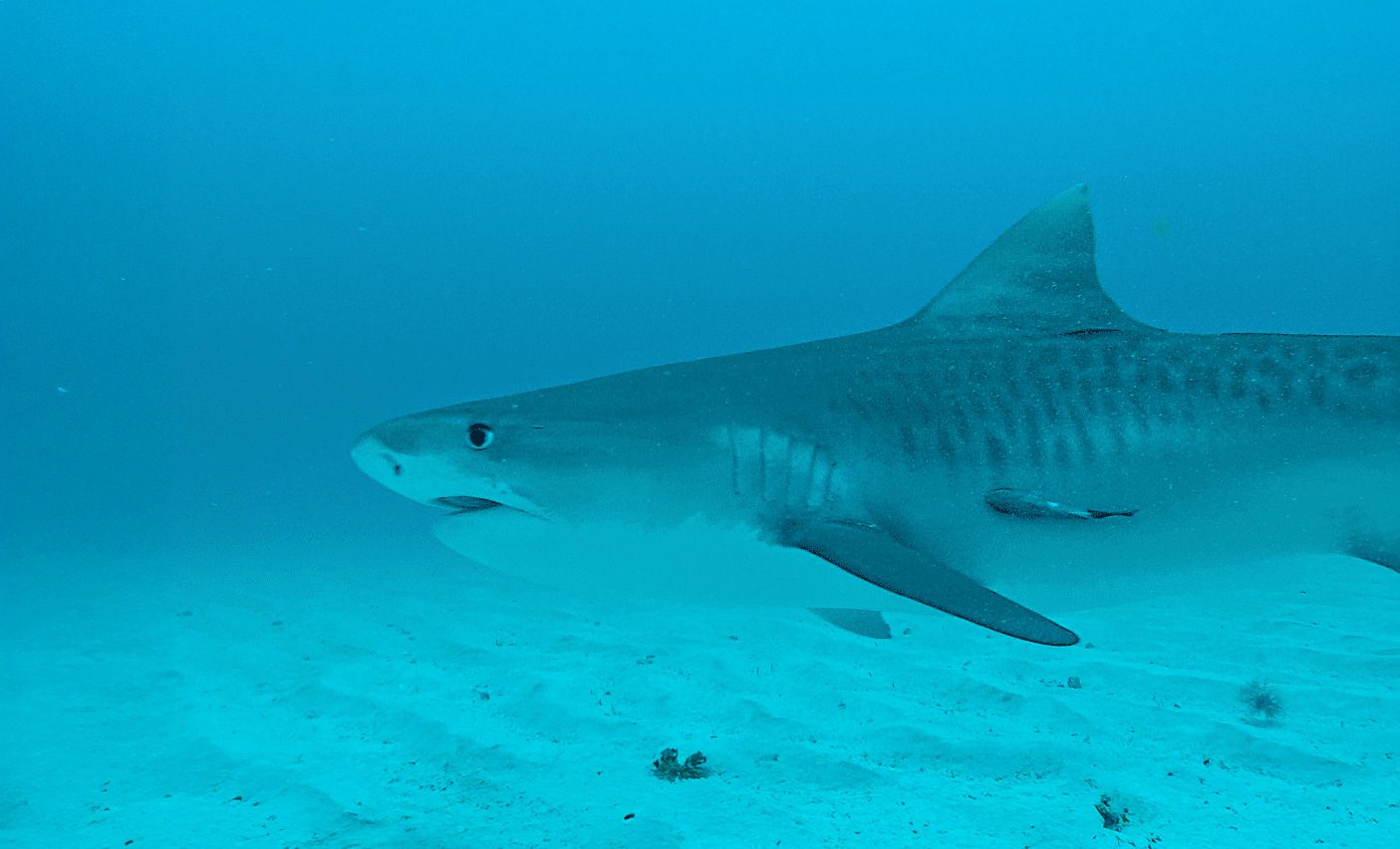
The Tiger Shark (Galeocerdo cuvier) acts as a generalist apex predator in tropical and subtropical waters. Its diet spans a wide range of organisms, from bony fish to sea turtles and other elasmobranchs. This diverse diet allows it to influence multiple levels of the food web, bridging ecological dynamics across species from different habitats. However, its low reproductive rate makes it highly vulnerable to pressures such as targeted fishing and bycatch.
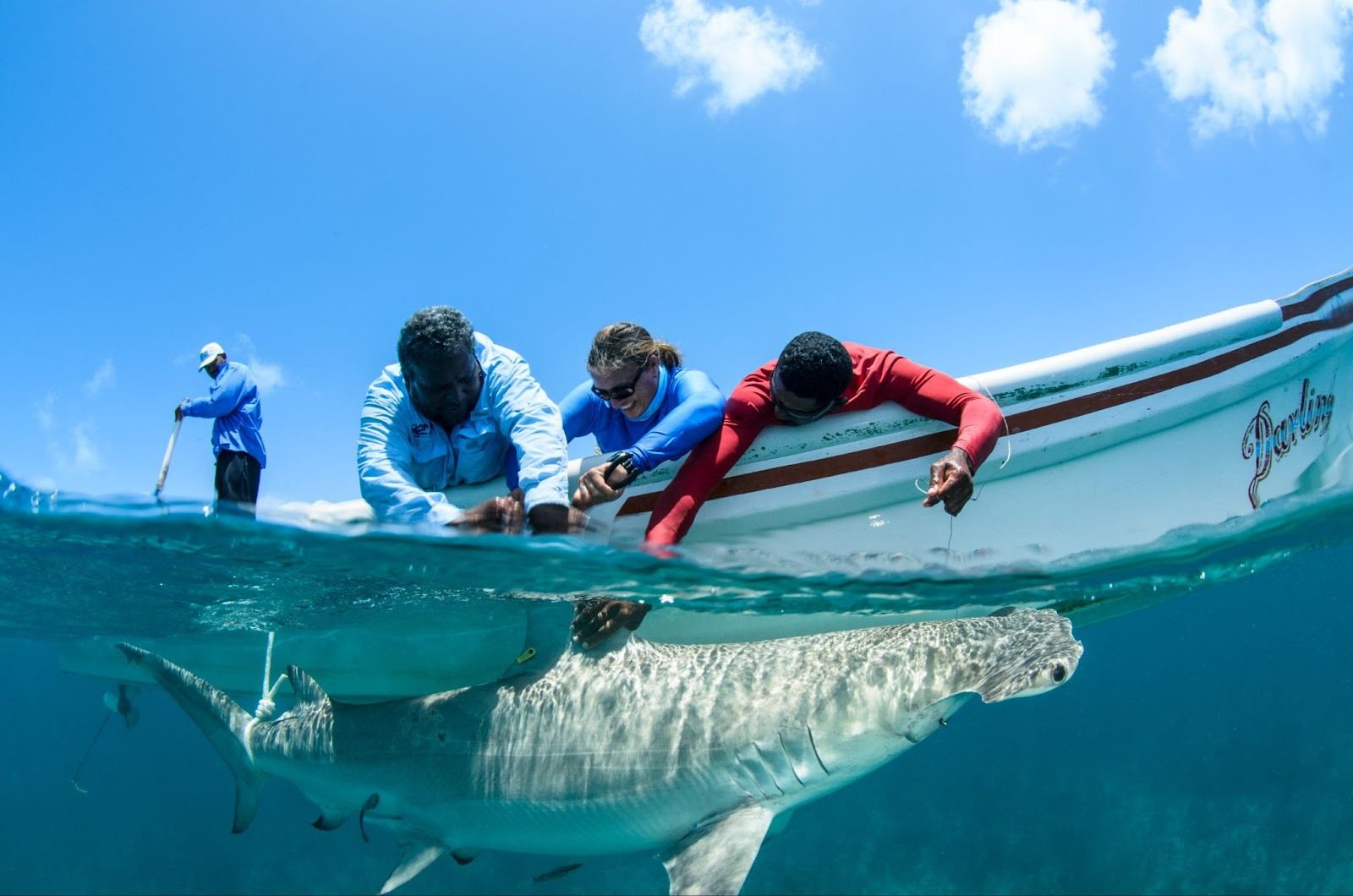
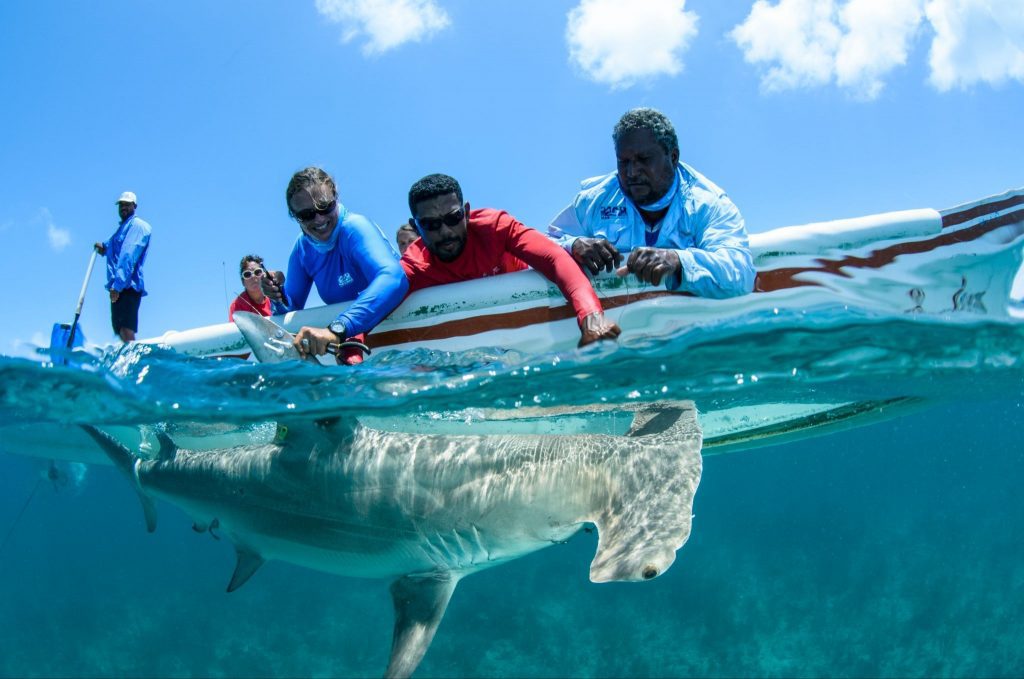
The Great Hammerhead Shark (Sphyrna mokarran) plays a crucial role as a regulator of ray populations and other benthic organisms. Its unique cephalofoil (hammer-shaped head) provides sensory advantages that allow it to detect prey hidden beneath the seafloor. By keeping these populations in check, it contributes to the balance of coastal and continental shelf ecosystems. Despite its imposing size, the risk it poses to humans is extremely low.
It’s Not All About Predators
The health of the ocean does not rely solely on apex predators. Other species play vital roles by utilizing resources at completely different scales within the ecosystem.
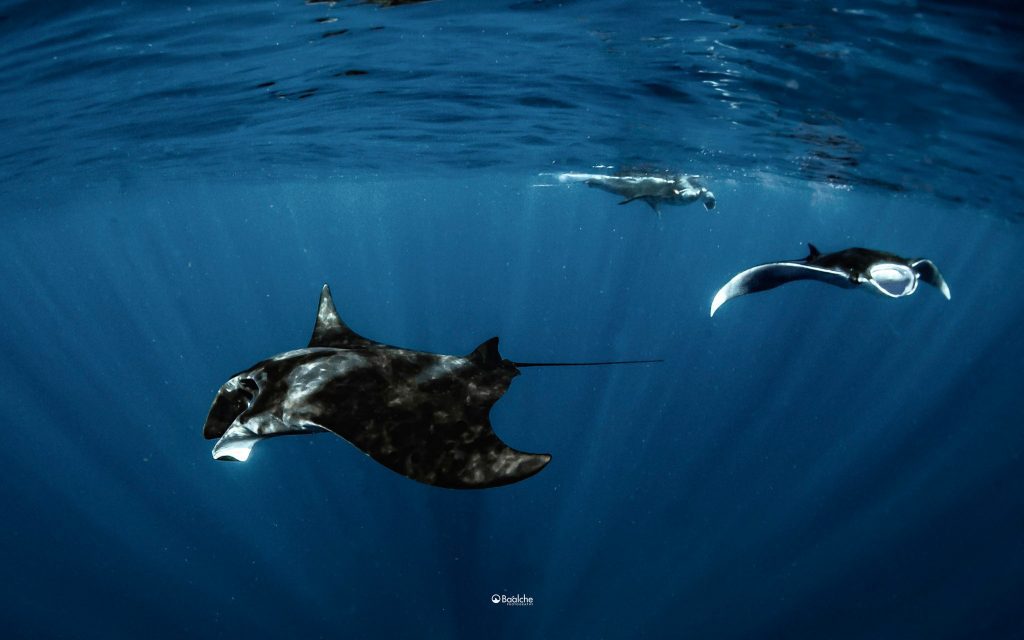
The Giant Oceanic Manta Ray (Mobula birostris) is a filter feeder that consumes zooplankton in the open ocean. Its ecological role centers on capitalizing on dense concentrations of microscopic organisms, facilitating energy flow through highly productive oceanic environments. Its low reproductive rate limits its ability to recover from fishing pressure, despite being entirely harmless to humans.
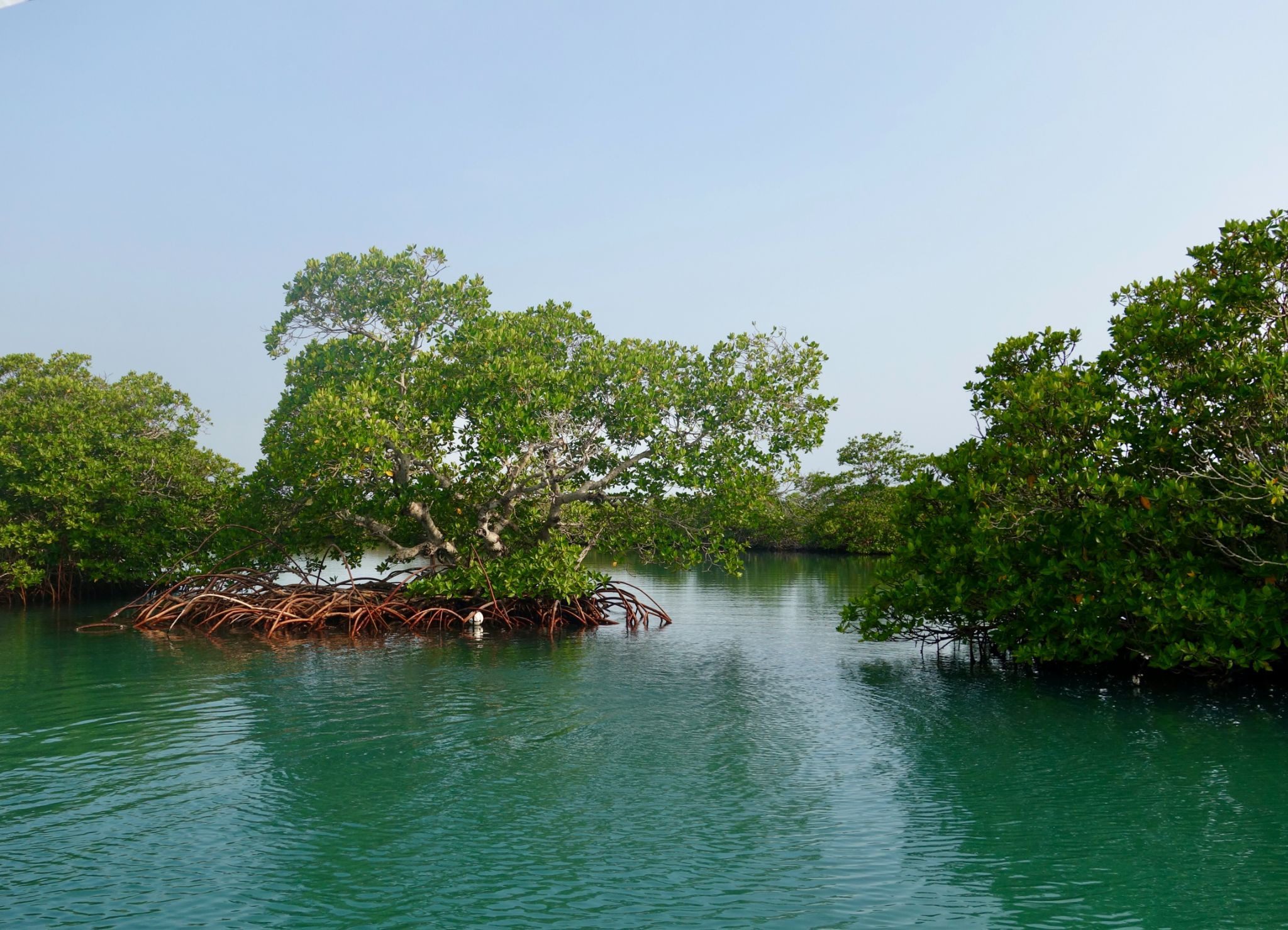
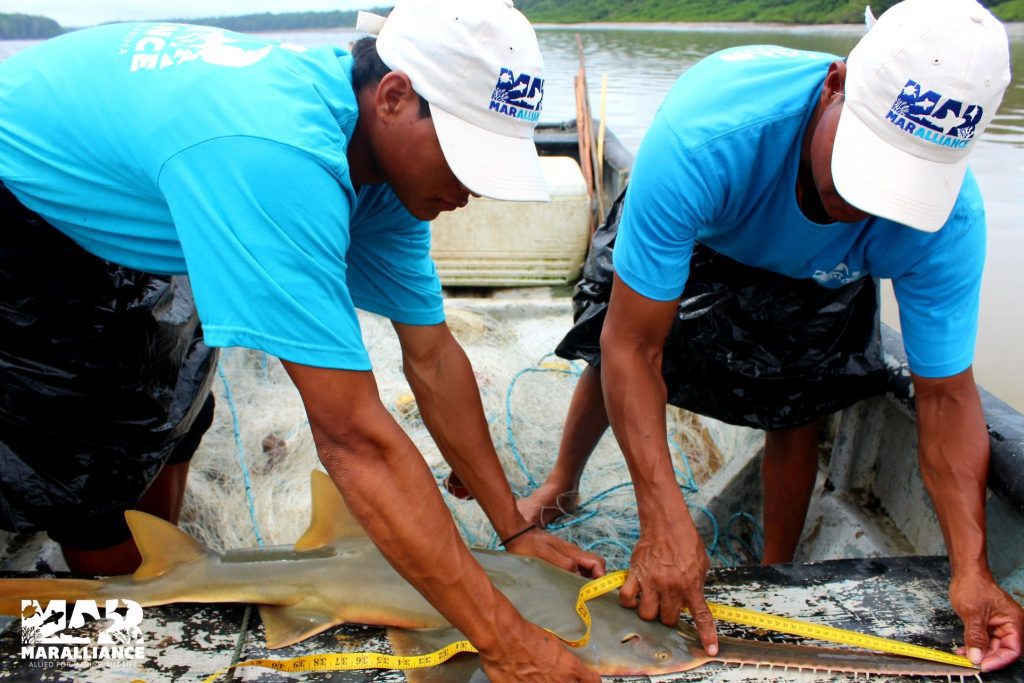
The Largetooth Sawfish (Pristis pristis) is closely tied to coastal ecosystems like mangroves and estuaries, where it historically served as a mesopredator of benthic fish and crustaceans. Its toothed saw (rostrum) allows it to detect and capture prey hidden under the sediment. Today, its range has drastically shrunk, and it is classified as Critically Endangered, surviving only in isolated populations.
What Happens When These Species Disappear?
The loss of species across different levels of the food web triggers cascading effects that go far beyond the disappearance of an individual animal. Population regulation, habitat connectivity, and the utilization of specific resources begin to break down, altering the dynamics of the entire ecosystem.
While these changes are not always immediate, over time they can reshape the functional structure of marine environments. This has serious consequences for the stability of coastal ecosystems, the availability of fishery resources, and the survival of systems that entire human communities rely on.
Understanding the functional role of each species allows us to anticipate these impacts and build the scientific evidence needed to set conservation priorities and guide management actions. Ultimately, marine research transcends academic theory; it is a fundamental tool for real-world decision-making.
In this context, knowledge becomes our most powerful asset. Understanding the specific role of each species in the ocean helps us grasp the true scale of their loss, underscoring why we must protect not just individual species but the interconnected systems that sustain all marine life.