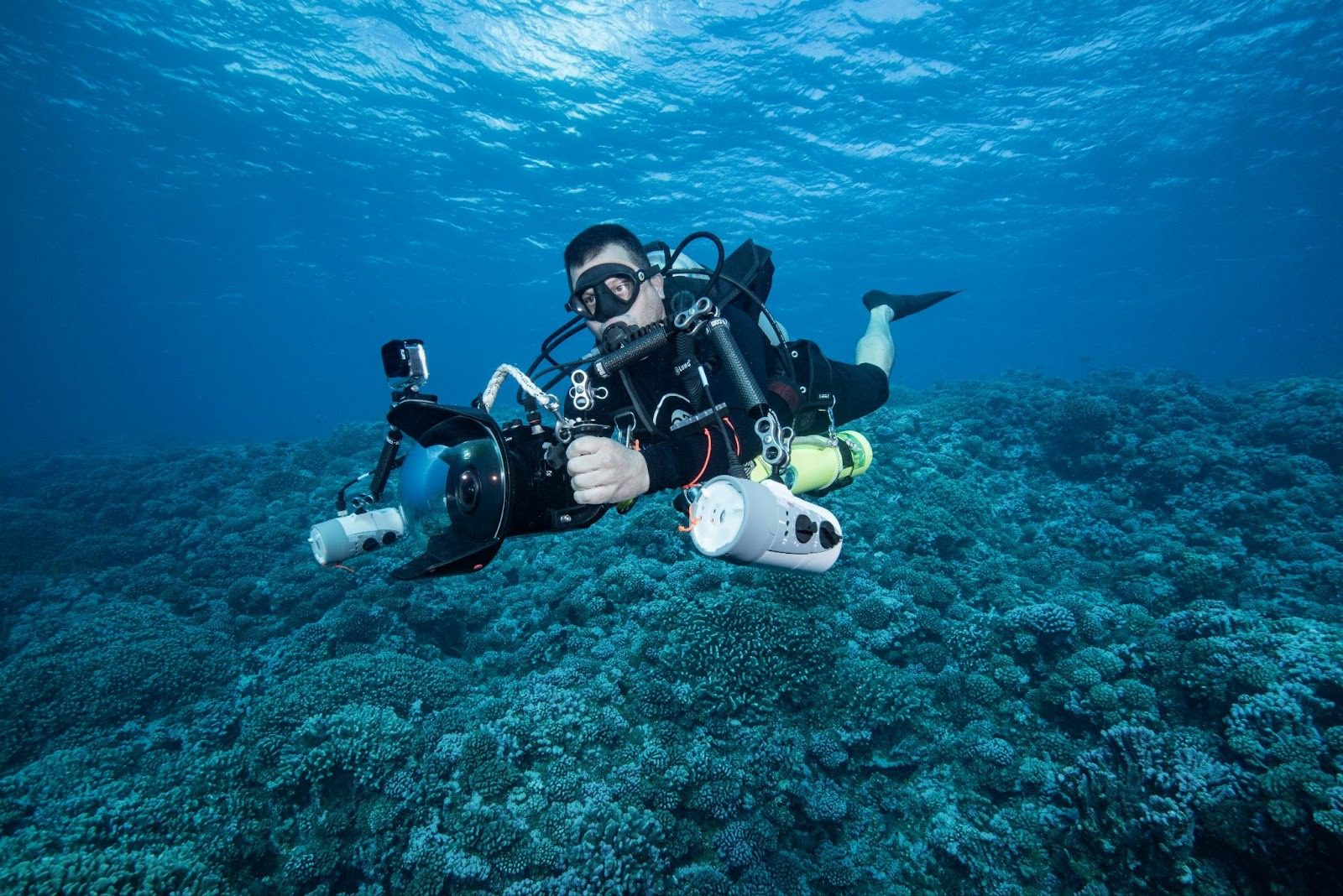
Conservation of wetlands is not optional – it is an urgent necessity. On the occasion of World Wetlands Day, MarAlliance reaffirms its dedication to the protection and conservation of coastal wetlands, with a particular focus on mangroves, seagrass meadows, and coral reefs. Protecting these ecosystems is essential for safeguarding marine life, enhancing the resilience of coastal communities, and maintaining the balance of our oceans.
Wetlands: Environmental, Social, and Economic Value
Coastal wetlands provide critical environmental, social, and economic benefits. Millions of people rely directly on these ecosystems for their livelihoods – through artisanal fishing, coastal tourism, or the natural protection they offer against storms, flooding, and erosion.
Mangroves, seagrass beds, and coral reefs form an interconnected system that supports high biodiversity and ensures the productivity of marine ecosystems. Their degradation affects not only the species that inhabit them but also the local economies that depend on these resources.
Wetlands Conservation Work in the Region
We expand our work through the Mesoamerican Reef (MAR), the Southern Caribbean, and the Eastern Tropical Pacific.
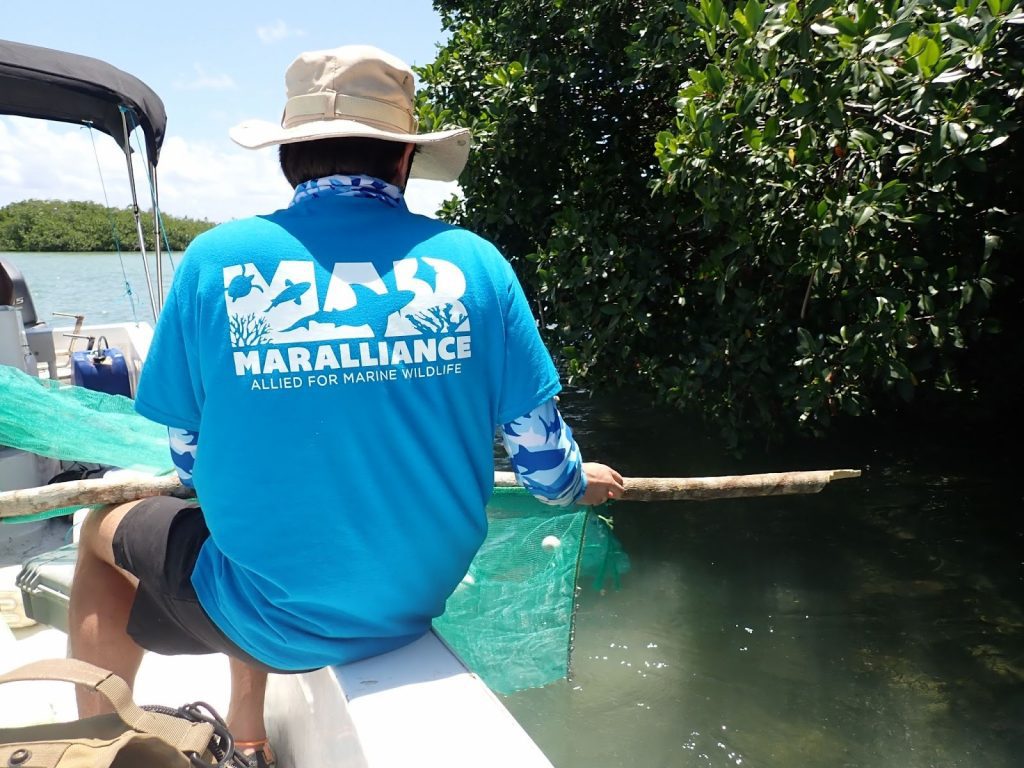
Some of our key initiatives in the regions include mapping seagrass meadows and evaluating their potential as blue carbon sinks, as well as studying mangroves and their relationship with fish populations, where healthy mangroves support greater fish diversity. For example, in Belize, we are using multiple complementary methods to assess how mangroves help support local communities by acting as nurseries for juvenile fish that are important to fisheries.
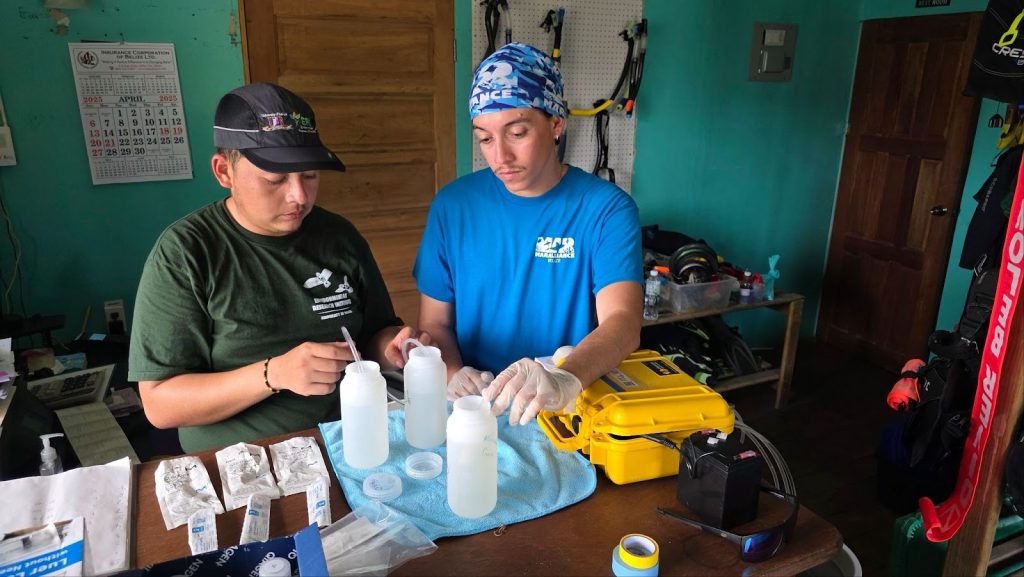
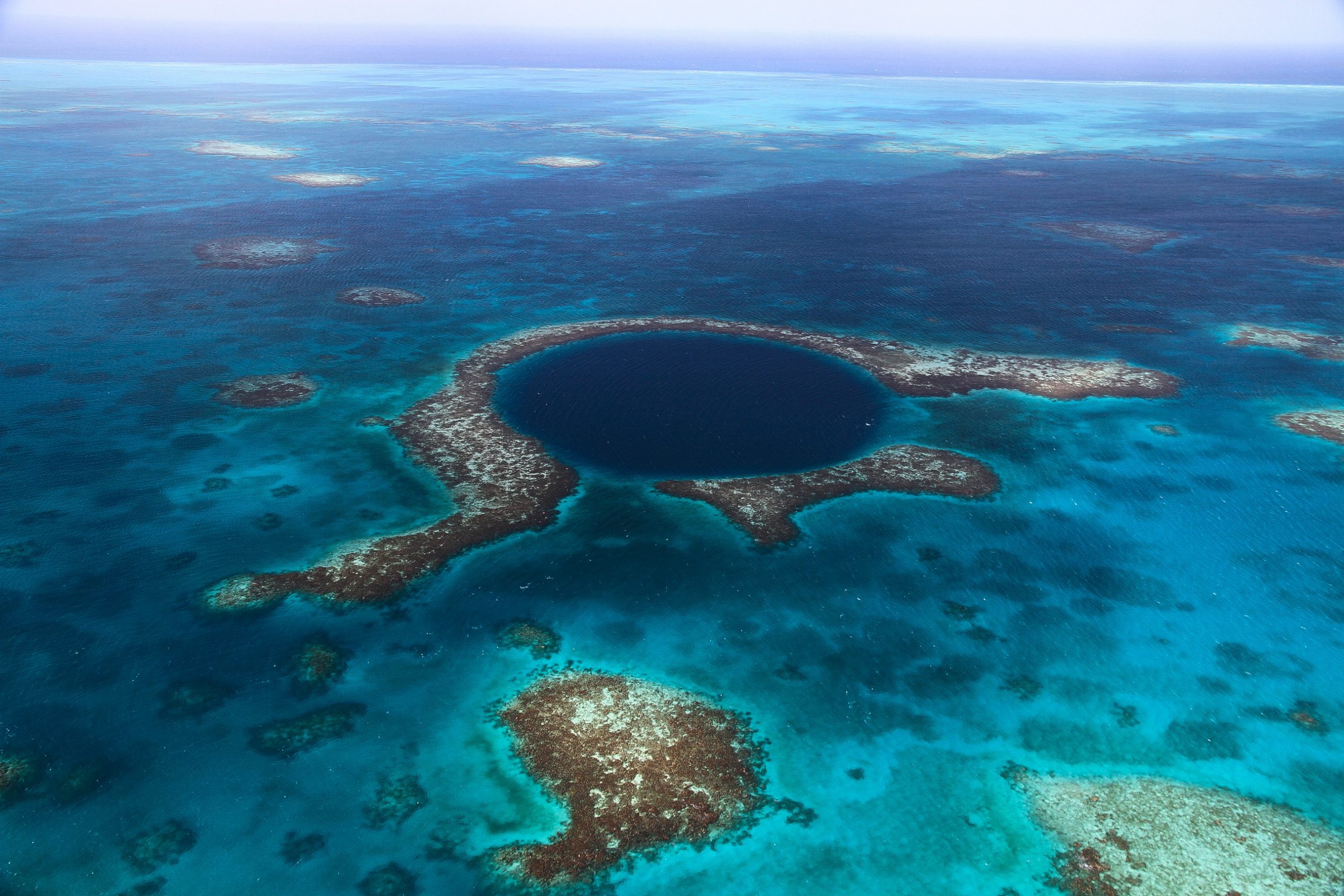
We also work along the world’s second-largest barrier reef and other coral reef systems throughout the Mesoamerican region, including the Pacific coast. These efforts follow the principle that marine species conservation is impossible without effective habitat protection.
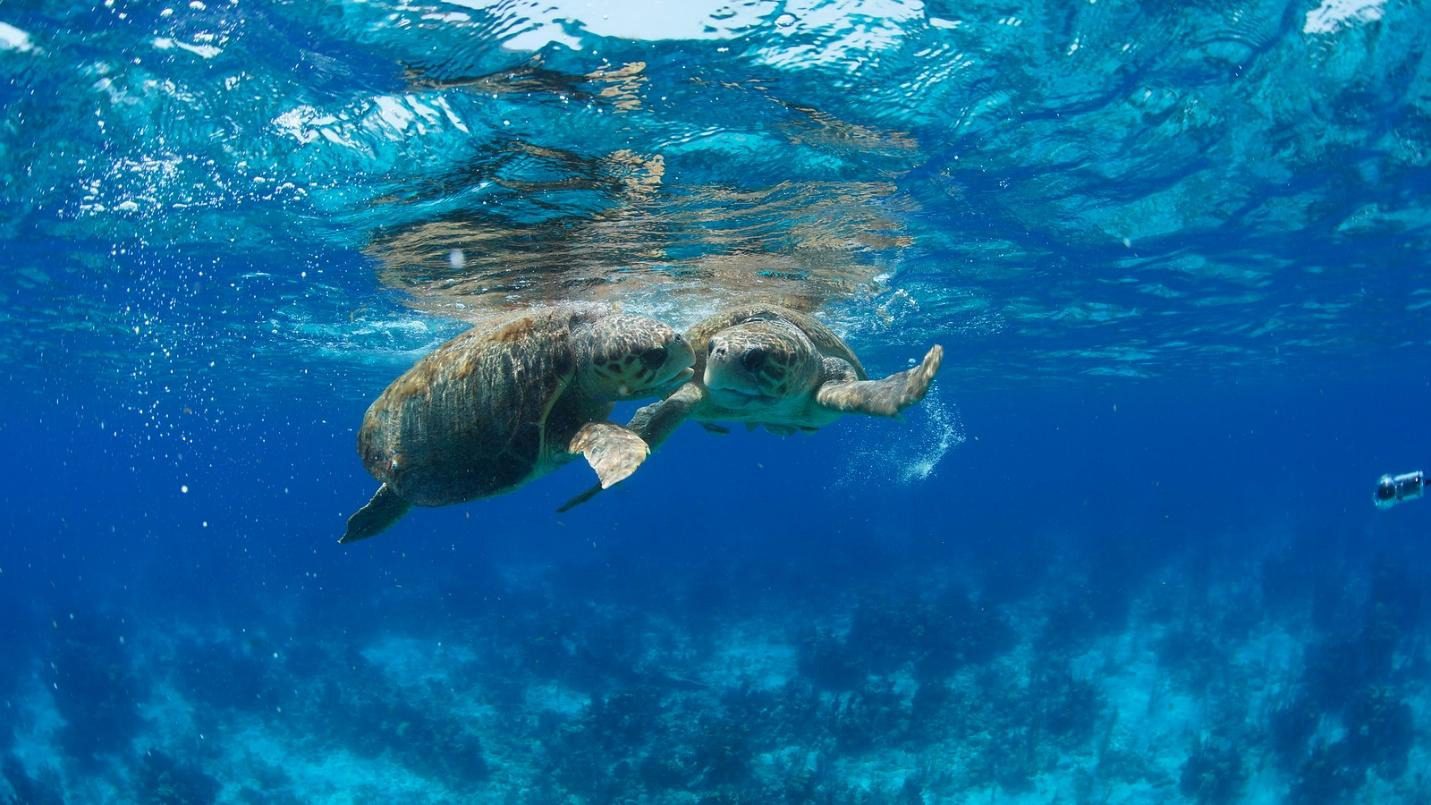
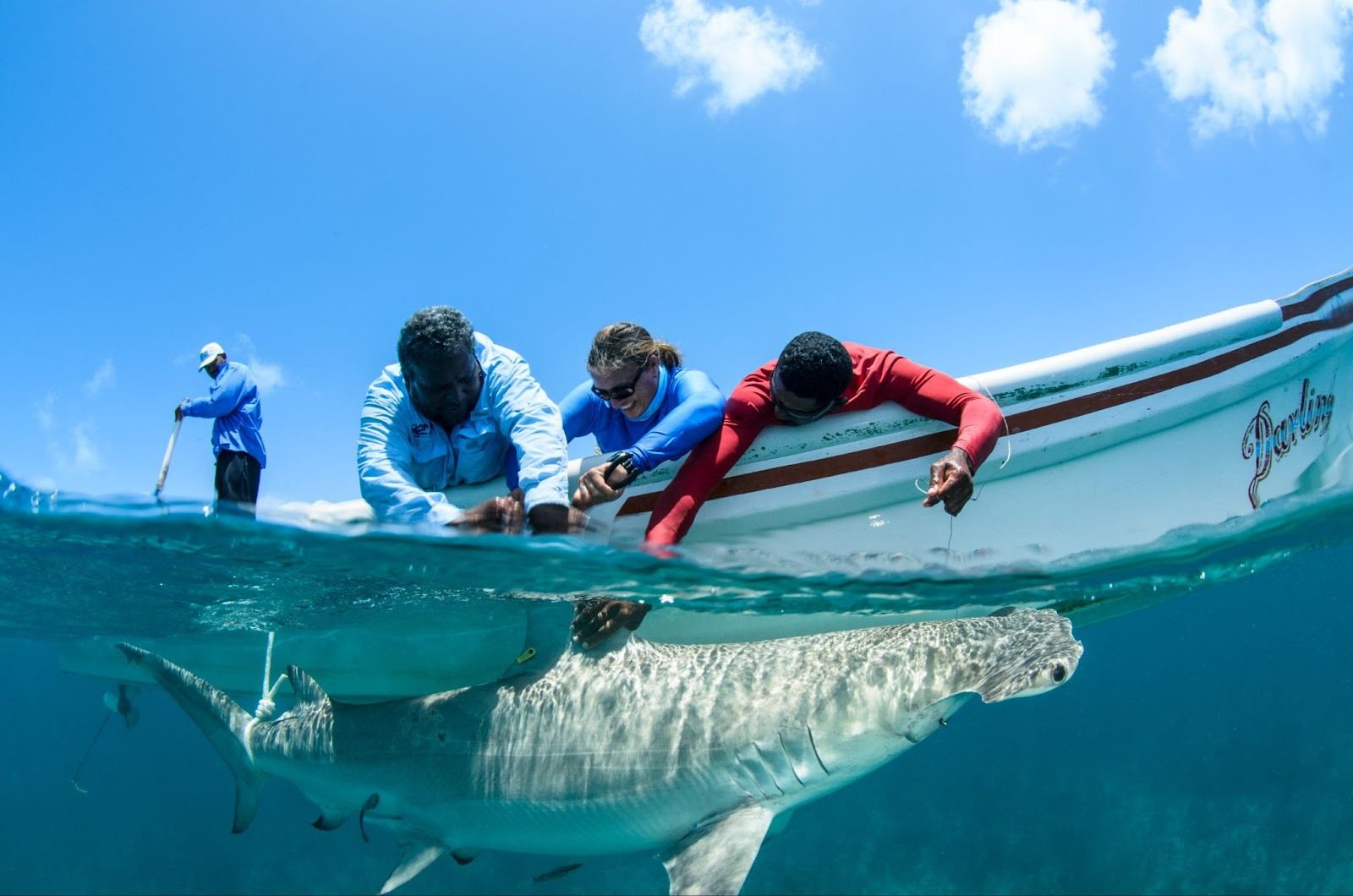
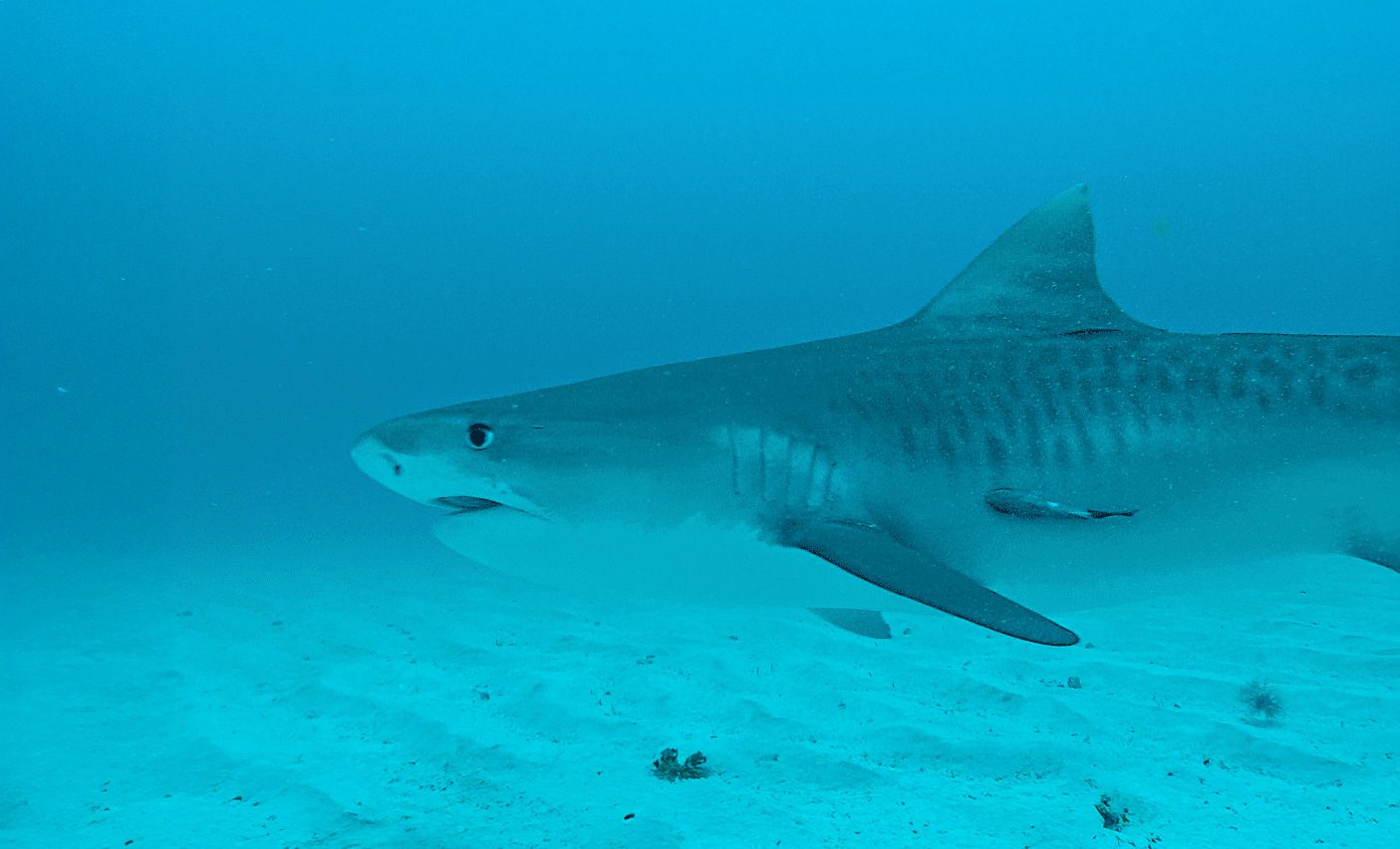
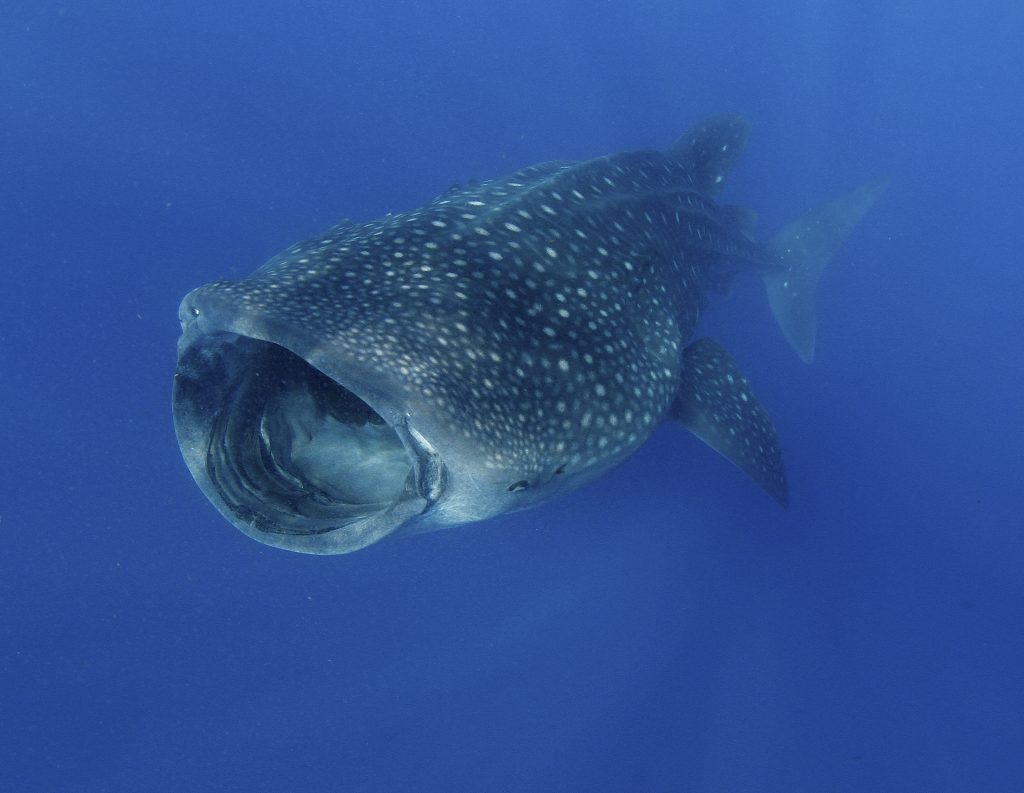
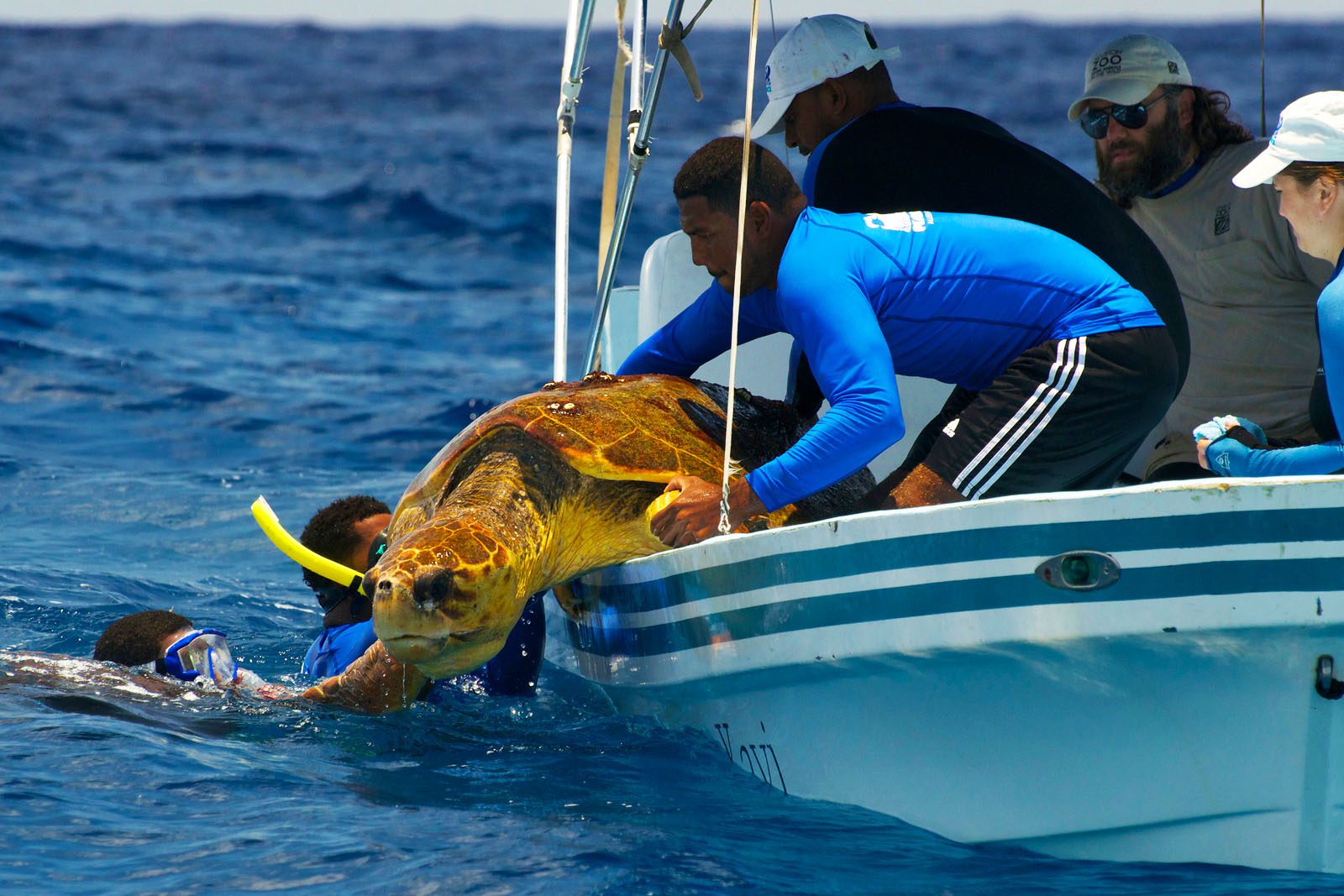
Sharks, rays, sea turtles, and numerous fish species rely on healthy wetlands at various stages of their life cycles. For this reason, we place marine megafauna and biodiversity studies at the core of our conservation strategy.
Beyond the Coast: Rivers and Critically Endangered Species
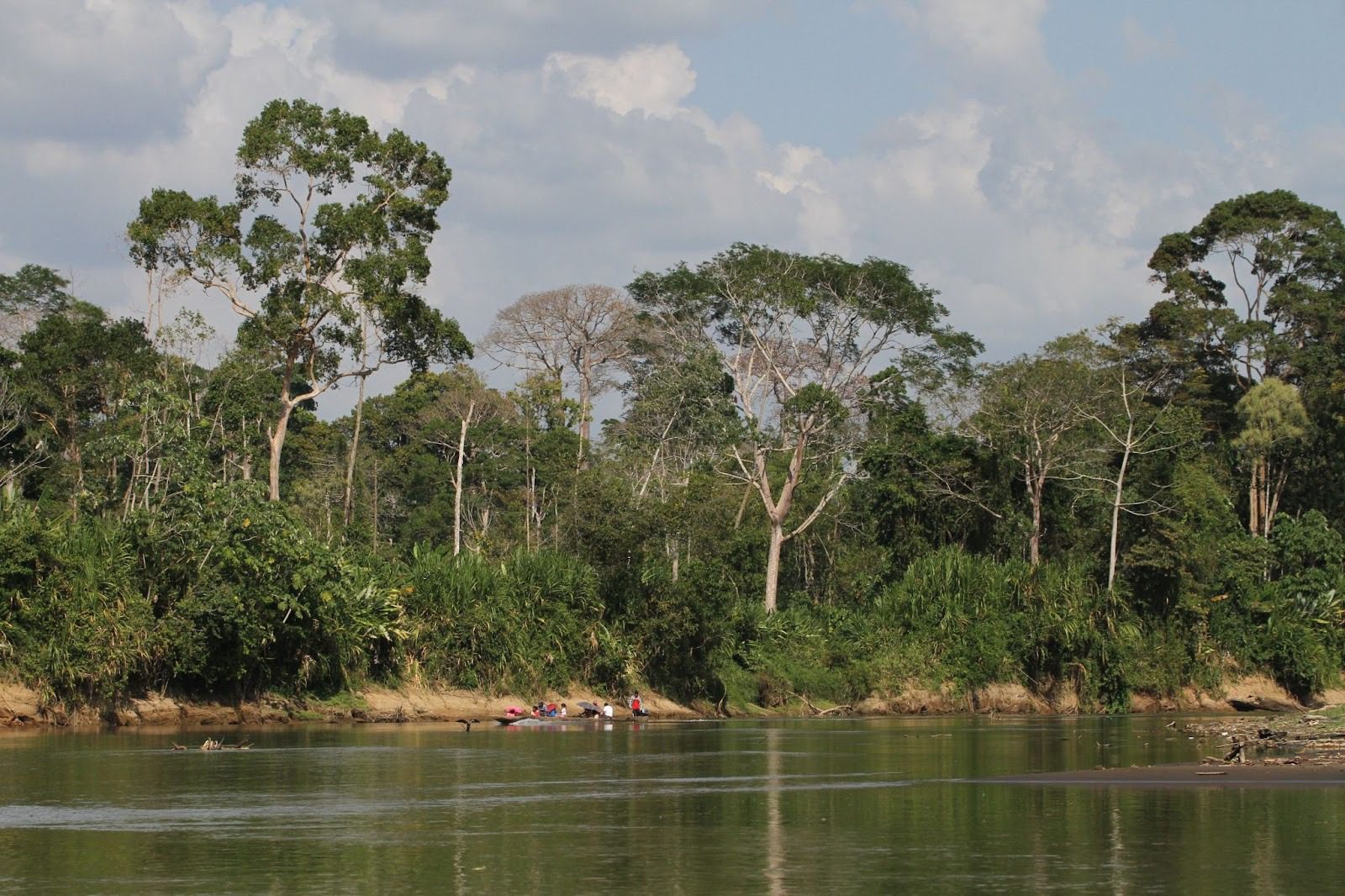
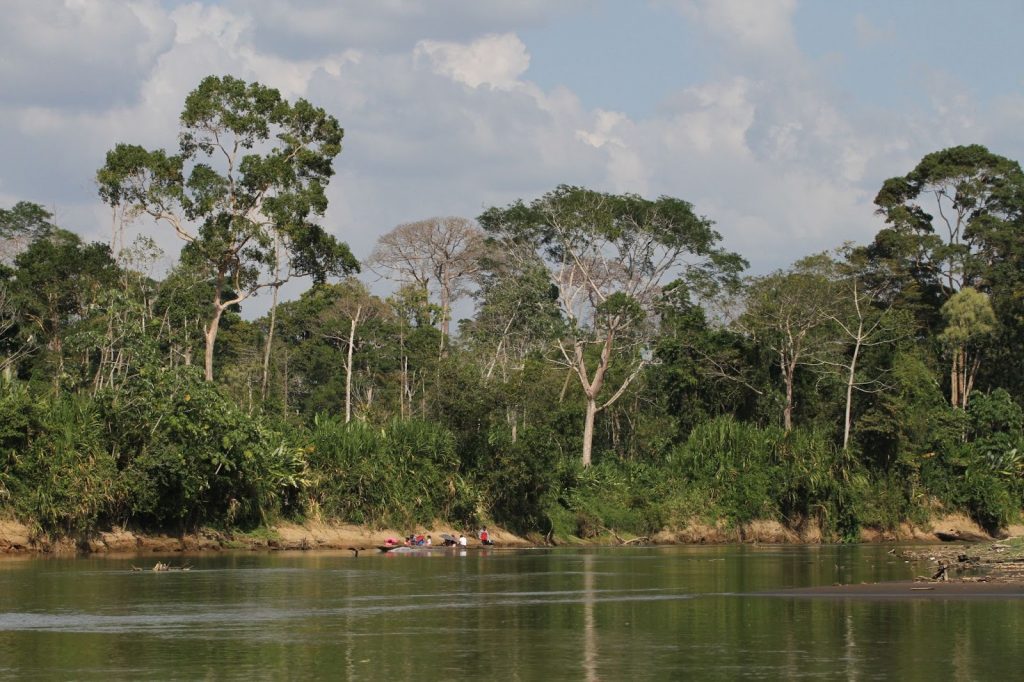
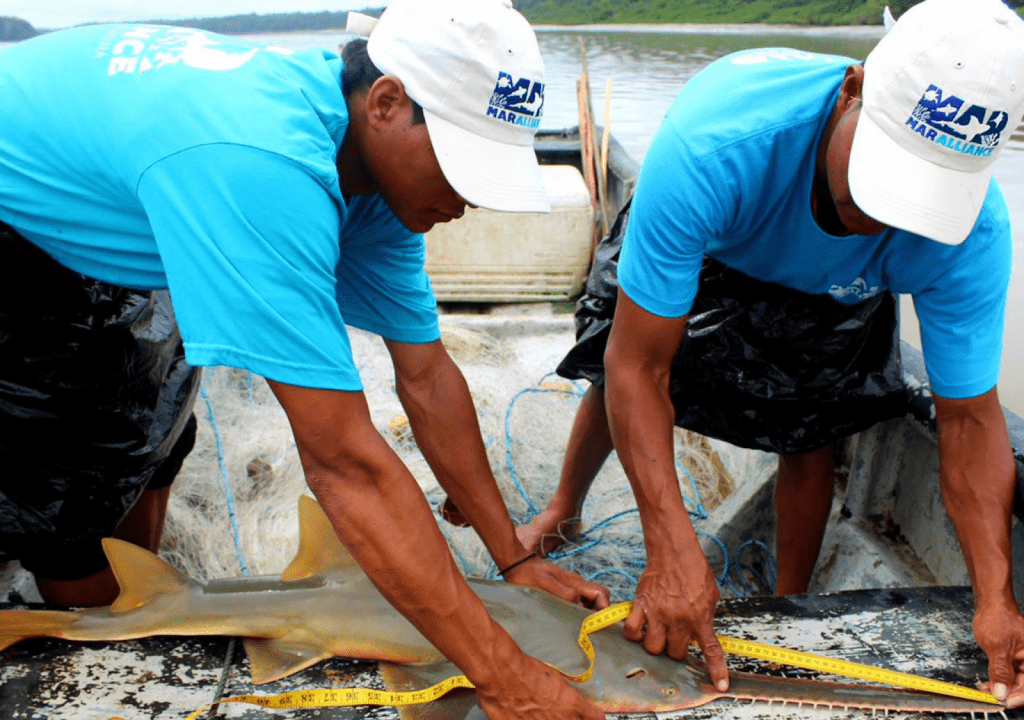
In addition to coastal ecosystems, we work with river systems that are integral to wetland landscapes. These initiatives support local fisheries and help conserve critically endangered species, such as the sawfish (Pristis spp.), one of the world’s most threatened elasmobranchs.
Communities and Traditional Knowledge
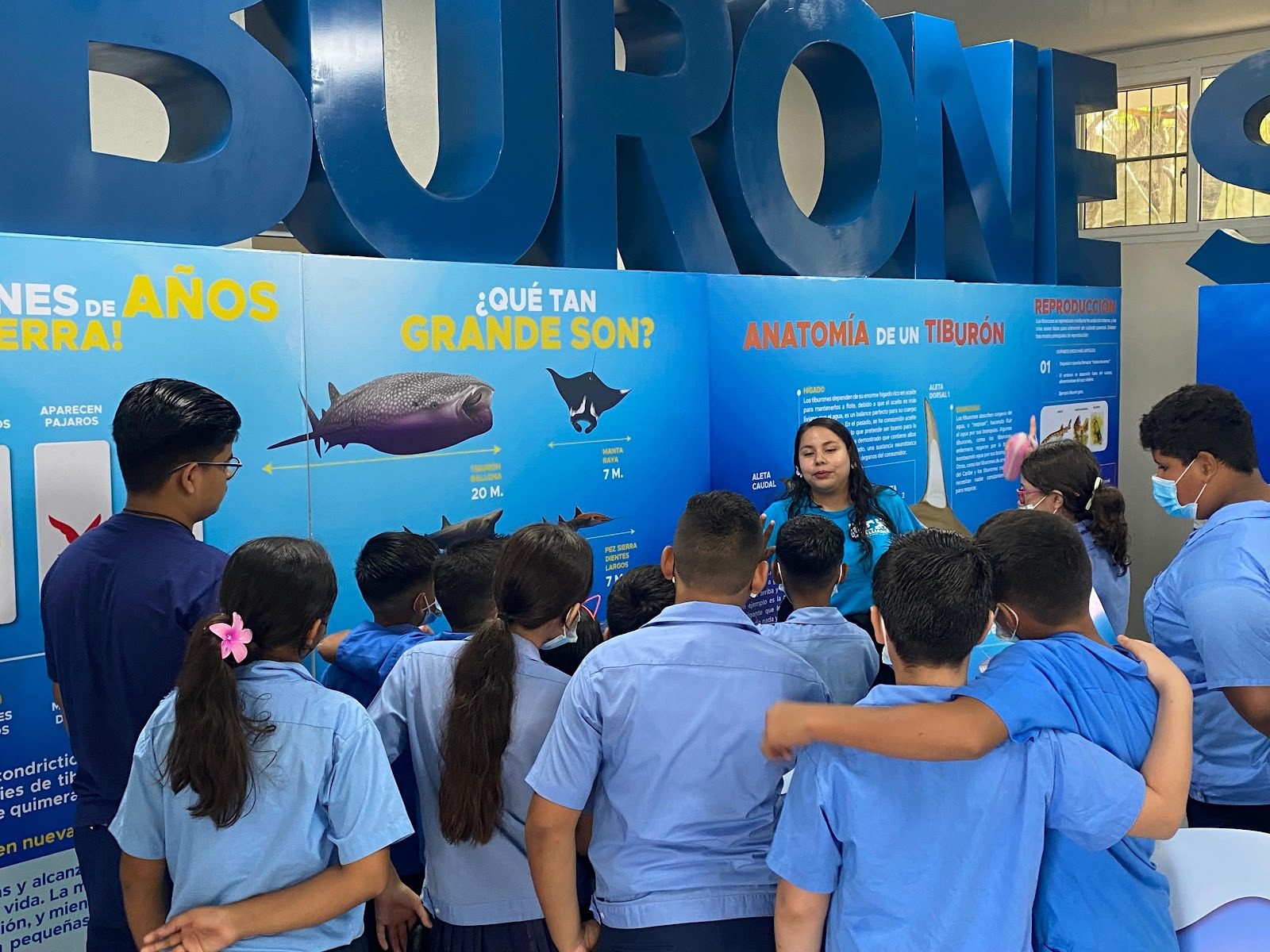
All of MarAlliance’s work is made possible through the active collaboration of coastal communities, whose knowledge and participation are crucial for effective wetland conservation. This approach aligns with the World Wetlands Day 2026 theme: “Wetlands and Traditional Knowledge: Celebrating Cultural Heritage”, highlighting that science and local wisdom are key allies in protecting both natural and cultural heritage.
Through science, collaboration, and community engagement, MarAlliance is advancing the mission of ocean and wetland conservation.