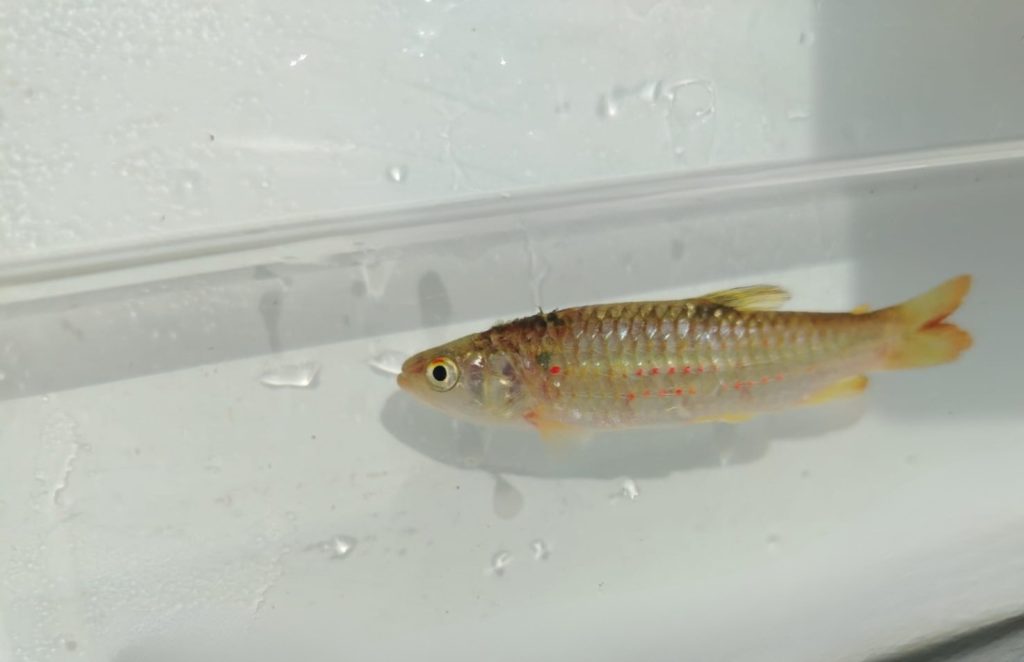
Scientists have documented the candela fish (Lebiasina boruca) in Panama for the first time, revealing a biogeographic connection between the freshwater ecosystems of Costa Rica and western Panama.
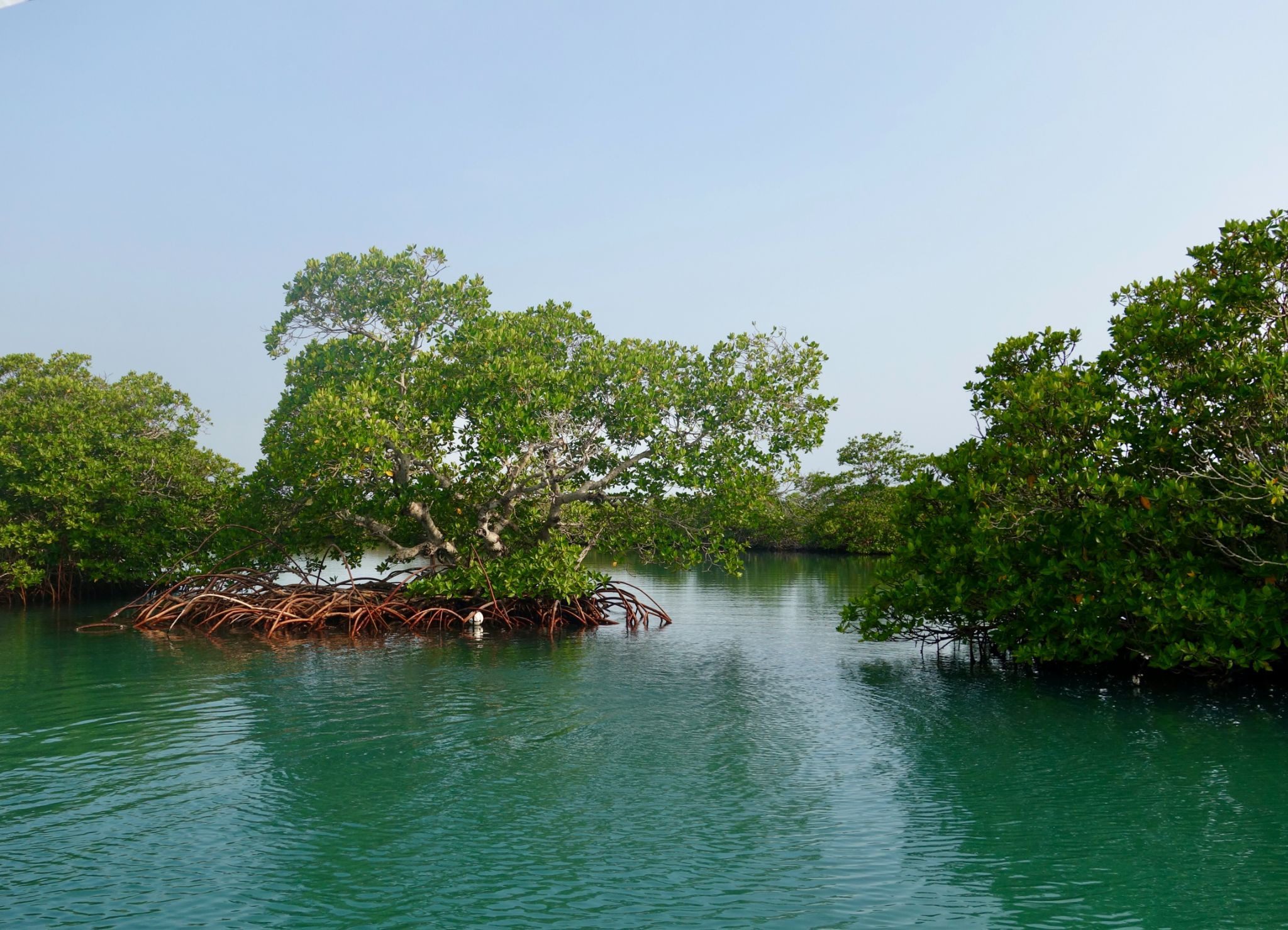
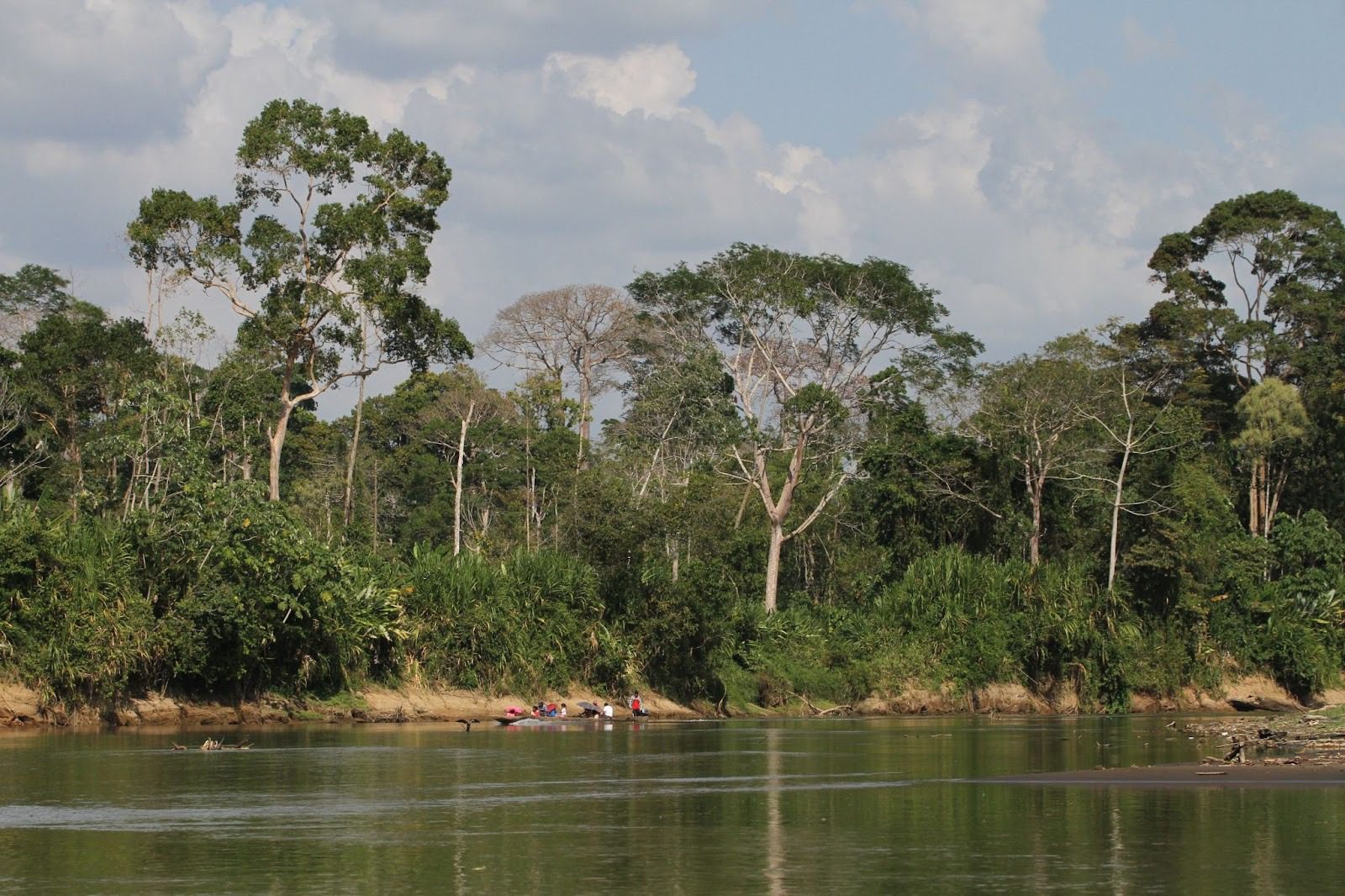
In small streams in the province of Chiriquí, where the water flows through leaf litter, sand, gravel, and riparian vegetation, a small fish is helping to expand our knowledge of Panama’s biodiversity.
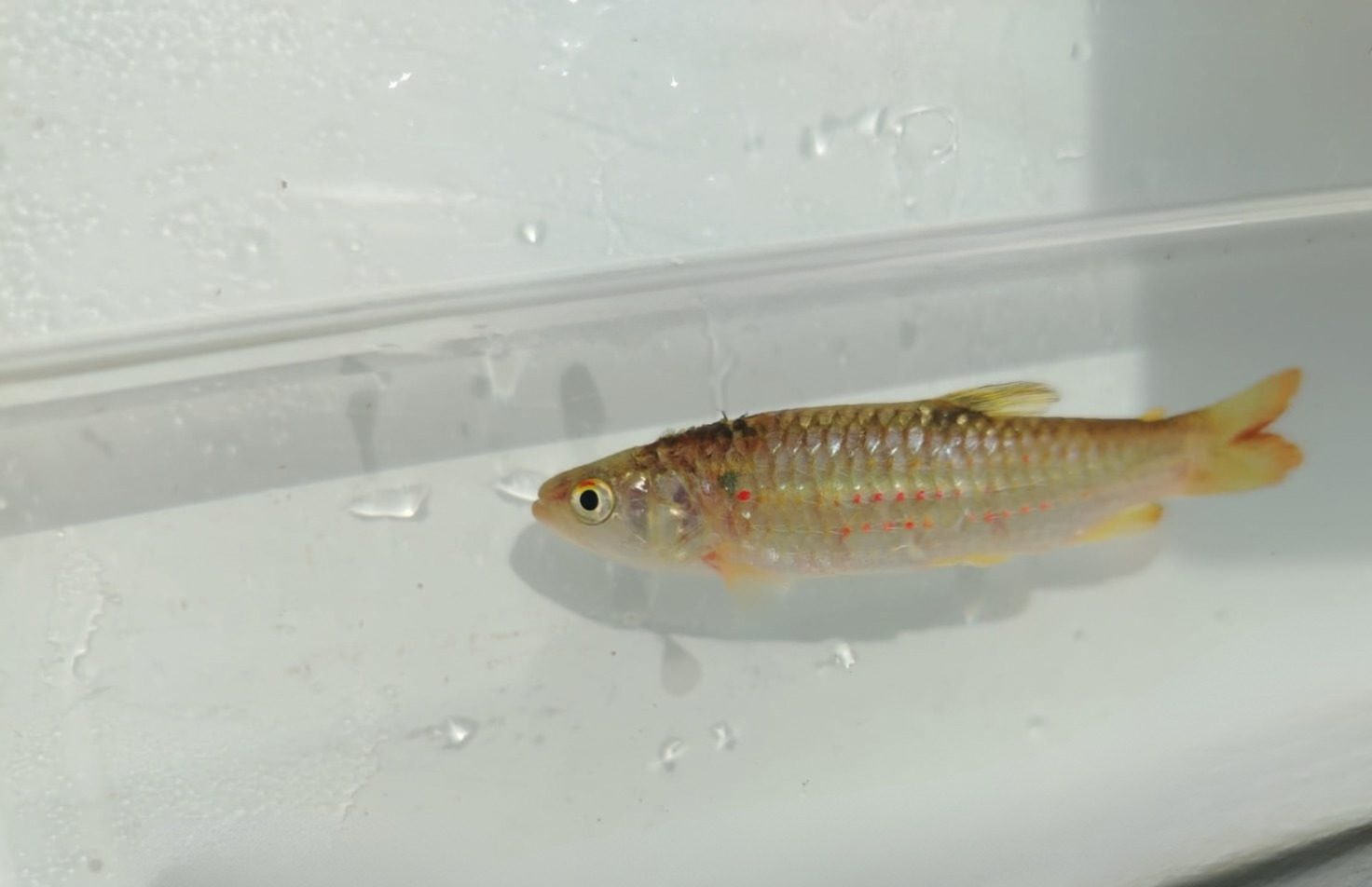
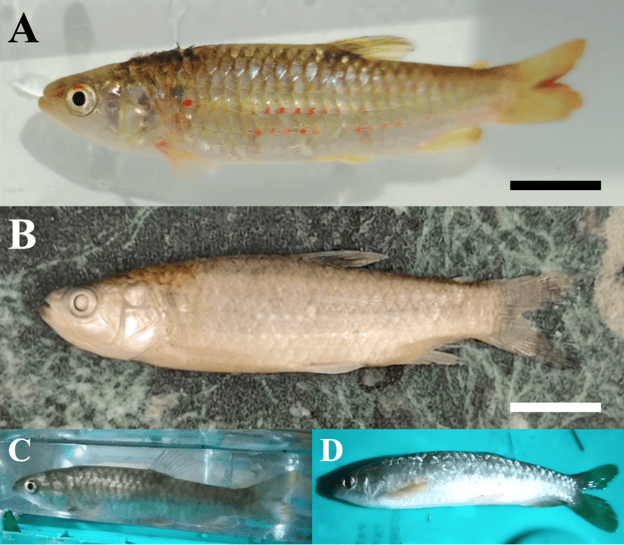
This is Lebiasina boruca, known as the candela fish, a freshwater species that until now had only been documented on the Pacific slope of Costa Rica. A new study published in the scientific journal Check List presents the first formal, peer-reviewed record of this species in Panama, based on observations and specimens found in the Escárrea and Chico river basins in Chiriquí.
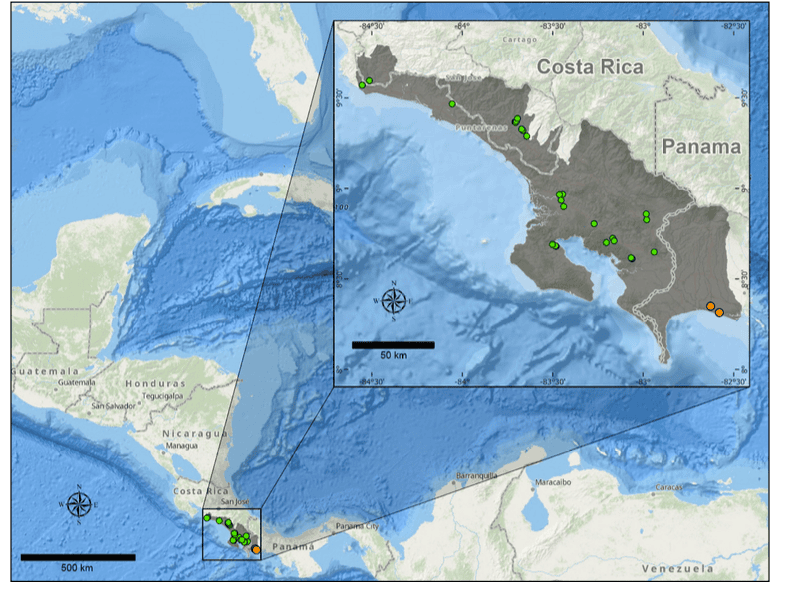
The discovery extends the known range of L. boruca by approximately 48–55 kilometers to the southeast, from its nearest confirmed records in the transboundary Coto River basin in southern Costa Rica. But its significance goes beyond simply adding a species to a list.
A Missing Piece of the Map
The history of Central America’s freshwater fish is closely linked to the evolution of the landscape. On the isthmus, mountains, geological changes, and other processes may separate river basins and, over thousands or millions of years, influence species distribution.
Western Panama and southern Costa Rica are part of the Chiriquí ichthyological province, characterized by high freshwater fish diversity and strong biological affinities between the two territories. Consequently, the absence of records of Lebiasina boruca in Panama had left a gap in our understanding of its distribution. This new record helps fill that gap.
Furthermore, L. boruca becomes the third species of the genus Lebiasina formally recorded in Panama, along with Lebiasina panamensis and Lebiasina festae.
The fish found in small streams
Discovering this species also reminds us that studying biodiversity requires looking beyond the major rivers.
The researchers observed and sampled small, low-elevation watercourses characterized by shallow waters, slow or moderate currents, accumulations of leaf litter, and riparian vegetation.
These are precisely the environments that can go unnoticed in traditional studies, which have historically focused on the main channels of river systems.
During fieldwork in 2021 and 2025, the researchers focused on shallow banks, slow-flowing areas, seasonal pools, and habitats with submerged vegetation and leaf litter, where species from this group are commonly found.
The presence of L. boruca in these environments demonstrates just how much small tributaries and streams can contribute to our understanding of a country’s biodiversity.
A Small Species, a Bigger Scientific Story
The candela fish can grow to just over five centimeters, based on specimens documented in this study. Its body is elongated and silvery, with a dark brown dorsal surface and striking reddish and orange hues on some fins and scales.
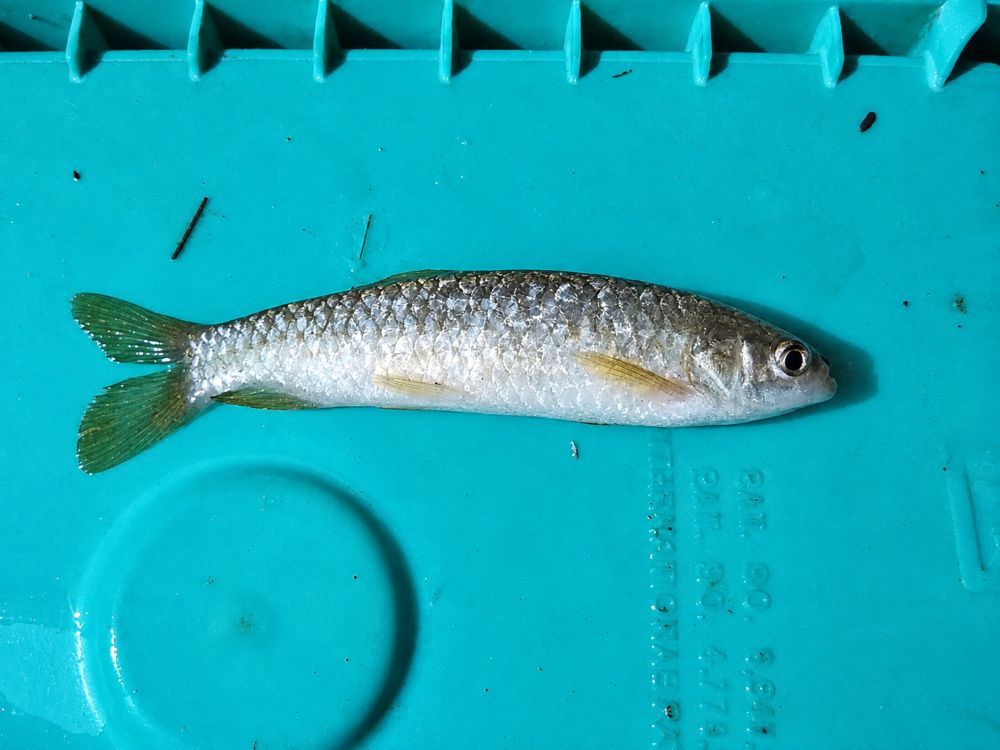
To confirm its identity, the researchers combined morphological characteristics, measurements, counts, and color patterns, and compared the Panamanian specimens with reference material from Costa Rica.
The researchers preserved one specimen collected in the Escárrea River basin as a scientific reference specimen (voucher) and deposited it in the fish collection of the “Luis Howell Rivero” Museum of Marine Biology and Limnology at the University of Panama, where it remains available for future research.
Thus, the discovery does not end with finding a fish: it becomes part of the country’s scientific record and can serve as a reference for future research.
Understand Before Protecting
The study also raises a fundamental question: How widespread is this species really in Panama?
For now, records are limited. Researchers note that it is not yet possible to determine whether L. boruca is widely distributed, whether its populations are naturally sparse, or whether it faces local threats. To answer these questions, further studies will be needed to determine its distribution, abundance, ecological requirements, and conservation status.
And there is another reason to continue researching.
The sites where the species was recorded are not located within legally protected areas and are surrounded by a landscape transformed by agricultural and livestock activities. The loss of riparian vegetation, the alteration of small watercourses, and runoff of fertilizers and other agrochemicals could affect these environments.
This does not mean that the species is currently threatened (the study does not allow us to establish that), but it does highlight the need to gather more information before we can fully understand its status.
Conservation Also Begins in the Rivers
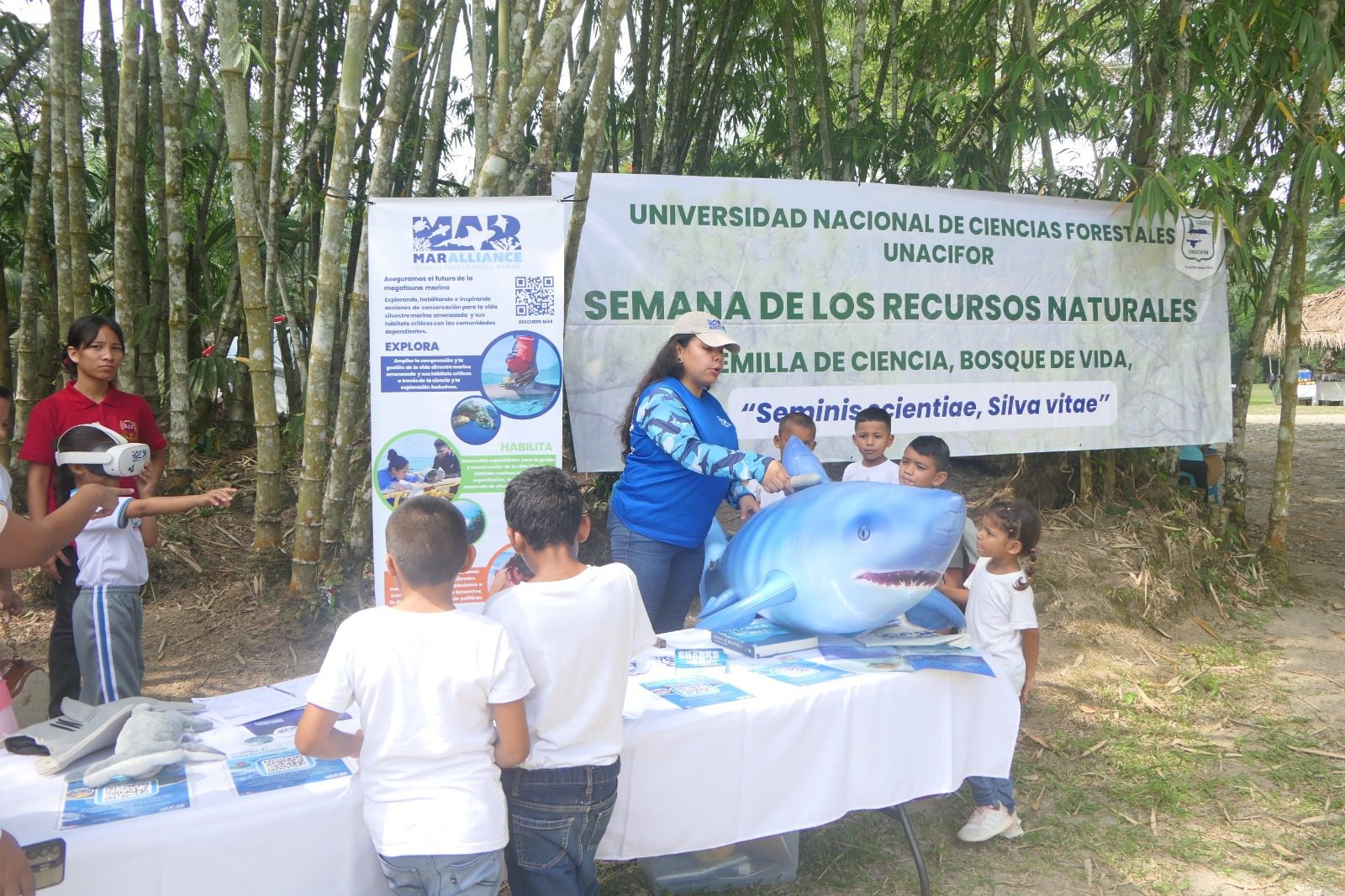
At MarAlliance, we believe that conservation begins with knowledge.
Every new record, every documented species, and every studied ecosystem helps build a more complete picture of the biodiversity we share and the relationships that connect our ecosystems.
Although MarAlliance focuses much of its work on marine megafauna, critical habitats, and coastal communities, understanding freshwater biodiversity is also part of a comprehensive conservation approach. Rivers, their riparian forests, and their small streams are part of interconnected landscapes that ultimately flow into the ocean.
In that sense, the study of Lebiasina boruca is much more than just a record of a small fish. It is an invitation to take a closer look.
Because places in Panama still hold stories that science is only beginning to uncover. And each of those stories can help us better understand what we have, where it is, and what we need to do to conserve it.
The Study
Fraiz-Toma, A.E. et al. (2026). First record of Lebiasina boruca (Bussing, 1967) (Characiformes, Lebiasinidae) from Panama: a range extension. Check List 22(5): 810–818. Published on September 14, 2026.
The study involved researchers from MarAlliance, the University of Costa Rica, the International Maritime University of Panama (UMIP), and the National Association for Nature Conservation (ANCÓN), with participation from researchers affiliated with the National Research System (SNI) and the Smithsonian Tropical Research Institute (STRI).
DOI: 10.15560/22.5.810.