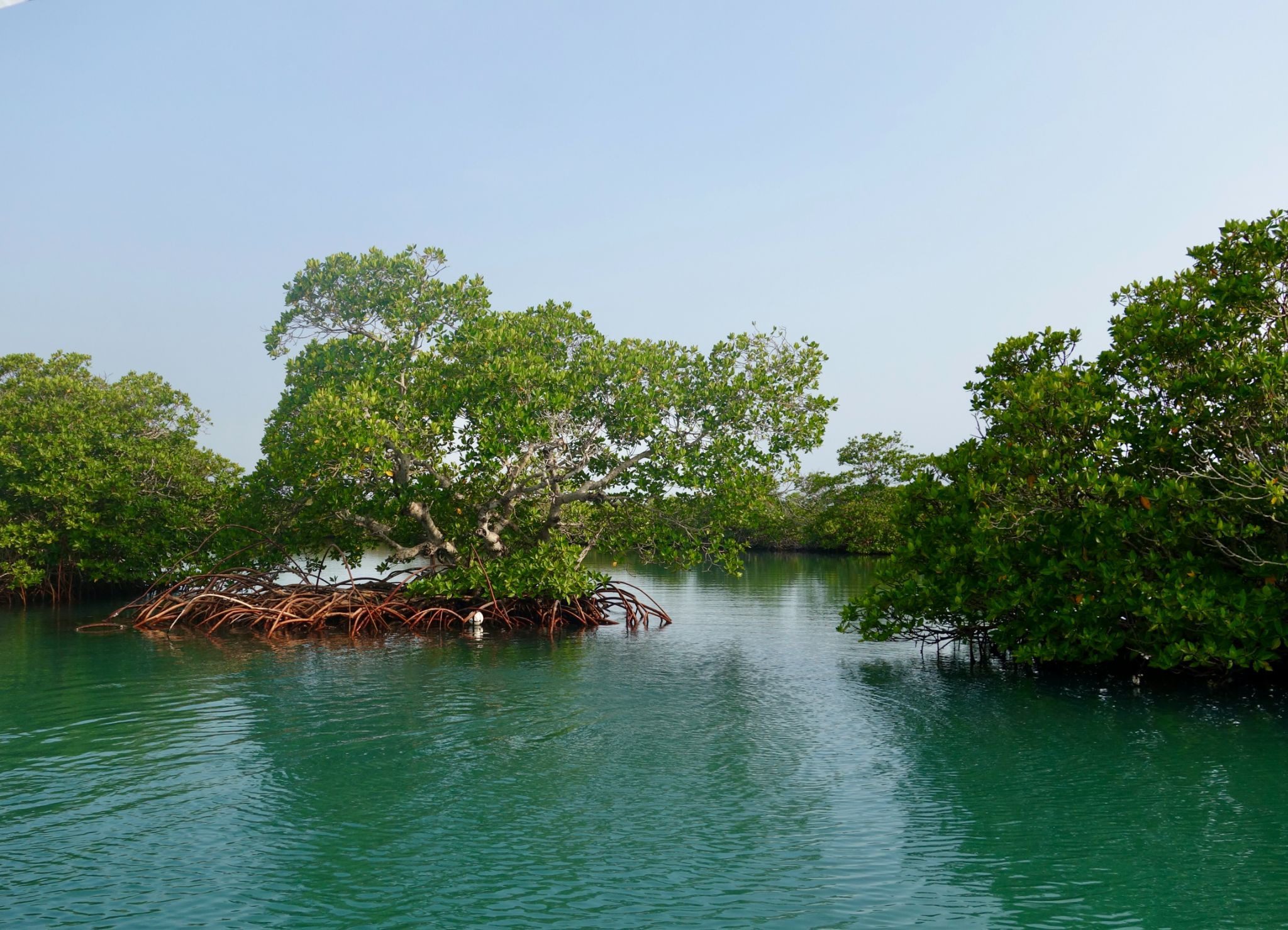
Along the world’s tropical coasts, mangroves support extraordinary biodiversity and, at the same time, entire coastal economies. Far from being mere trees adapted to saltwater, these ecosystems function as natural infrastructure, blue carbon sinks, and key nursery areas for marine species.
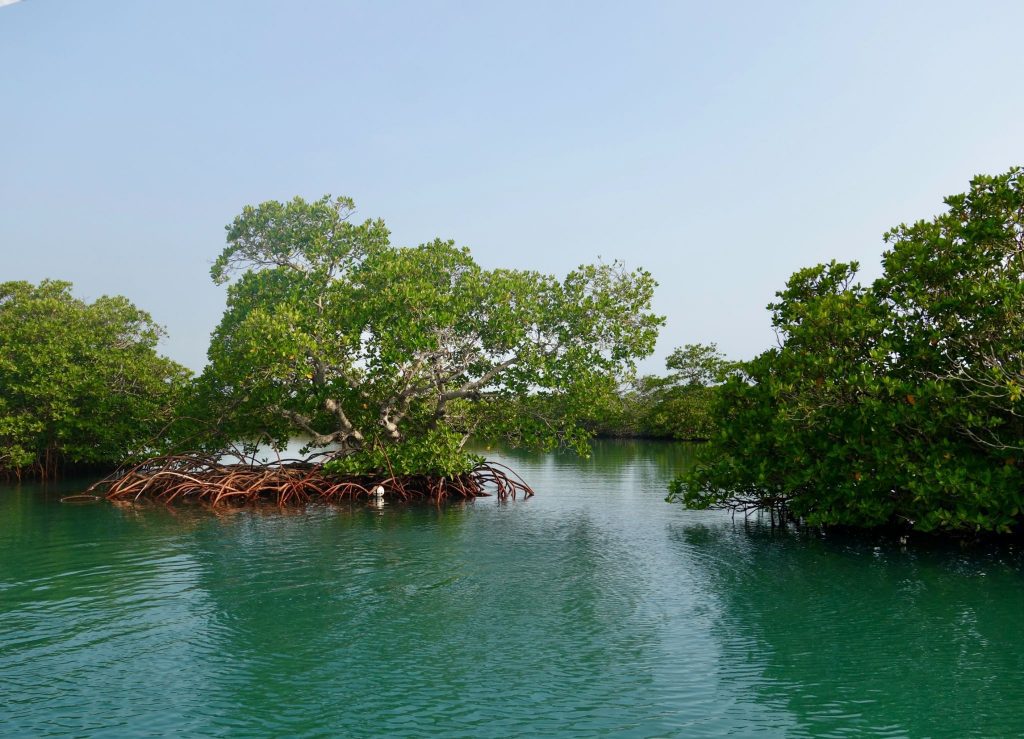
Despite this, their economic value continues to be underestimated in development planning. Scientific evidence shows that conserving mangroves is one of the most cost-effective nature-based solutions to climate change.
Coastal Protection: Living Barriers that Reduce Losses
Mangroves act as a natural defense against storms, erosion, and flooding. It was shown that the first 100 meters can reduce wave energy by up to 66% (Mazda et al., 2006).
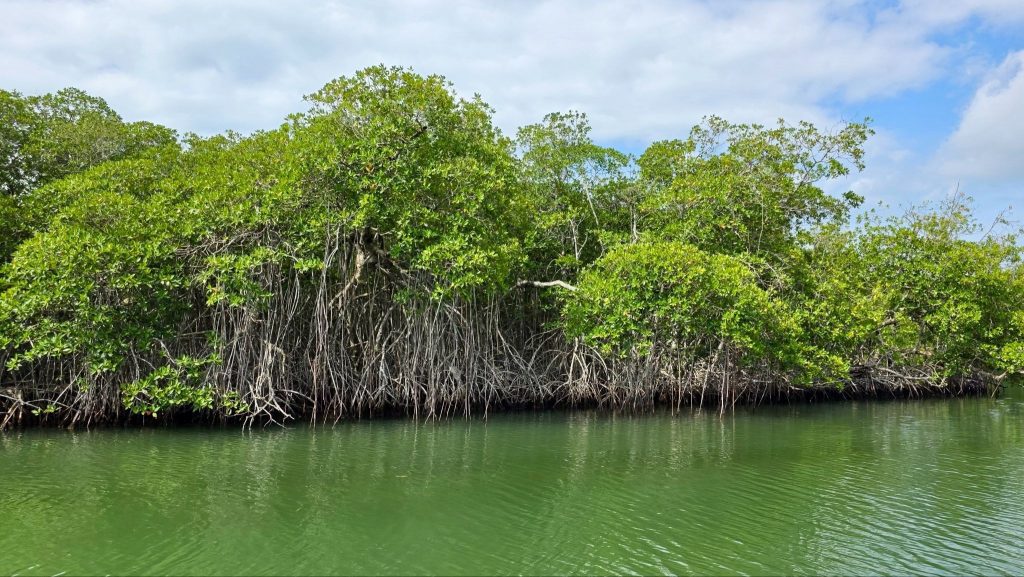
This translates into concrete economic benefits: one hectare can prevent up to USD $80,000 in storm-related losses (World Bank, 2016), reaching millions in extreme events such as hurricanes and typhoons.
Protecting mangroves means protecting lives, infrastructure, and public resources.
Fisheries and Food Security: The Invisible Foundation
Mangroves function as natural nurseries for commercially important species. It is estimated that up to 75% of tropical species depend on these ecosystems at some stage of their lives.
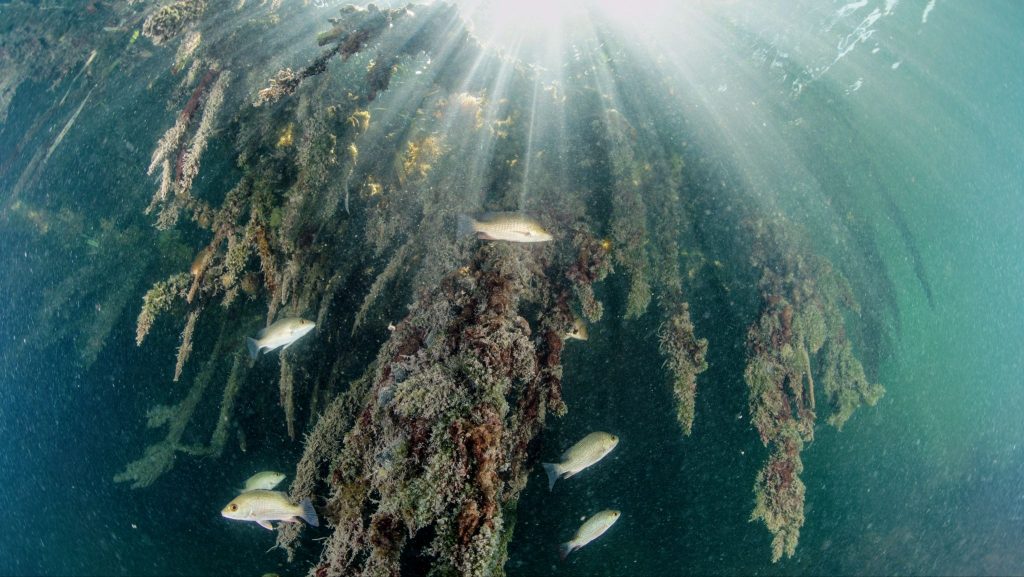
Rönnbäck (1999) estimated that mangrove-supported fisheries generated between USD 750 and USD 16,750 per hectare per year.
Research by MarAlliance confirms that the health of fisheries is directly linked to the integrity of mangroves.
Without mangroves, fish stocks, income, and food security decline.
Sustainable Tourism: Nature That Creates Opportunities
Mangroves are drivers of ecotourism, attracting visitors interested in biodiversity, water sports, birdwatching, and environmental education.
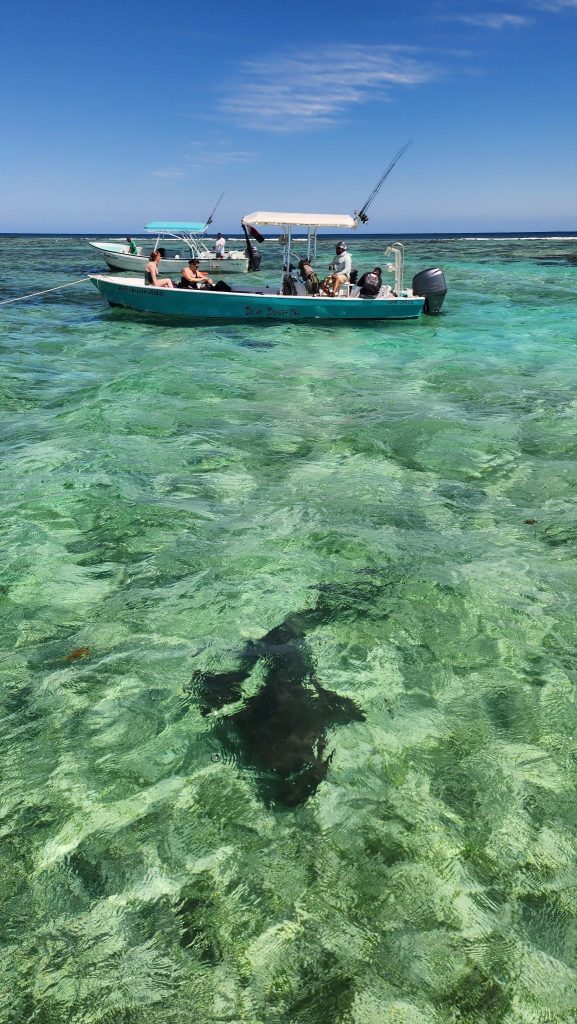
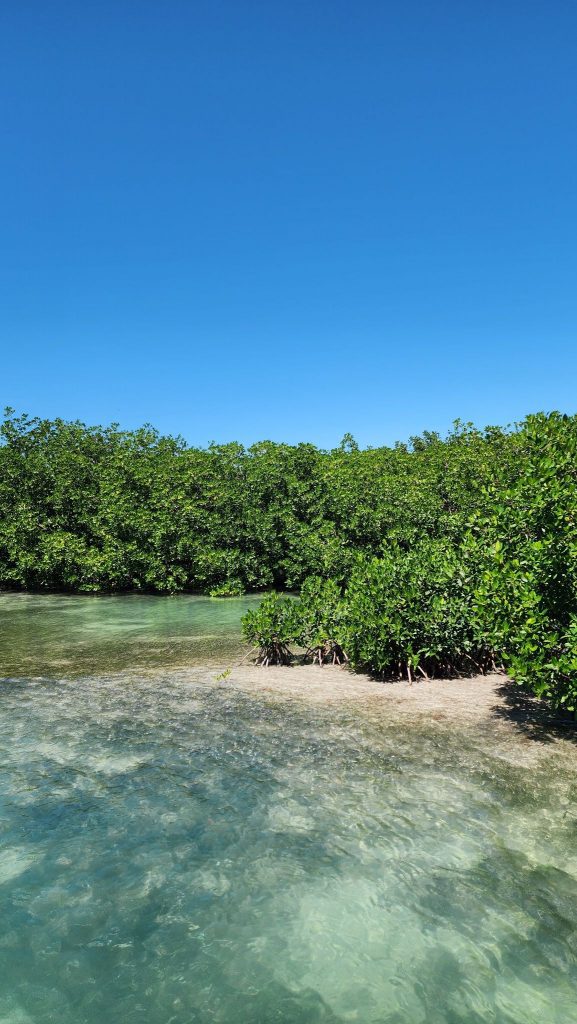
Their economic value was estimated at between USD $2,000 and $5,600 per hectare per year (Costanza et al., 1997; TEEB, 2010).
When properly managed, they generate local employment, economic diversification, and direct incentives for conservation.
Blue Carbon: Natural Assets Against Climate Change
Mangroves stand out for their ability to capture and store blue carbon, at rates of up to 1,000 metric tons per hectare (Donato et al., 2011).
This potential elevates them as key asset components of carbon markets, generating financial returns and accelerating global climate action.
Investing in mangroves means investing in climate mitigation and resilient economies.
A Strategic Investment in the Future
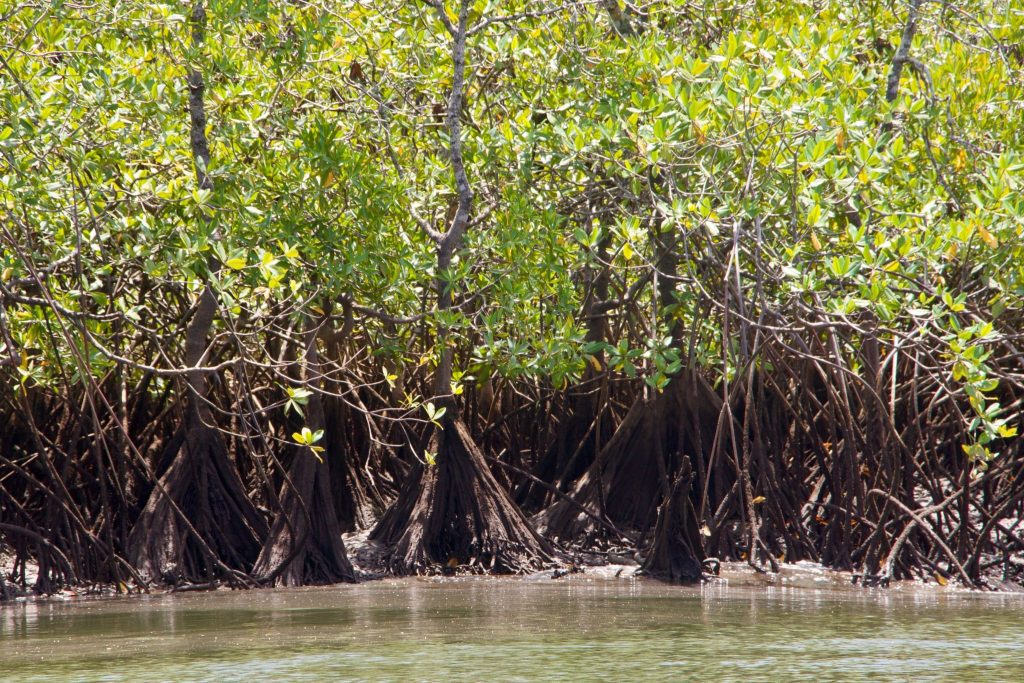
Every hectare of mangrove forest provides multiple benefits: coastal protection, fisheries, tourism, and a positive impact on the climate.
They are essential natural economic assets that must be integrated into public policies and sustainable development strategies.
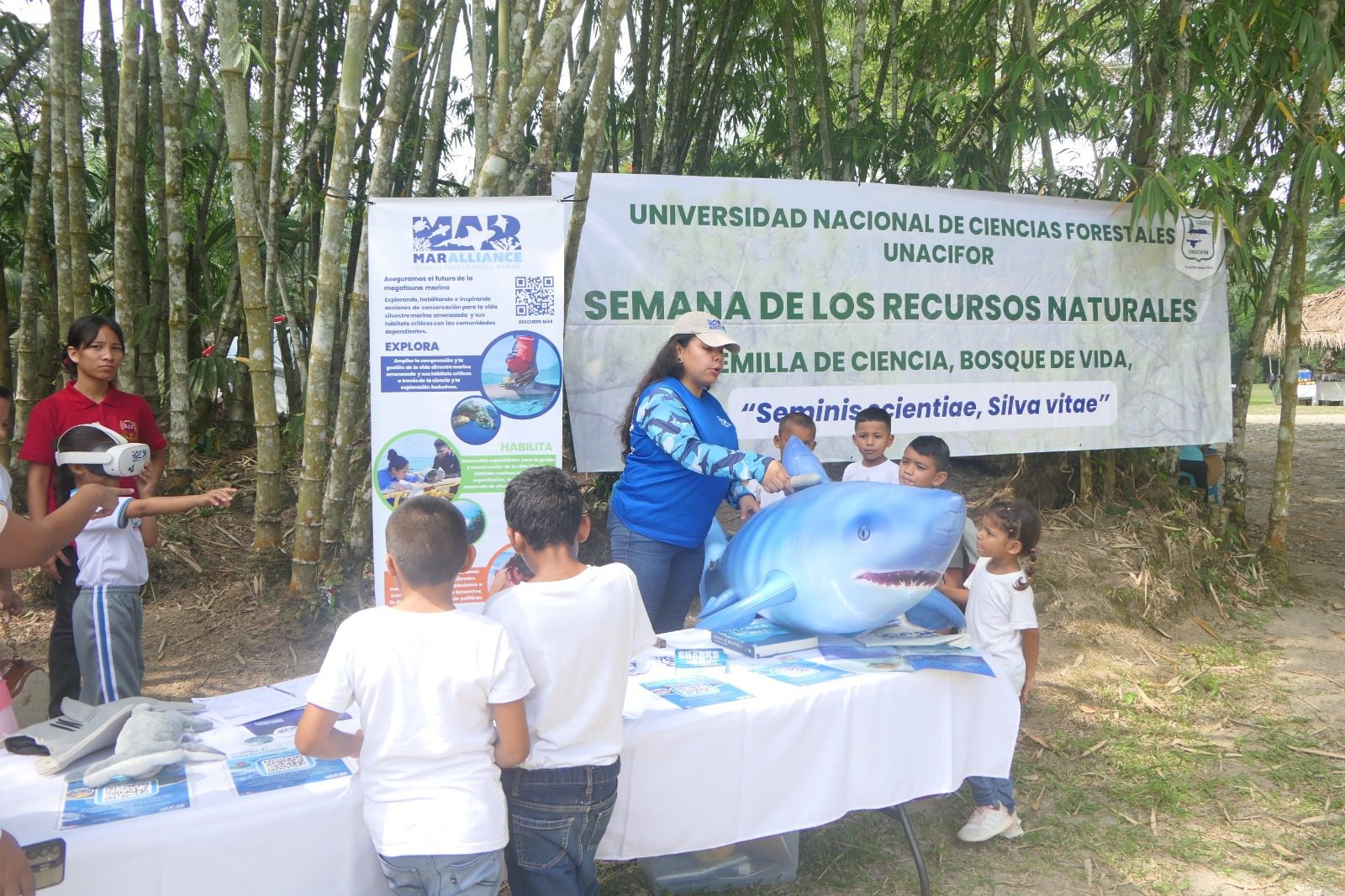
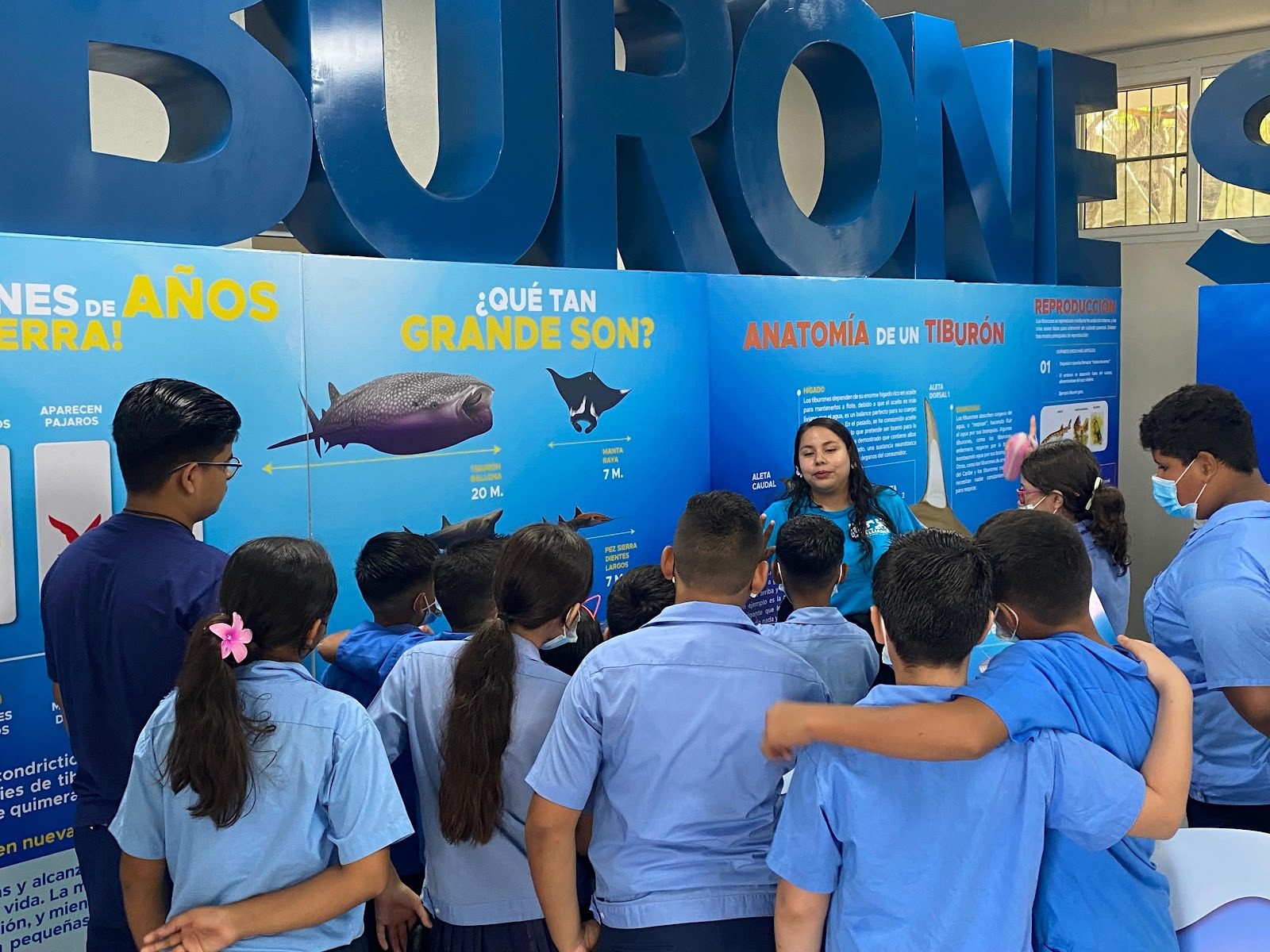
At MarAlliance, we work alongside communities and partners to research, conserve, and highlight the value of these ecosystems.
Conserving mangroves is not just an environmental action—it is a smart economic decision based on science.