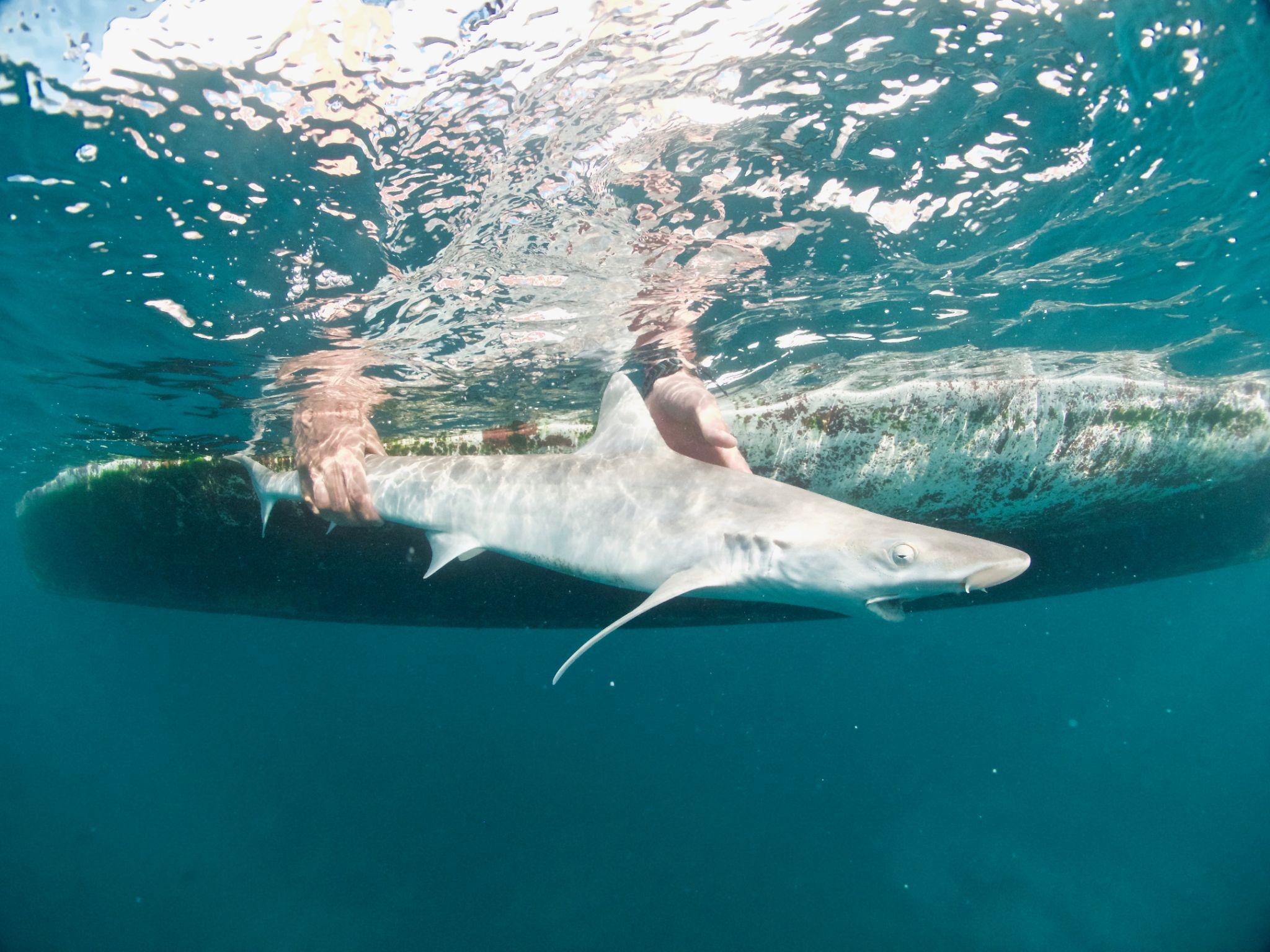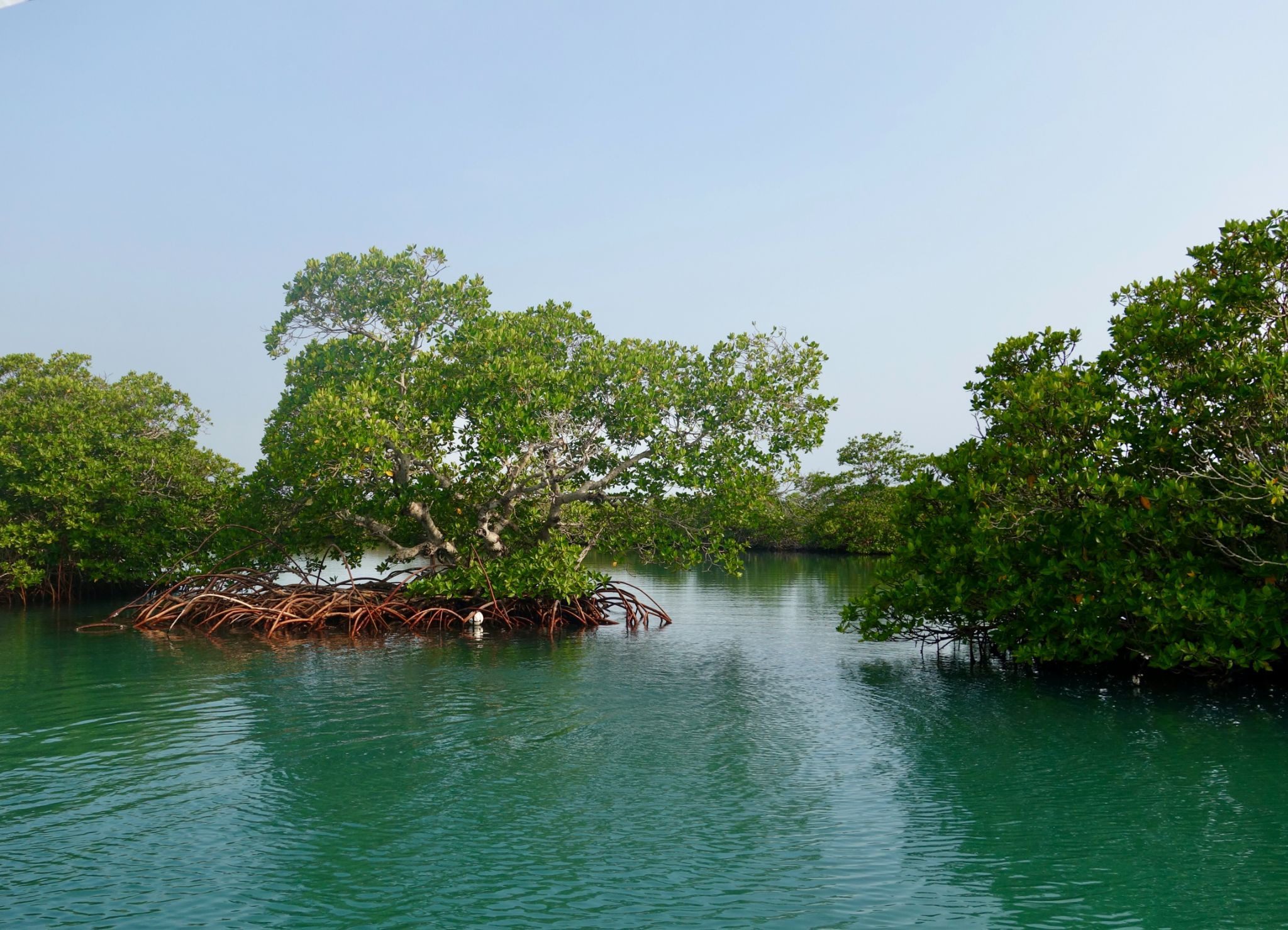
The shallow waters of Boa Vista’s Bay of Sal Rei, Cabo Verde have long been known to local fishers as a place where young sharks gather. For years, these observations hinted at something more, an important habitat hidden in plain sight. Now, new research led by MarAlliance scientists working in Cabo Verde and Panama confirms what many suspected: this bay is a critical multi-species shark nursery in the Eastern Central Atlantic.
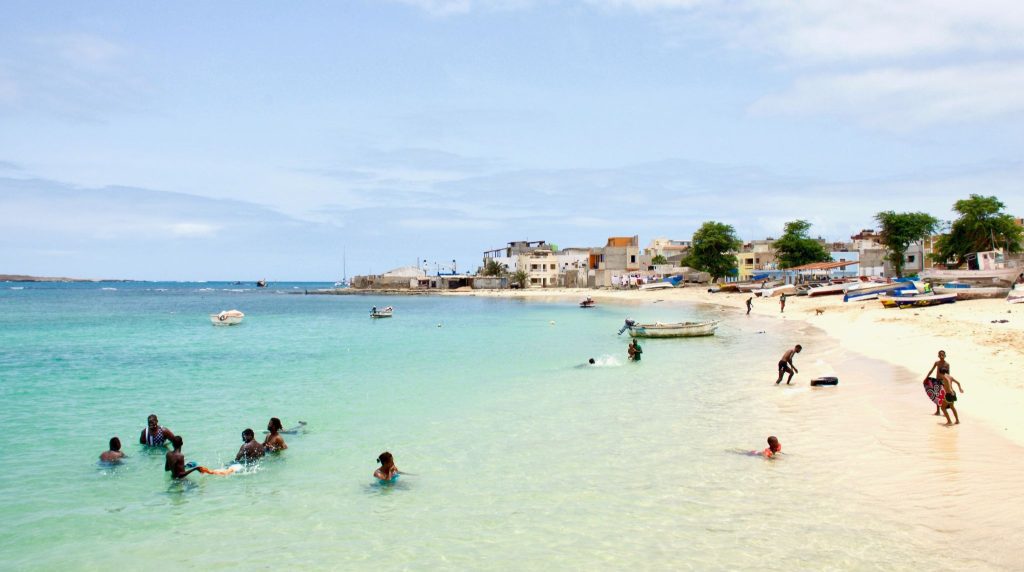
Uncovering a Nursery Beneath the Surface
Through a combination of Baited Remote Underwater Video (BRUV) surveys and scientific longline sampling, our team set out to understand how sharks use this coastal habitat.
Across the study, we:
- Recorded 132 sharks on underwater video
- Captured, measured, tagged, and released 198 individuals
- Identified at least six shark species utilizing the bay
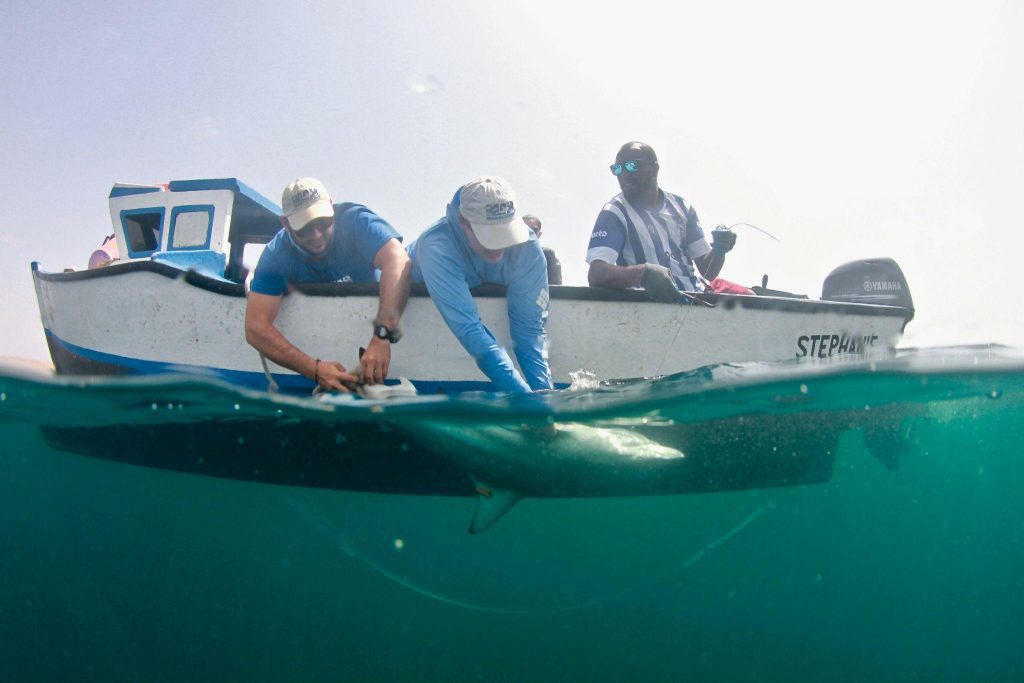
These results build on years of MarAlliance research across Cabo Verde, where we have worked to fill key knowledge gaps on shark diversity, abundance, and habitat use in this data-limited region.
A Nursery for Multiple Species
The data reveal the Bay of Sal Rei as a shared nursery habitat, supporting several shark species at different stages of their development.
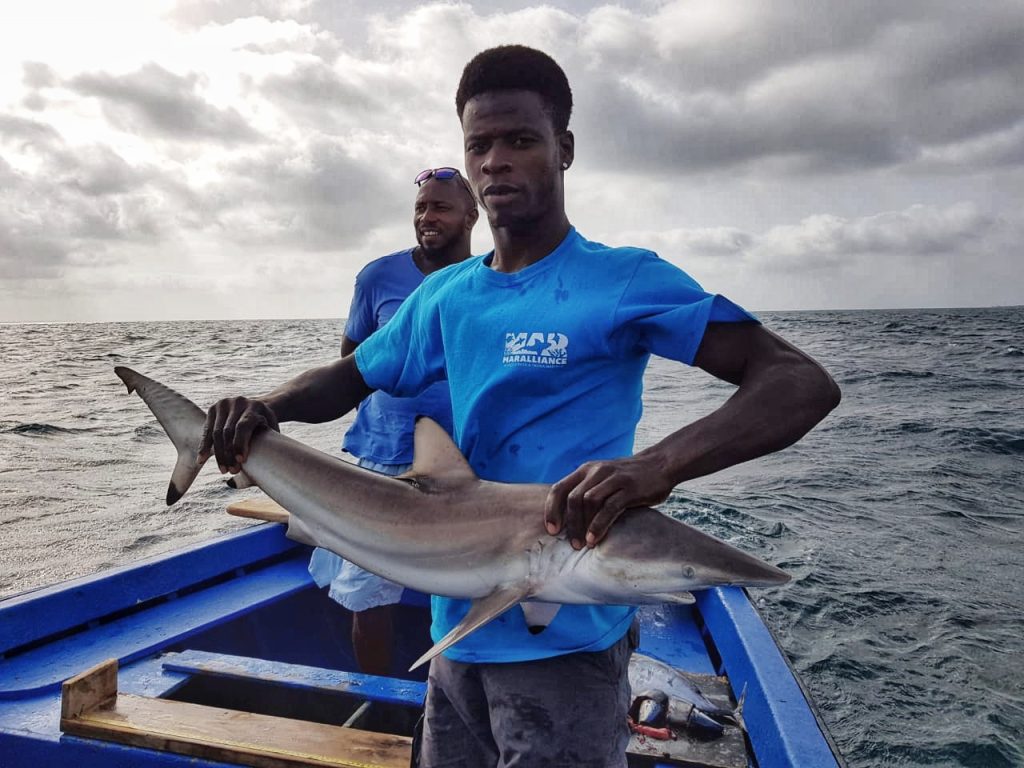
Milk sharks, blacktip sharks, scalloped hammerheads, and spinner sharks were observed at sizes consistent with individuals that are likely born and spend their earliest life stages within the bay. In addition, common smoothhounds and Atlantic weasel sharks were recorded using the area as a developmental habitat prior to reaching maturity.
Beyond documenting species presence, the study provides insight into how sharks use this space:
- Seasonal pulses of juveniles, indicating likely pupping periods
- Differences in habitat use between younger and older individuals
- Habitat partitioning, suggesting reduced overlap among species and life stages
Together, these patterns highlight the dynamic nature of this coastal system. Even within a relatively small area, sharks exhibit complex, structured behaviors—underscoring the Bay of Sal Rei’s significance as a vital habitat supporting an entire community of species, not just a single population.
A Nursery Under Pressure: Science Informed by Community Knowledge
Like many coastal ecosystems, the Bay of Sal Rei is experiencing increasing pressure. Artisanal fisheries and expanding fishing effort overlap directly with this important nursery habitat, while coastal development and broader environmental change continue to reshape nearshore ecosystems.
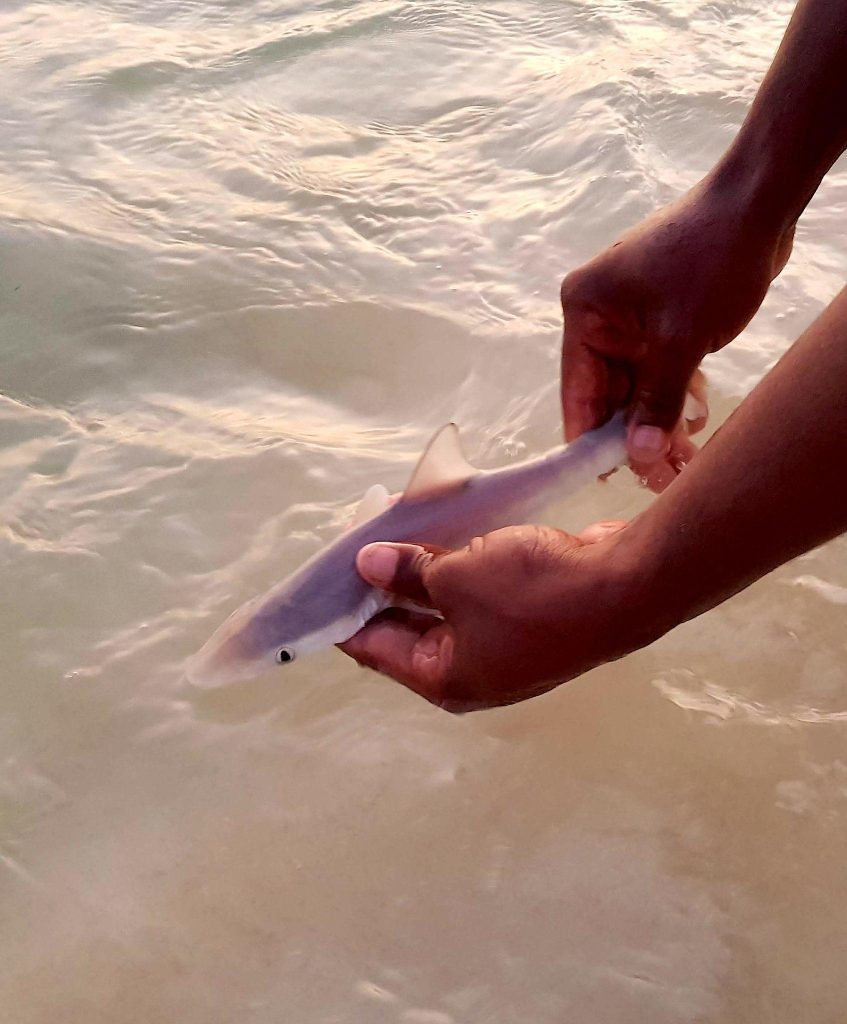
Across Cabo Verde and the wider Eastern Central Atlantic, shark populations are inherently vulnerable due to their slow growth, late maturity, and low reproductive rates. This makes the protection of nursery habitats particularly urgent for long-term population sustainability.
At the heart of this research is collaboration. The study was developed alongside local fishers and community members, whose knowledge of the bay was essential in guiding and strengthening the work. This approach reflects MarAlliance’s broader way of working, integrating local ecological knowledge with scientific research to produce data that is both robust and directly relevant, supporting practical, on-the-ground conservation action.
From Discovery to Action: A Growing Understanding of Cabo Verde’s Sharks
Identifying the Bay of Sal Rei as a multi-species shark nursery provides a clear and actionable pathway for conservation planning.
Effective management measures could include:
- Protection of key nursery areas within the bay
- Alignment of conservation actions with seasonal patterns of shark presence and movement
- Continued support for community-led stewardship and sustainable resource use
These findings reinforce a broader message: protecting critical habitats such as nurseries is one of the most effective strategies for supporting shark populations and the ecosystems they help sustain.
This study also adds to a growing body of MarAlliance research demonstrating that Cabo Verde represents a globally significant habitat for sharks across multiple life stages—from juveniles using nearshore nursery areas to highly mobile adults moving across the Atlantic. Together, these efforts continue to build the scientific foundation needed to inform conservation planning at both local and ocean-basin scales.
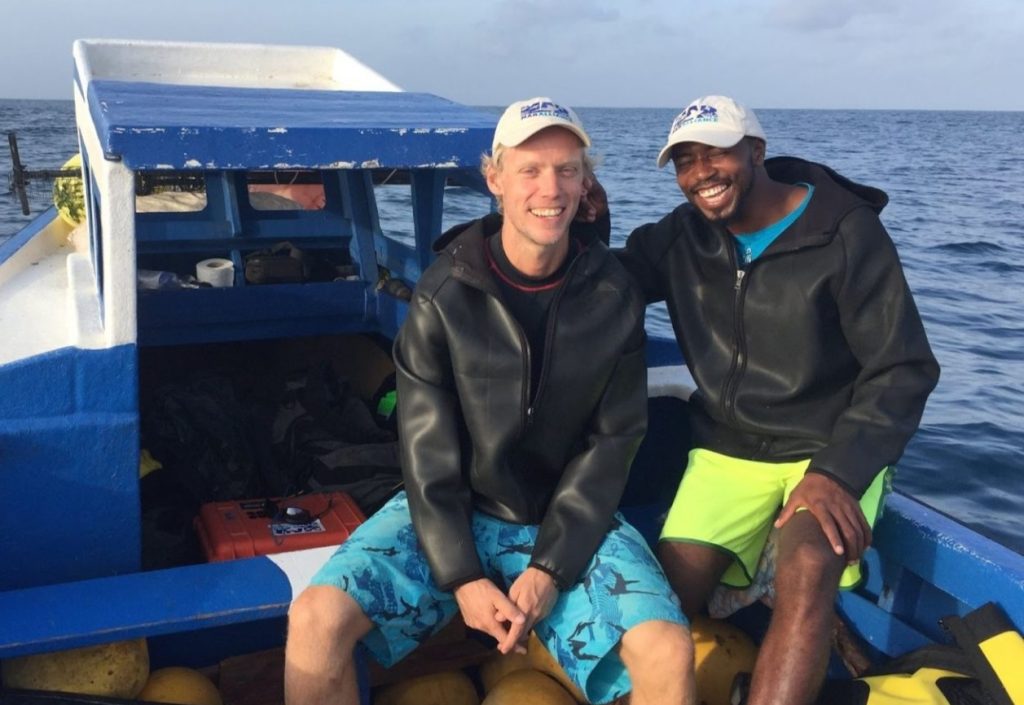
This paper is dedicated to the memory of our late colleagues, Zeddy Seymour and Ze Luis Monteiro, who led our shark research in Cabo Verde. Their legacy endures through the data they gathered, the fishers they trained, the students they inspired, and the conservation initiatives they established—helping ensure that tiger sharks continue to thrive for generations to come.
This research was made possible through the generous support of the Peterson-Mitchell Foundation, The Norvig Family, The Ocean Foundation, and the Wildlife Conservation Network. We are grateful to the Direção Nacional do Ambiente and the Ministério de Agricultura e Ambiente for permitting our work in Cabo Verde.
All fieldwork was conducted under research permits following ethical guidelines for animal research.
Read and download the full research paper here